Egyptian pharmaceutical company participates in a session on building markets for medical supplies in Africa
On the sidelines of the African Medical Conference...
Ahmed Salem
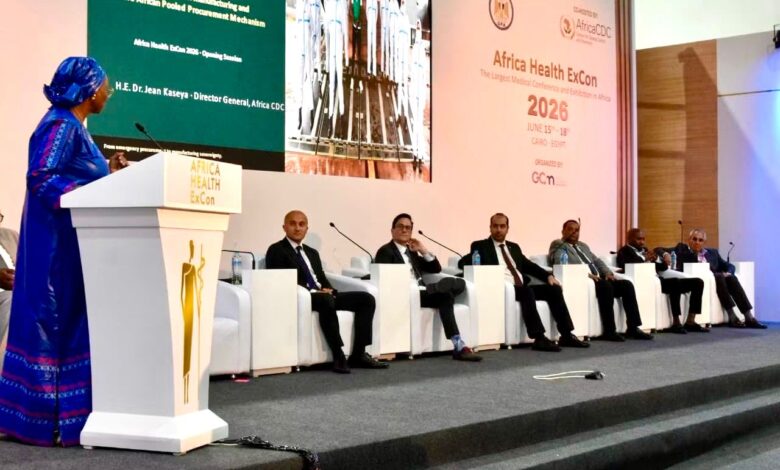
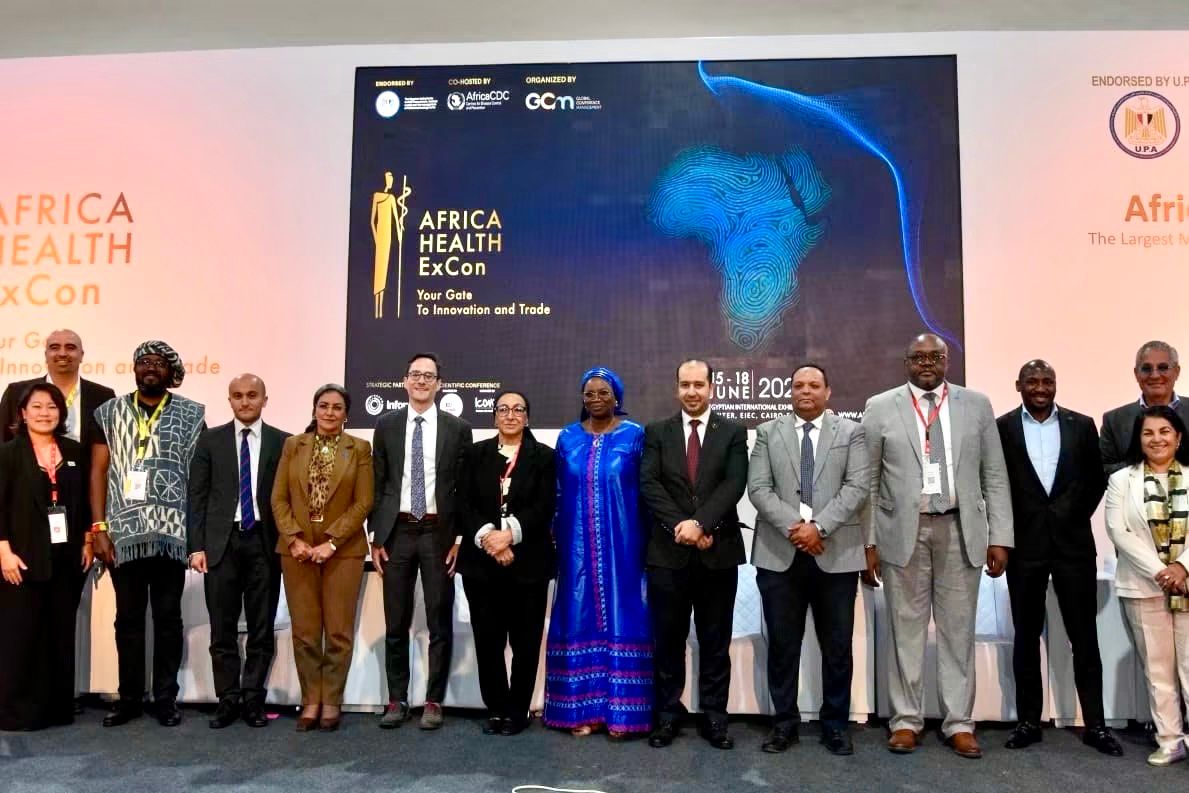
Dr. Youssef Ragai, Assistant Head of the Egyptian Drug Authority, participated in a high-level panel discussion on ways to build sustainable African markets for priority medical products, diagnostic tools and health supplies, with the participation of a select group of officials, international experts and representatives of health and regulatory institutions in the African continent.
The session came as a continuation of discussions related to innovation, manufacturing and regulatory framework, to highlight the importance of creating a stable and predictable environment as one of the essential pillars to ensure the sustainability of pharmaceutical and medical manufacturing in the African continent.
The session discussed a number of strategic themes, including pooled purchasing, consolidating pharmaceutical needs across different platforms, unifying procurement, sustainable financing mechanisms, long-term purchase agreements, and regional market coordination, which contributes to enhancing African manufacturing capacity and ensuring access to medical and diagnostic supplies.
Disease control and prevention initiatives
The session also reviewed a number of important continental initiatives led by the Africa Centres for Disease Control and Prevention (Africa CDC) in collaboration with the African Medicines Agency (AMA).
Foremost among these are the African Consolidated Procurement Mechanism (APPM) and the African Diagnostics and Preparedness Market Initiative, which aim to harmonize procurement and forecasting policies, financing mechanisms and manufacturing incentives, in order to support the building of a more sustainable and resilient African health system.
During his participation, Dr. Yassine Ragai stressed that the sustainability of pharmaceutical and medical manufacturing does not depend solely on production capacities, but is based primarily on the existence of stable markets and strategic purchasing mechanisms capable of creating predictable and sustainable demand.
He pointed out that the existence of unified pharmaceutical systems based on global standards has become a strategic tool for shaping needs in pharmaceutical markets, reducing investment risks, and promoting local and regional manufacturing.
He added that strengthening regional coordination among African countries, and adopting collective procurement models and multi-year planning, represent a fundamental pillar for achieving African health security, and supporting the continent’s goals towards self-sufficiency and enhancing health sovereignty.
He stressed the importance of concerted efforts between governments, regulatory institutions and international partners to ensure the success of continental mechanisms and to translate them into tangible results that serve the African citizen.
The Egyptian Drug Authority’s participation comes within the framework of its leading role in supporting health integration efforts in the African continent, and enhancing cooperation with continental and international institutions, which contributes to building a sustainable African health system based on quality, innovation and integration, and enhances the ability of African countries to face future health challenges and achieve pharmaceutical and health security for their people.