Guinea launches $95 million health program to improve medical care
A massive investment is reshaping the future of healthcare in Guinea.
Written by: Badr Ahmed
In the capital, Conakry, the Guinean government launched an ambitious $95 million national program to develop the health sector, in a move aimed at improving the quality of health care and expanding the scope of medical services throughout the country, within the framework of the national development vision, SIMANDO 2040. .
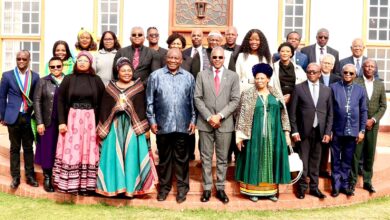
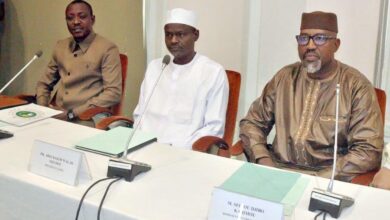
The program was officially announced on Wednesday, June 24, 2026, in the presence of members of the government, development partners, representatives of international financial institutions, and officials from the United Nations system, with authorities confirming that the project represents one of the largest investments allocated to modernizing the health system in Guinea in recent years.
Guinea launches $95 million program to develop the health sector
The program has a total funding of $95 million, including an $85 million loan from the World Bank through the International Development Association (IDA) and a $10 million grant from the Global Financing Facility (GFF). The program is planned to run for five years, until 2029, and will cover all seven administrative regions of the country, with priority given to the most disadvantaged areas: Kankan, Kindia, Labey, and Varana.
During the launch ceremony, the Minister of Health and Public Hygiene, Dr. Khiti Sall, stressed that the true objective of the funding is not measured by numbers, but by saving lives and improving the lives of citizens, noting that behind every investment is a human story.
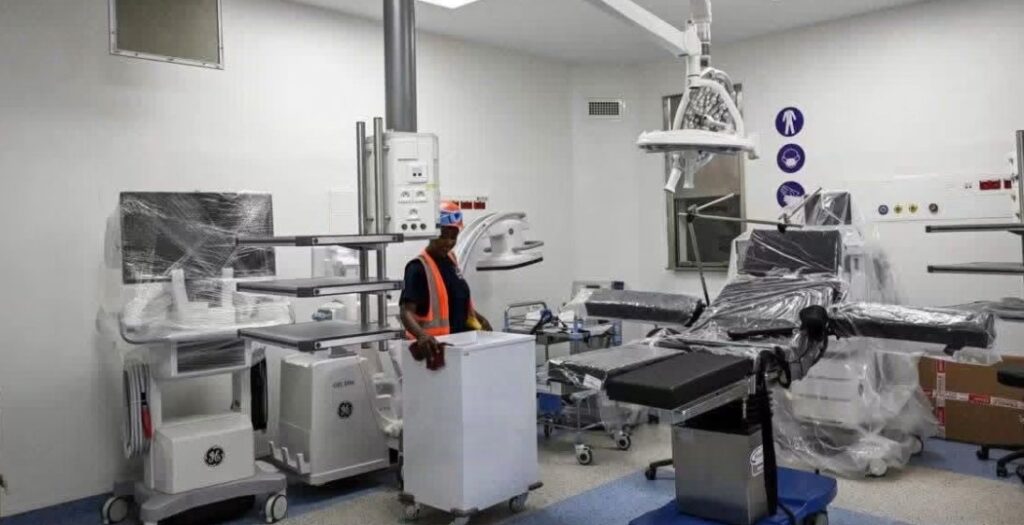
The minister said: Before we talk about millions of dollars, we must think about the young mother who hesitates to go to the health center, because in those moments the fate of her life and the life of her newborn may be determined.
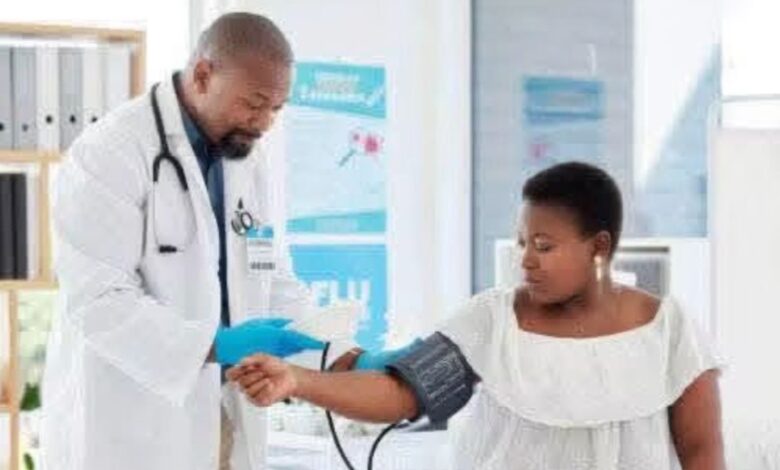
The program aims to improve the country’s key health indicators by increasing the percentage of births attended by qualified medical personnel, promoting vaccination campaigns, improving child nutrition, expanding prenatal and antenatal care services, developing digital health and telemedicine services, and using modern technologies to monitor high-risk pregnancies.
The Minister of Health explained that about 12 million Guinean citizens will directly benefit from the program, which also includes plans to strengthen the health system’s ability to cope with epidemics, climate disasters and various health crises, as well as the gradual expansion of the provision of free health care services to the most vulnerable groups.
The minister stressed that the government seeks to make access to high-quality health services a guaranteed right for all citizens, and not a privilege limited to certain categories or regions, stressing that a citizen’s place of residence should not be an obstacle to his access to health care.
The new program reflects the Guinean government’s orientation towards building a more modern, efficient and equitable health system, capable of meeting the needs of the population and improving public health indicators, thereby supporting the Sustainable Development Goals and enhancing the quality of life throughout the country.