John Garang de Mabior: Architect of the New Sudan and Leader of the Historic Transformation
Building a state based on justice and equality
Written byAmnia Hassan
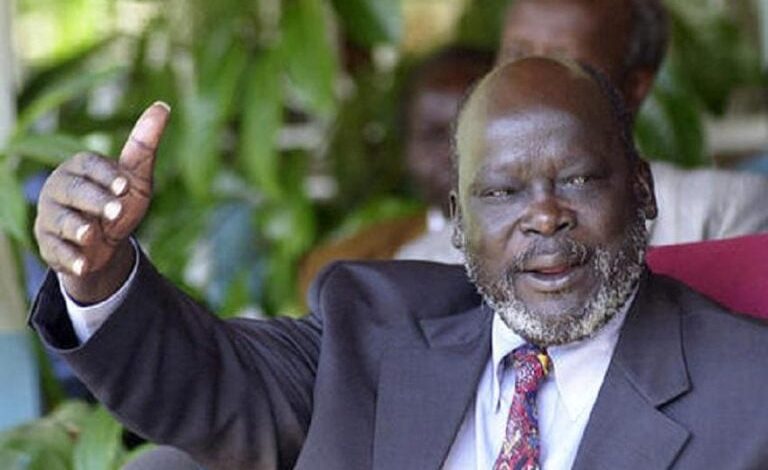
John Garang de Mabior is considered one of the most prominent political and military figures in history. Sudan The talk, as his name was associated with the Sudan People’s Liberation Movement and the “New Sudan” project, which called for building a state based on justice, equality and cultural pluralism, and Garang left a deep influence on the Sudanese and African political scene, despite his sudden departure in 2005.
Origins and Education
John Garang was born on June 23, 1945 in the Bor region of South SudanHe belongs to the Dinka tribe, one of the largest tribes in the south. He received his primary education in Tanzania, before moving to the United States where he studied economics at Grinnell College in Iowa, and then obtained graduate studies in agricultural economics.
From the Sudanese army to the leadership of the rebellion
Garang began his military career in the Sudanese army, but the major turning point came in 1983 when he was sent to quell a southern rebellion. He chose to join the rebels rather than fight them, later founding the Sudan People’s Liberation Movement and the Sudan People’s Liberation Army and leading a civil war that lasted more than two decades against the central government in Khartoum, demanding the restructuring of the Sudanese state.
The “New Sudan” project”
John Garang was distinguished by a political vision that differed from traditional secessionist calls, as he proposed the concept of “New Sudan” based on citizenship and equality among all nationalities and religions.
His supporters considered him a symbol of national unity and social justice, while his opponents saw him as a controversial military leader due to the long years of civil war.
Peace agreement and mysterious departure
In January 2005, Garang signed the Comprehensive Peace Agreement with the Sudanese government, after which he assumed the position of First Vice President and President of the Government of Southern Sudan. However, his political career ended quickly after his death in a helicopter crash on July 30, 2005, an incident that sparked widespread controversy both inside and outside Sudan.
A continuing political legacy
John Garang’s name remains strongly present in Sudanese and South Sudanese political discussions, as he is considered one of the most prominent leaders who reshaped the concept of identity and the state in modern Sudan.
Regional and international impact
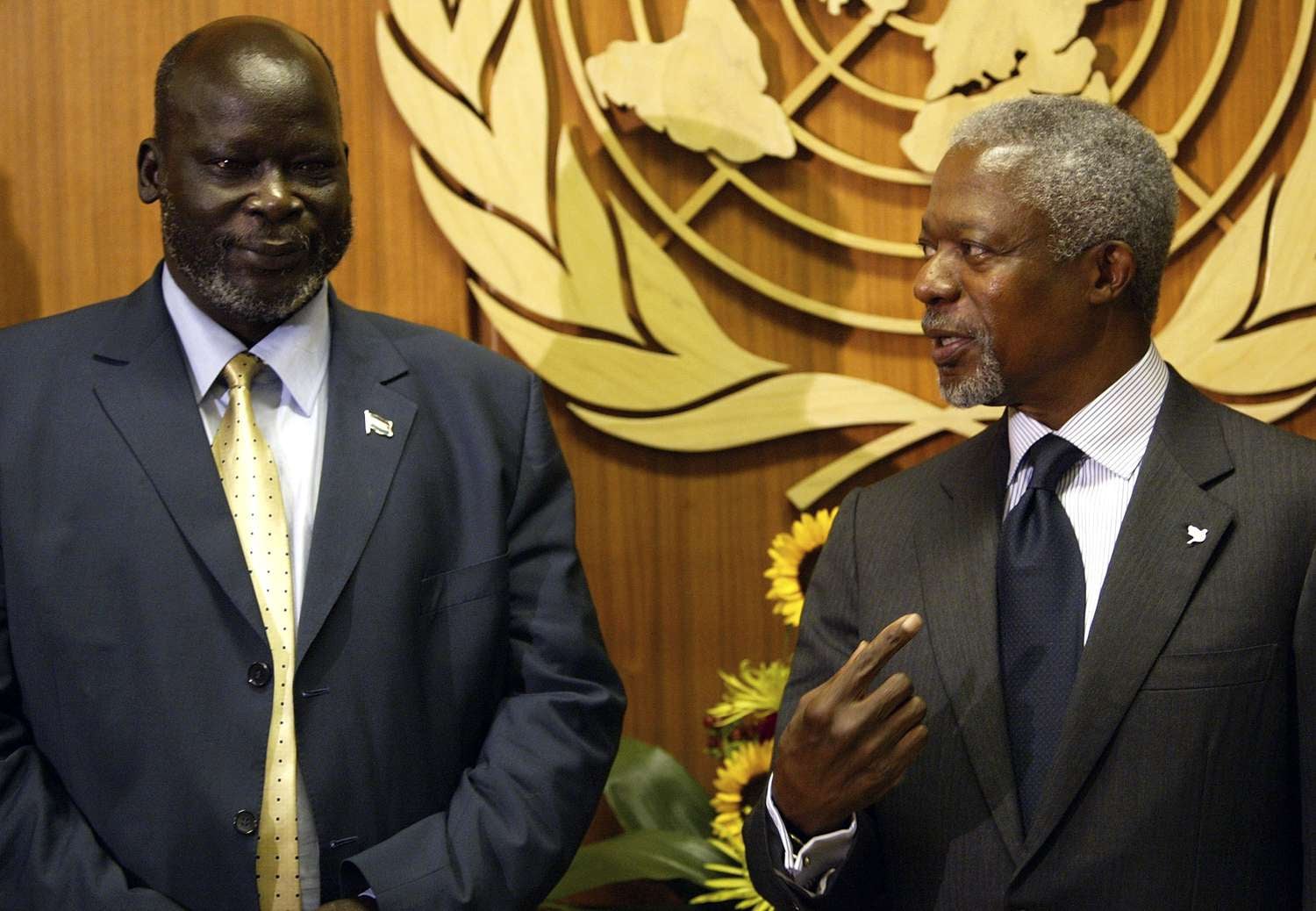
John Garang enjoyed extensive relations with regional and international powers, as some African and Western countries considered him a key partner in efforts to end the Sudanese civil war.
International mediation, particularly from the Intergovernmental Authority on Development (IGAD) and the United States, also played an important role in supporting the negotiations he led with the Sudanese government, culminating in the Comprehensive Peace Agreement of 2005. His political presence and his advocacy for pluralism contributed to transforming him into an influential figure within and outside the African continent.