Egypt's agricultural project of the century: details of Africa's largest agricultural project
A green revolution is redrawing the map of food security.
Written by: Omnia Hassan
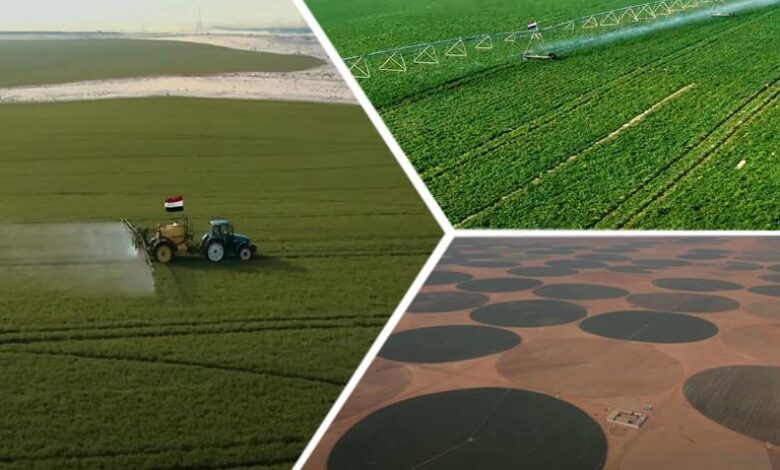
Egypt has launched a massive agricultural project, known as the New Delta, to become one of the largest agricultural reclamation projects in Africa.
The project aims to enhance food security and reduce the import bill by transforming vast areas of desert land into a modern, productive area that relies on technology and smart irrigation.
State-led strategic vision
The project falls within the development vision adopted by the state under the leadership of President Abdel Fattah al-Sisi since 2017, which focuses on horizontal expansion in agriculture outside the Nile Valley.
The new delta is the focus of this plan, which aims to reclaim about 2.2 million acres, including more than one million acres within the scope of the Egypt Future for Agricultural Production project.
An integrated system for sustainable development
The project comes within the framework of the Future of Egypt Authority’s strategy for sustainable development, which aims to implement integrated national projects that rely on the latest scientific and technological systems, and achieve integration between agriculture, food manufacturing, logistics, urban development and digital transformation.
Within a few years, the New Delta project has transformed from an ambitious idea into a massive development reality that embodies the state’s ability to accomplish giant projects at an unprecedented pace, becoming a modern model for agricultural expansion and comprehensive economic development.
The agency leads a system of effective strategic partnerships with the public and private sectors inside and outside Egypt, in addition to cooperating with local and international financing institutions to provide technical and investment support, which enhances the state’s ability to face future challenges and achieve sustainability.
Strategic crops to bridge the food gap
The project focuses on cultivating strategic crops such as wheat, corn, oil crops and legumes, with the aim of reducing the gap between local production and consumption, while opening the way for exporting the surplus and providing hard currency, and reducing the cost of food for citizens.
Economic development and job opportunities
The project's impact extends to creating new urban communities in desert areas, providing thousands of direct and indirect job opportunities, and stimulating investment in agriculture, food processing and supply chains, which enhances the added value of the agricultural sector.
Advanced African position and water challenges
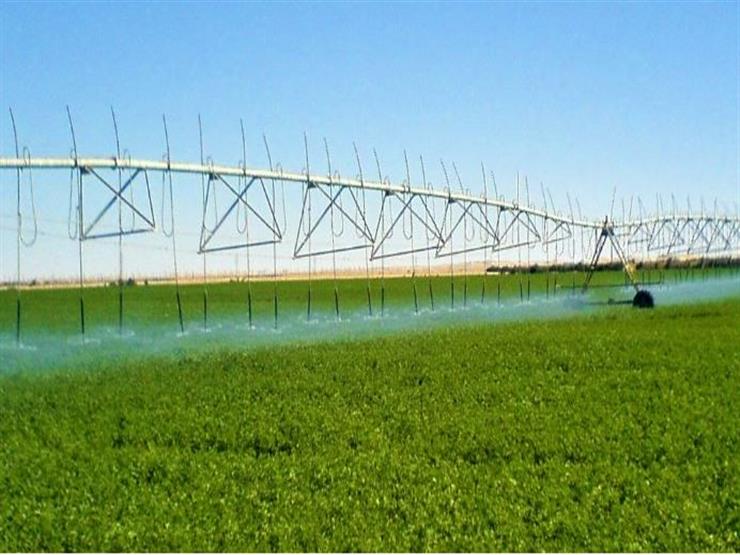
In terms of size and ambition, the project puts Egypt at the forefront of African countries adopting sustainable agricultural solutions. Despite the challenges of water resource management, the plan relies on modern irrigation systems, water reuse, and unconventional sources to ensure sustainable production.
Africa's largest agricultural projects
The African continent includes some of the world’s largest agricultural reclamation and irrigation projects, which aim to transform vast areas of semi-arid land into productive fields using giant irrigation networks and modern farming technologies.
The Gezira Scheme in Sudan is one of the oldest and largest gravity-fed irrigation systems in the world, and in Kenya, Galana Kullalu stands out as a modern irrigation project aimed at enhancing food security, while Mali is leading an expansion in rice cultivation via historic irrigation canals.
Ethiopia has also invested in sugarcane plantations and large-scale irrigation within agro-industrial complexes, reflecting a growing African trend towards technology-intensive agriculture to increase productivity, create jobs, and reduce dependence on food imports.