UN report links Joseph Kabila more closely to AFC/M23 alliance in Eastern DRC
The UN reveals new data regarding the former president's role.
Written by: Mohamed Ragab
A new UN report has revealed indicators linking former Democratic Republic of Congo President Joseph Kabila more closely to the “Allied Congolese for Change/March 23 Movement (AFC/M23)” coalition, which controls large parts of the east of the country. This development could increase international pressure on the former president amid the ongoing armed conflict in the region.
The report indicated the existence of information suggesting that Capella maintained contacts with the alliance's leadership, and that his role extended beyond political stances, at a time when the Democratic Republic of Congo government and several international partners accuse the alliance of destabilizing the eastern part of the country.
Mounting charges against the former president
The UN report comes months after accusations against Cabila intensified, as the United States had previously imposed sanctions on him, accusing him of providing financial support to the AFC/M23 alliance and contributing to fueling the conflict in eastern the Democratic Republic of the Congo, accusations the former president denies and describes as politically motivated.
Kinshasa authorities also lifted the parliamentary immunity that Kabila enjoyed as a senator, as part of legal proceedings related to accusations against him for supporting armed groups.
The conflict in eastern Congo continues.
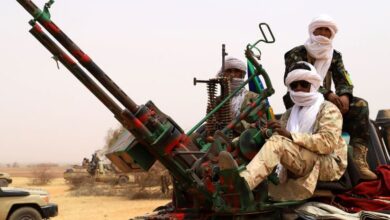
The provinces of North Kivu and South Kivu have been witnessing clashes between government forces and AFC/M23 fighters for years, resulting in the deaths of thousands and the displacement of large numbers of civilians, amid UN warnings of a worsening humanitarian crisis.
Despite regional and international efforts to reach a lasting ceasefire, clashes continue to erupt in several areas. Meanwhile, the conflicting parties accuse each other of violating security understandings.
Political and judicial repercussions
Observers believe that what was stated in the UN report may increase political and legal pressure on Joseph Kabila, especially in light of the ongoing investigations into his relationship with the rebels, and the possibility of taking additional measures at the national and international levels.
In contrast, Capella continues to reject all accusations, asserting that they are based on unsubstantiated claims and are part of the country's political conflict.
Fears of complicating peace efforts
Analysts warn that continued controversy over the role of prominent political figures in the conflict could complicate mediation efforts aimed at ending the fighting in eastern Democratic Republic of Congo, especially with the ongoing humanitarian crisis and the increasing number of displaced people.
The United Nations emphasizes that achieving lasting peace requires all parties to commit to ceasing hostilities, resuming political dialogue, and ensuring accountability for those responsible for violations in conflict zones.