Kenyan scientist wins $187 million shilling grant to develop disease outbreak prediction system
New technology aims to detect diseases before they become widespread epidemics.
Written by: Mohammed Omran
As concerns about pandemics and drug-resistant strains grow, attention is turning to artificial intelligence As one of the most prominent future tools for public health protection, in this context, a Kenyan scientist is leading an ambitious research project aimed at transforming wastewater into an early warning system capable of detecting diseases before they spread, with significant financial support from the Gates Foundation.
The project relies on artificial intelligence and sewage analysis
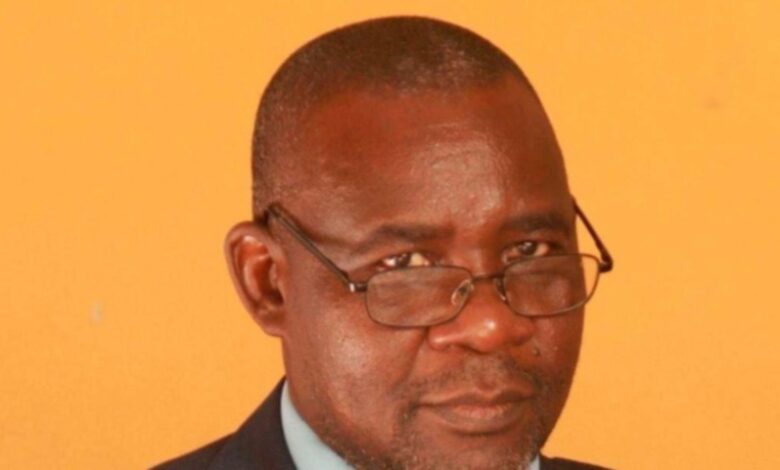
Kenyan scientist Dr. Samuel Oyola, Head of Genomics at the International Livestock Research Institute, has received a grant of $1.45 million (approximately KSh 187 million) from the Gates Foundation to develop an intelligent system capable of predicting disease outbreaks, monitoring their causes, and tracking the spread of antibiotic-resistant bacteria.
The project aims to create an AI-powered tool to analyze data extracted from sewage, enabling health authorities to monitor early indicators of disease outbreaks and take proactive measures before they escalate into widespread epidemics.
From the Coronavirus Pandemic to an Early Warning System
The project builds on the expertise gained by researchers during the COVID-19 pandemic, when studies showed that wastewater could detect the presence of viruses and pathogens in a community even before infected individuals sought hospital treatment.
Kenyan scientist wins $187 million shilling grant to develop disease outbreak prediction system
Dr. Oyola explained that many citizens in Africa do not rush to seek healthcare when they fall ill, which makes wastewater surveillance a more accurate way to monitor the spread of diseases, as almost all residents indirectly contribute to transferring biological indicators into sewage networks.
He added that analyzing these samples gives researchers a comprehensive picture of the pathogens circulating within each region, even if no official cases are recorded.

Collecting samples from two cities
The research team, with the participation of two doctoral students, will collect samples from 30 locations in the cities of Kisumu and Mombasa, with 18 locations in Kisumu and 12 locations in Mombasa.
The two cities were chosen for their interconnected sewage networks, while the capital, Nairobi, already has a similar wastewater monitoring program.
Artificial intelligence analyzes millions of data points.
The project relies on artificial intelligence technologies to analyze vast amounts of genetic data generated from DNA sequencing of pathogens present in wastewater.
Researchers use high-throughput sequencing technology, which allows for the analysis of all microorganisms in a sample at once, instead of searching for only one pathogen.
An AI model is being developed to process data, extract patterns, and predict areas most susceptible to disease outbreaks.
Combating antibiotic resistance
The project is not limited to monitoring infectious diseases, but also extends to tracking genes responsible for antibiotic resistance, which has become one of the most serious global health challenges.
By analyzing the genetic material of pathogens, researchers will be able to identify areas with high rates of antibiotic resistance and inform public health officials to make more accurate treatment decisions, such as modifying drug protocols or strengthening infection control measures.
Decision-maker support
The research team aims to transform the analysis results into digital dashboards that allow health officials to monitor the epidemiological situation in real-time, identify areas most at risk of disease spread, thereby contributing to more efficient allocation of health resources.
The project also seeks to prepare a new generation of researchers specializing in the application of artificial intelligence in public health by involving doctoral students in the development and analysis of these modern technologies.
Dr. Oyola believes that the success of the project will be an important step towards building an early warning system capable of detecting epidemics in their early stages, improving Kenya's preparedness for future health crises, with the possibility of replicating the experience in other African countries.