The Ostrich People: An African Tribe Defying the Strangeness of Nature and Revering Trees
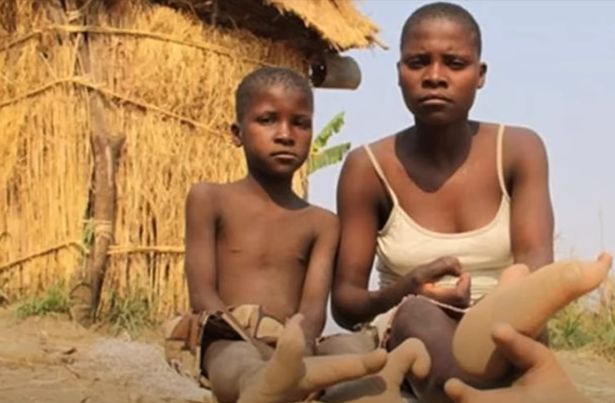
The feet of the Vadoma tribe
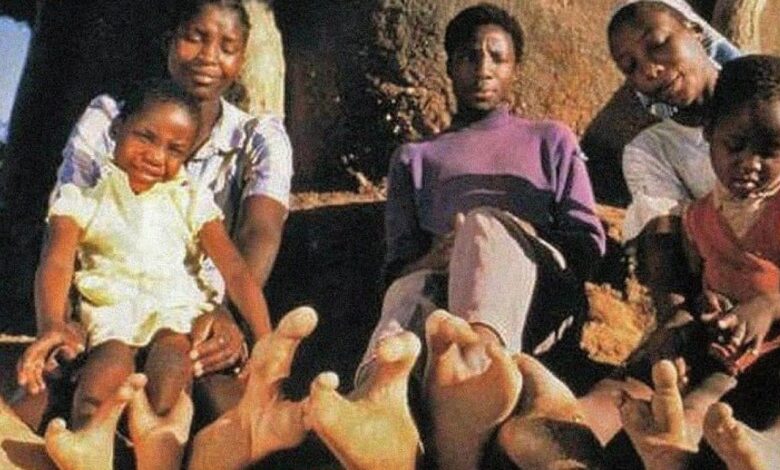
In the heart of the African continent, where tribes are numerous and customs and traditions are diverse, the “Fadoma” tribe, who live in northern Zimbabwe on the banks of the Zambezi River valley, stands out as one of the most surprising and controversial tribes. This small tribe is known worldwide by the title “Ostrich People,” not only because of their lifestyle, but also as a result of a rare genetic condition that makes their feet resemble the feet of a huge bird.
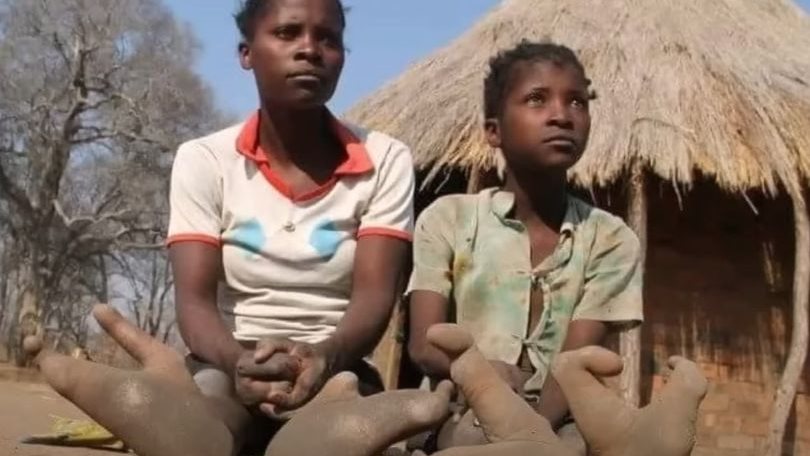
Most members of the Vadoma tribe suffer from a condition known medically as ”ankyloglossia,” where three toes are missing from the middle of the foot, while the two outer toes remain curved inwards, giving the foot a shape resembling an ostrich's foot. This phenomenon did not come about by chance, but was linked to a strict law within the tribe that stipulated only marriage between relatives, which led to the continuation of this hereditary trait across generations.
Tribal way of life
Despite the strangeness of this condition, it does not represent a health or functional obstacle for the tribe's members. On the contrary, their feet have helped them climb trees easily, although they limit their ability to run long distances. The Vadoma people do not use shoes or slippers, and they live their daily lives normally, relying on fishing and fruit gathering in a simple, primitive environment.
distinctive language and culture
The tribe speaks the Dema language, which is closely related to the Shona language spoken in Zimbabwe. Their spiritual culture is rooted in the belief that their ancestors emerged from the famous African baobab tree, which they consider sacred. They believe that the spirits of their forefathers reside within it, and they approach the tree seeking blessings.
The baobab tree... a source of life
The baobab tree is not just a spiritual symbol of Vadoma, but a source of food, drink, and life. It may be up to five thousand years old and is distinguished by its ability to store huge quantities of rainwater, providing it during dry seasons.
Its fruits are squeezed to obtain a drink that the tribe believes cures internal diseases, while its seeds are crushed for use as a food rich in vitamins, and to treat diseases such as diabetes, high blood pressure, asthma and some skin diseases.
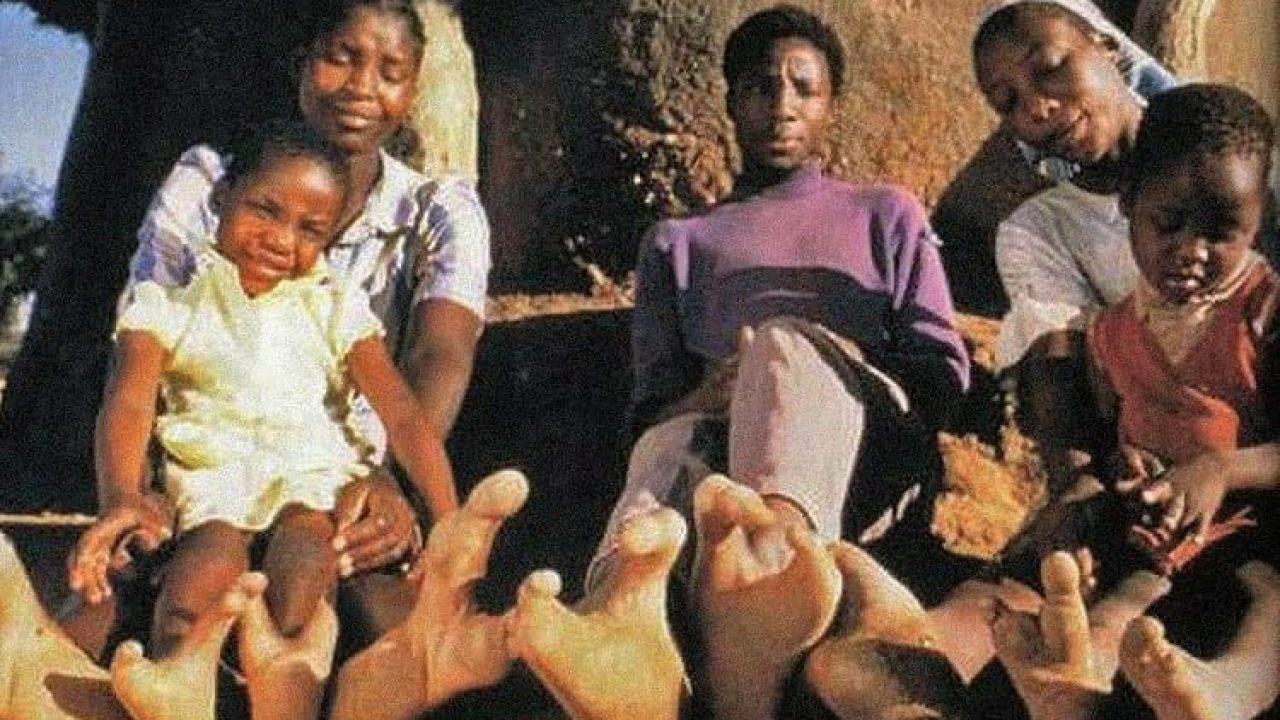
The Fadoma tribe represents a unique model of human diversity in Africa, where myth blends with reality, and unusual customs with an ability to adapt to nature. Although the world looks upon them with wonder, they live their lives simply and contentedly, adhering to their customs and laws, and revering their tree, which they see as the secret to their survival.