The Herero people of Namibia live by herding and fight against the memories of genocide.
Ahmed Salem
The Herero are an ethnic group that mainly inhabits Namibia, with smaller communities in neighboring countries. Their population ranges between 250,000 and 300,000, and they are an important ethnic group in Namibia, although not the largest.
The Herero people traditionally practice cattle herding, and cattle play a pivotal role in their economy, social status, and spiritual life.
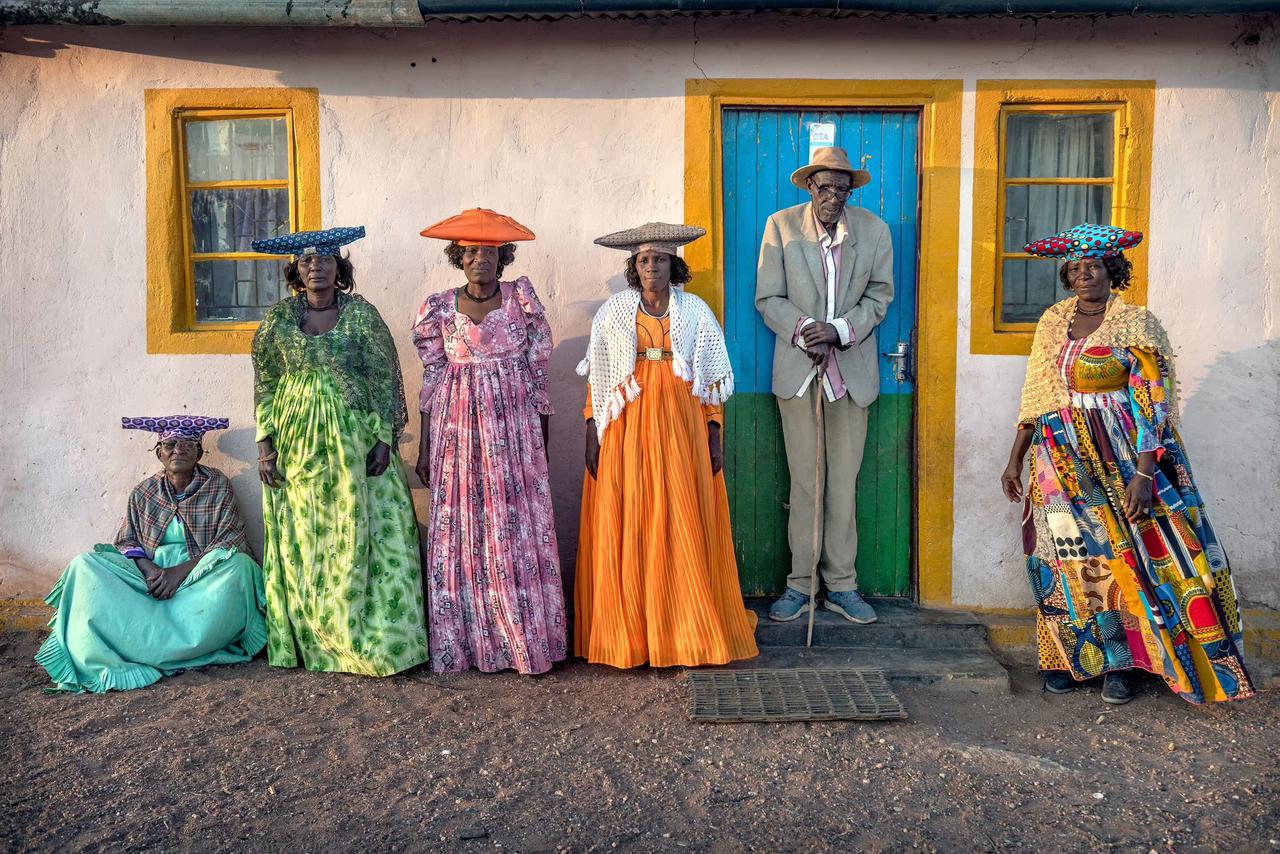
Wealth and status are often measured by the size of the herd, cattle occupy a prominent place in rituals and inheritance systems, while Herero women are known for their distinctive traditional clothing.
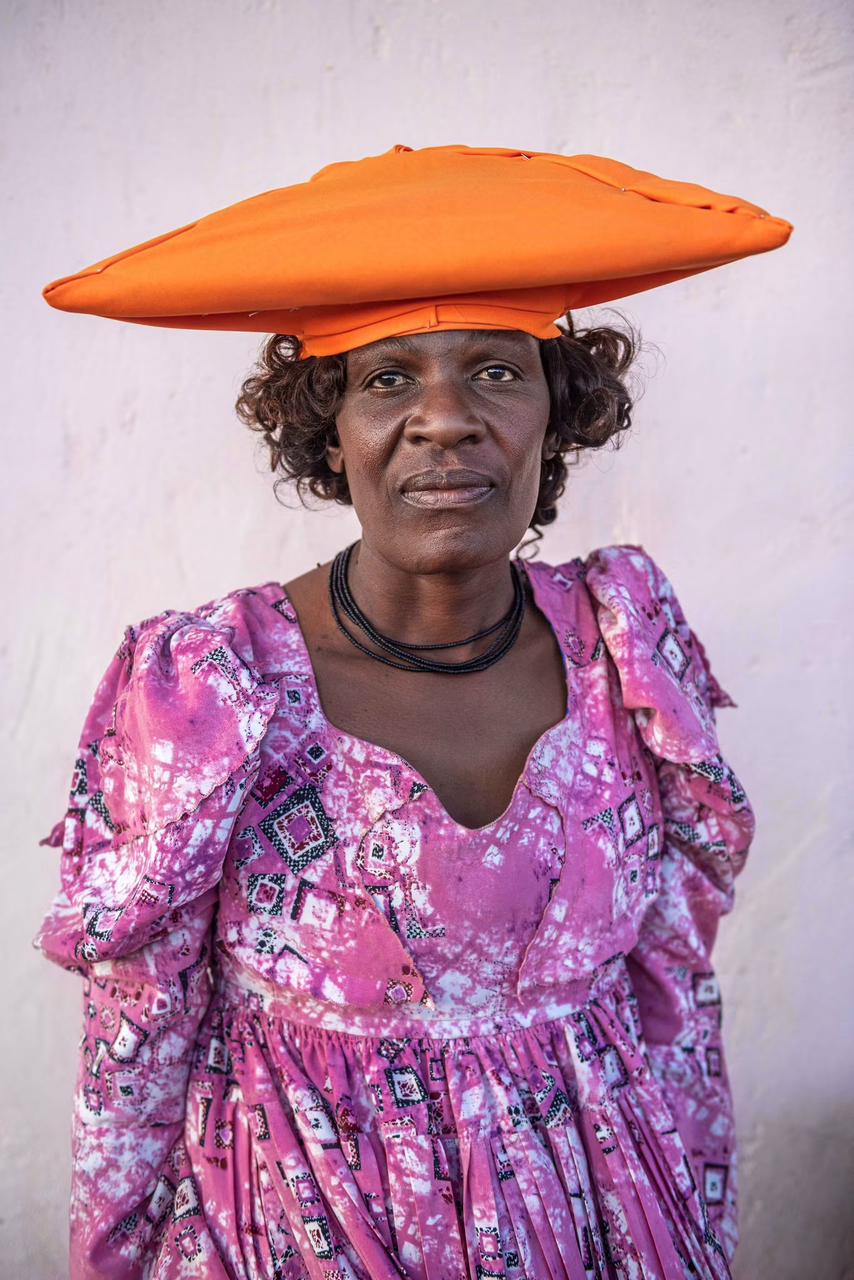
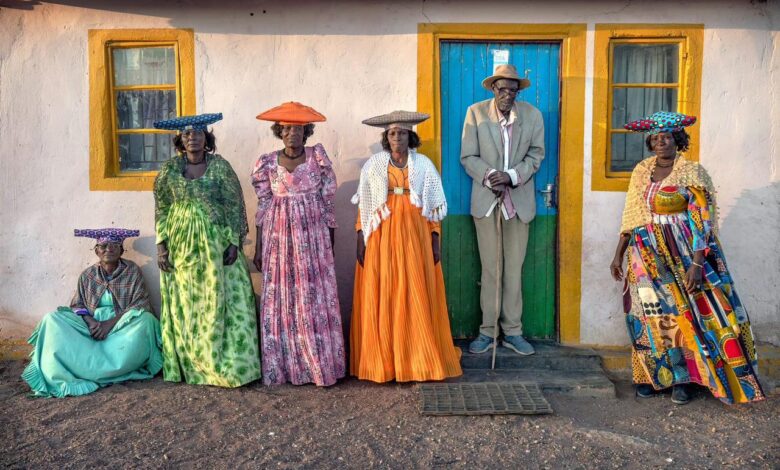
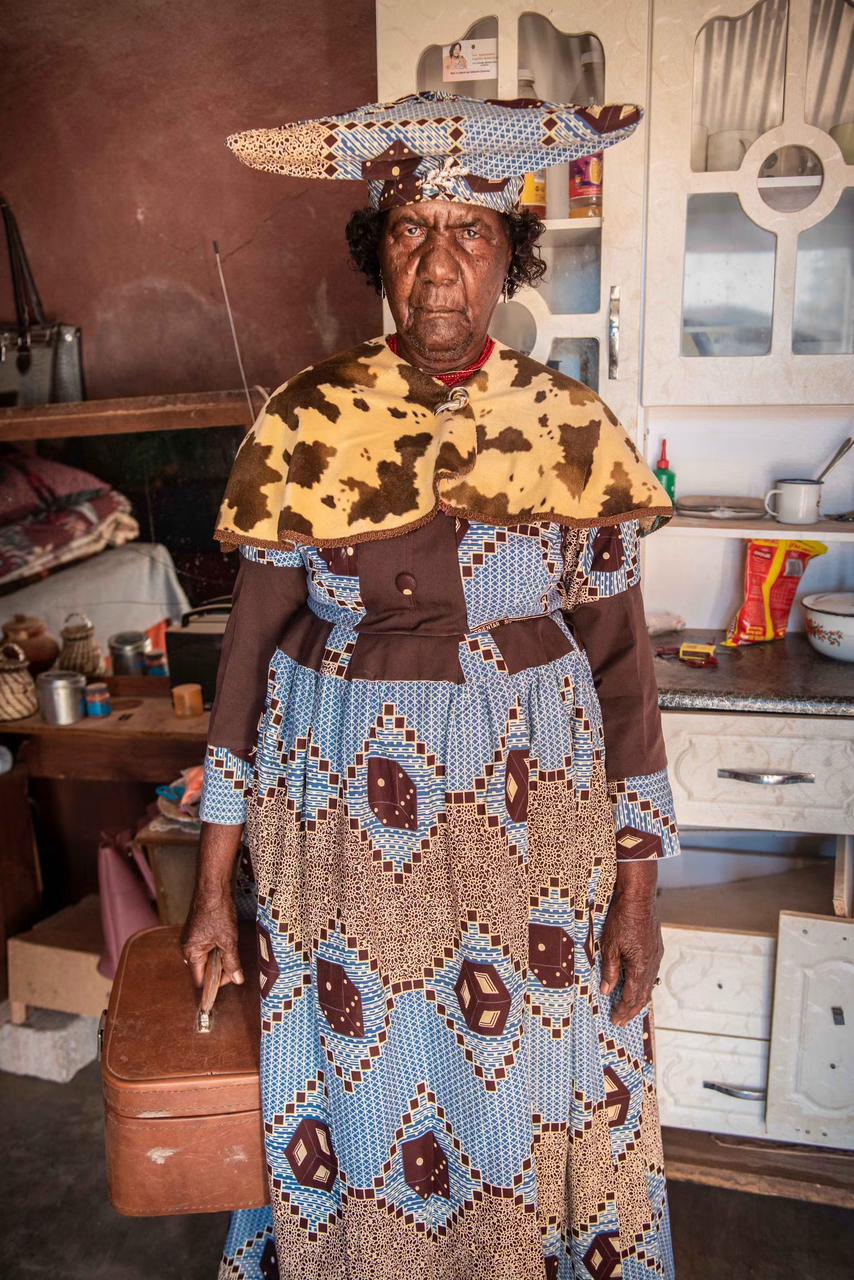
Women of this ethnicity wear long Victorian-style dresses, which originally appeared during the missionary period and later became a symbol of cultural identity.
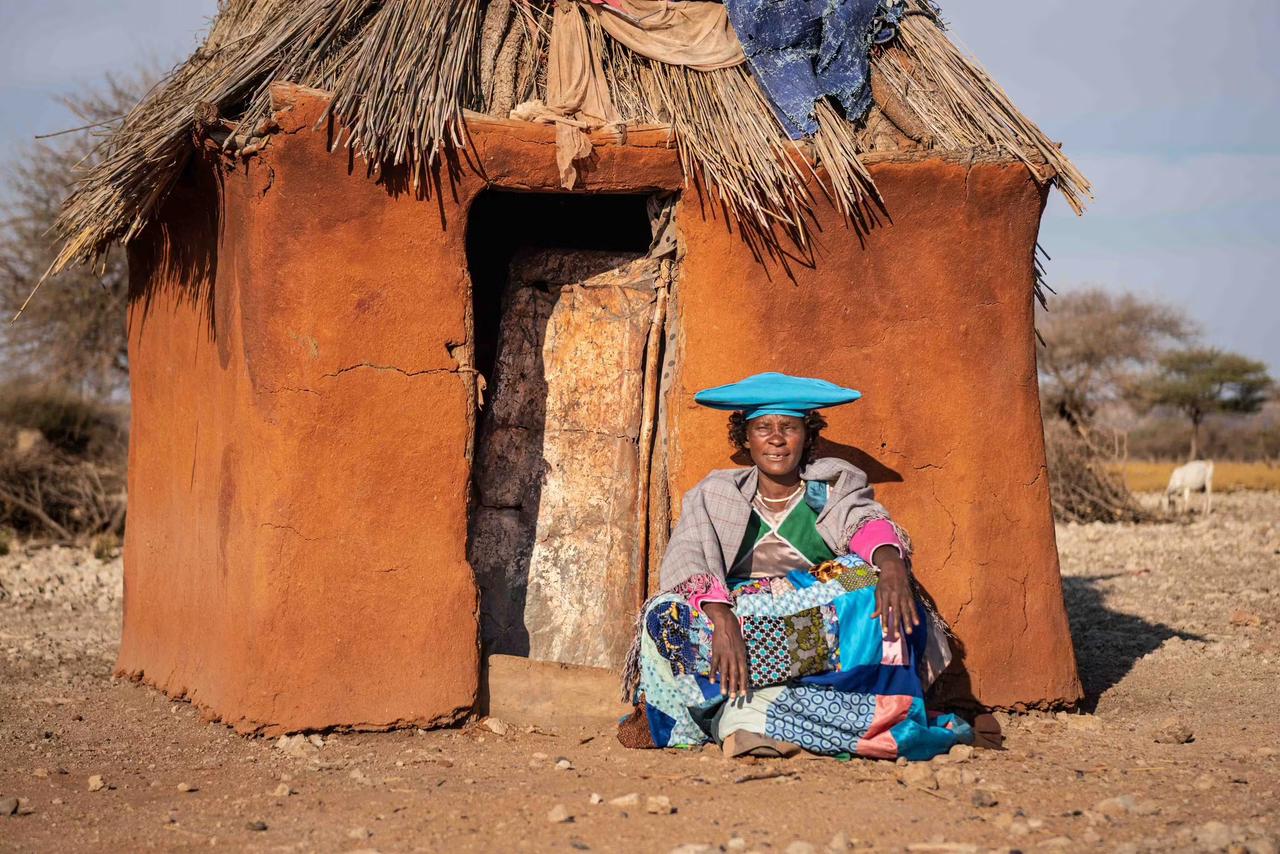
The dresses are usually brightly colored and worn with a distinctive headdress called an “otjikaeva,” designed in the shape of cattle horns, again reflecting the importance of cattle in Herero culture.
The history of the Herero people was greatly influenced by colonialism.
During the German colonial period, in the late nineteenth and early twentieth centuries, conflicts over land and power led to extreme violence.
Between 1904 and 1908, the Herero people suffered heavy losses in what is now known as the Herero-Nama genocide.
Despite this painful past, the Herero people have preserved their language, traditions and their established identity, and they continue to play an active role in Namibian society to this day.