The Tanzanian Embassy in Cairo celebrates the 62nd anniversary of independence with the attendance of high-ranking diplomats.
Tanzania celebrates its 62nd Independence Day
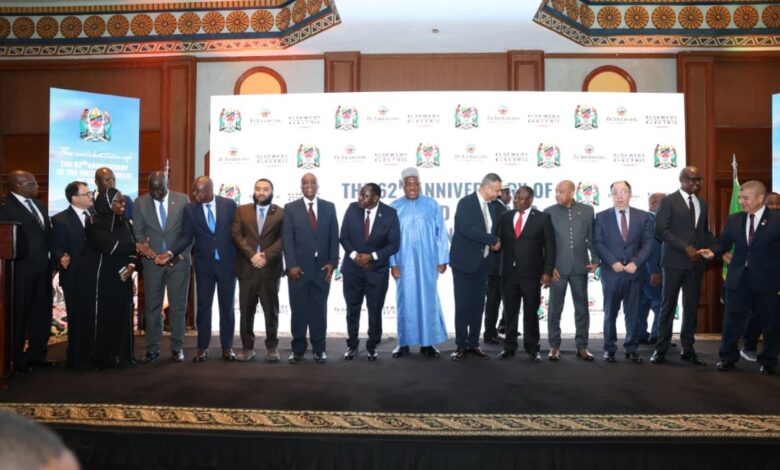
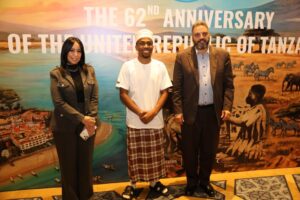
The embassy organized Tanzania In Cairo, an official celebration was held at one of the capital's hotels, on the occasion of the 62nd anniversary of the country's independence, in honor and hospitality of Ambassador Richard Mkanzo, Tanzania's ambassador to Egypt.
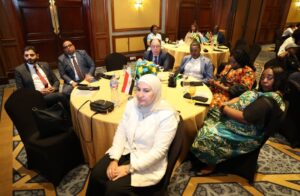
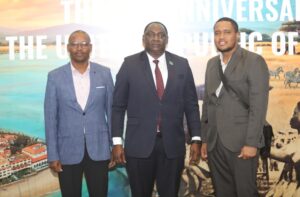
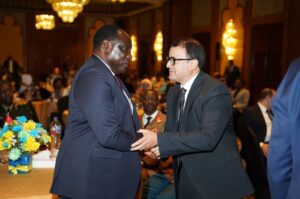
The ceremony was attended by high-level diplomatic and official figures, led by Ambassador Mohamadou Labarang, Dean of African Ambassadors and Ambassador of Cameroon, along with a number of ambassadors from African countries, including the ambassadors of Rwanda, South Sudan, Burundi, Malawi, Namibia, Zambia and Kenya.
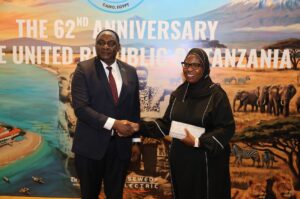
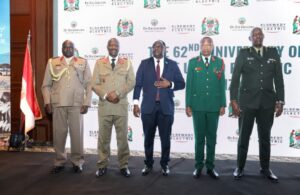
The celebration was also attended by Ambassador Mohamed Abu Bakr, Deputy Foreign Minister for African Affairs, Ambassador Karim Sharif, Assistant Foreign Minister for African Affairs, as well as the Tanzanian Deputy Minister of Energy, and a number of representatives of major companies working on cooperation projects between the two countries.
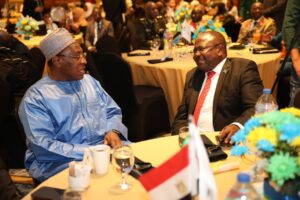
The attendees also included Engineer Wael Hamdi – Vice President of Elsewedy Electric Group, and CEO of the Engineering and Construction Sector, and Dr. Engineer Ahmed El-Adlani, Board Member of Arab Contractors Company, in addition to a selection of media professionals and public figures.
Tanzania celebrates its 62nd Independence Day
One of the most prominent features of the celebration is highlighting the growing economic cooperation between Egypt and Tanzania, especially in the field of energy and infrastructure, where the Julius Nyerere Dam project stands out as one of the most important strategic projects implemented by the alliance of the Arab Contractors and Elsewedy Electric companies.
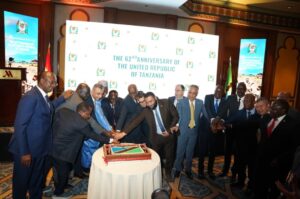
The project, which is scheduled to open soon, is a real qualitative leap, as its production capacity is about 2115 megawatts of electricity, which opens up broad prospects for improving the quality of life of the Tanzanian citizen, by supporting basic services and promoting comprehensive development.
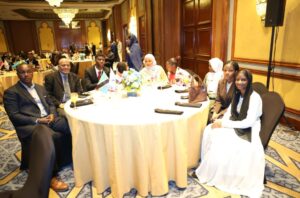
The dam also contributes to consolidating Tanzania’s position as a promising and attractive destination for regional and international investments, reflecting the depth of the strategic partnership between Cairo and Dar es Salaam and establishing a new phase of sustainable development cooperation.
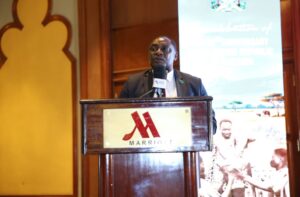
In their speeches, the participants emphasized the depth of the historical relations between Egypt and Tanzania, and expressed their hope for more joint cooperation in various fields during the next stage.
Tanzania celebrates its Independence Day
The United Republic of Tanzania celebrates the anniversary of its founding and unification as a single state on April 26th of each year, known as “Union Day,” as this date marks the unification of Tanganyika and Zanzibar in 1964.
Information about Tanzanian independence
The Union Agreement (Union Act) was signed on April 26, 1964, between the then President of Tanganyika, Julius Nyerere, and the President of Zanzibar, Abeid Amani Karume.
April 26 is considered an official holiday and an important national day symbolizing unity and sovereignty. It is different from Tanganyika's Independence Day, December 9. This day is usually celebrated with presidential speeches, military parades, and cultural and musical performances in national stadiums, especially in Dar es Salaam or the capital, Dodoma.
As Tanzania celebrates its 62nd Independence Day, El Sewedy Industrial City (EIC) stands out as a leading model for industrial growth and promoting investment opportunities in the African continent.
The city spans an area of 2.6 million square meters, forming an integrated industrial complex that includes various sectors, with advanced infrastructure and modern management.
The EIC is a strategic gateway to support investment and sustainable development, enhancing Tanzania’s position as a key growth destination in East Africa.