Amnesty International criticizes the European Union's cooperation with Libya against migrants.
Allegations of abuses against migrants spark new controversy
Mohamed Ragab
Amnesty International criticized the cooperation policies between the European Union and the Libyan authorities on the issue of migration, accusing some Libyan parties of committing serious violations against migrants and refugees, and considering that the continuation of European support for policies of intercepting migrants and returning them to Libya raises increasing human rights concerns.
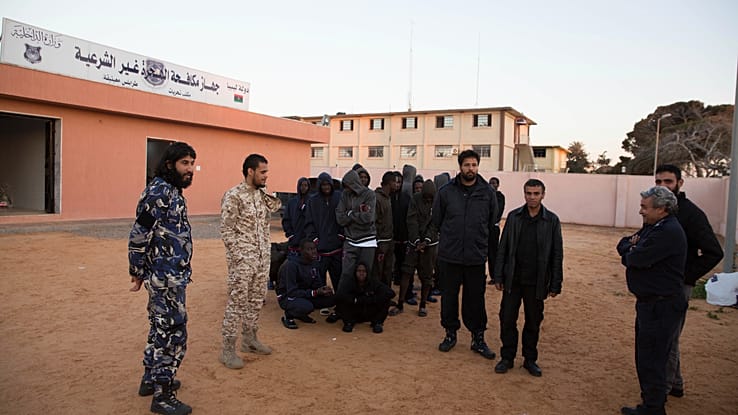
These criticisms came in a new report by the human rights organization, which addressed the conditions of migrants inside detention centers and the areas that receive people who are intercepted in the Mediterranean and returned to Libyan territory.
Criticism of European immigration policies
Amnesty International said that cooperation between the European Union and Libyan authorities in combating irregular migration has led to the return of thousands of migrants to what it described as unsafe conditions, citing reports of some migrants being subjected to abuse, ill-treatment and arbitrary detention.
The organization believes that European policies aimed at reducing migration flows across the Mediterranean should not come at the expense of human rights or the safety of migrants and refugees.
Libya remains a major transit point for migrants
Libya is one of the main transit points for migrants coming from sub-Saharan Africa and other countries, with thousands seeking to reach Europe via the Mediterranean Sea every year.
The complex security and political situation in the country over the past years has led to increased challenges related to managing the migration issue, at a time when Libyan authorities are facing difficulties in dealing with the large numbers of migrants.
Calls for a review of cooperation mechanisms
Amnesty International called on the European Union to reconsider its cooperation policies on border control and migration, and to work on providing mechanisms that protect the rights of migrants and ensure respect for international law and human rights.
It also called for increased rescue operations at sea, the expansion of legal and safe migration routes, and improved conditions for migrants and refugees within reception and accommodation centers.
The European Union reaffirms its commitment to combating smuggling.
For its part, the European Union affirms that cooperation with Libya aims to combat human trafficking networks and reduce deaths in the Mediterranean, in addition to supporting the capabilities of the Libyan coast guard and strengthening border management.
European officials also stress the importance of working with regional partners to address the root causes of irregular migration, including economic crises, conflicts and instability in some countries of origin.