Rwanda is betting on a nuclear future: A new agreement accelerates the energy dream by 2030.
New cooperation agreement with the International Energy Agency

Written by Omnia Hassan
Rwanda continues to accelerate its steps towards entering the nuclear age, after signing a new cooperation agreement with the International Atomic Energy Agency, a move that reflects Kigali's ambition to become one of the leading countries African Relying on clean energy in the coming decades.
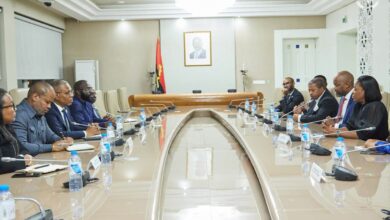
The announcement came during the Nuclear Energy Innovation Summit in Africa, where the agency’s Director General, Rafael Mariano Grossi, discussed the future of Rwanda’s nuclear program with Rwandan President Paul Kagame, along with the delivery of the final report of the Integrated Nuclear Infrastructure Review (INIR) mission.
International support for Rwanda's nuclear ambitions
The International Atomic Energy Agency confirmed that Rwanda has made significant progress in building the institutional, legal and technical framework necessary to develop a safe and sustainable nuclear program.
She also praised the level of government coordination, the speed with which regulatory systems were established, and the early involvement of stakeholders in the project.
The Nuclear Infrastructure Review Mission is seen as a key milestone in Rwanda’s path towards incorporating nuclear power into its national energy mix, particularly with the move towards the use of small modular reactors, which are a more flexible and less expensive option for developing countries.
An ambitious plan to operate the first nuclear reactor
Rwanda aims to have its first nuclear power plant operational by the early 2030s, with the goal of nuclear power making up more than 60% of the national energy mix by 2050.
President Paul Kagame stressed that energy is no longer just a service issue, but has become “a fundamental pillar of industrial growth and competitiveness,” noting that his country is moving steadily towards achieving energy security and supporting sustainable economic development.
Previous reports have also revealed the Rwandan government's intention to invest up to $6 billion in nuclear energy infrastructure, as part of a long-term vision to transform the country into a high-income economy by mid-century.
Regional cooperation that goes beyond electricity production
The IAEA's discussions in East Africa were not limited to Rwanda, but also included talks with Samia Suluhu Hassan on areas of nuclear cooperation in healthcare, food security and the development of electrical infrastructure.
These moves reflect the growing interest of African countries in nuclear energy as a strategic solution to address the electricity crisis, reduce dependence on fossil fuels, and support long-term industrial development plans.