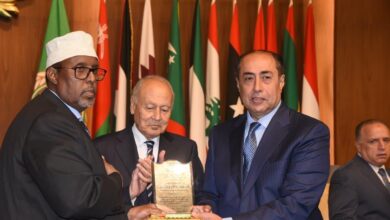
Namira Najm: Future climate disasters can be predicted, but the cost is holding Africa back.
Najm: The countries of the continent face urgent needs, foremost among them supporting the use of modern technological tools.
Written by Zein Diab:
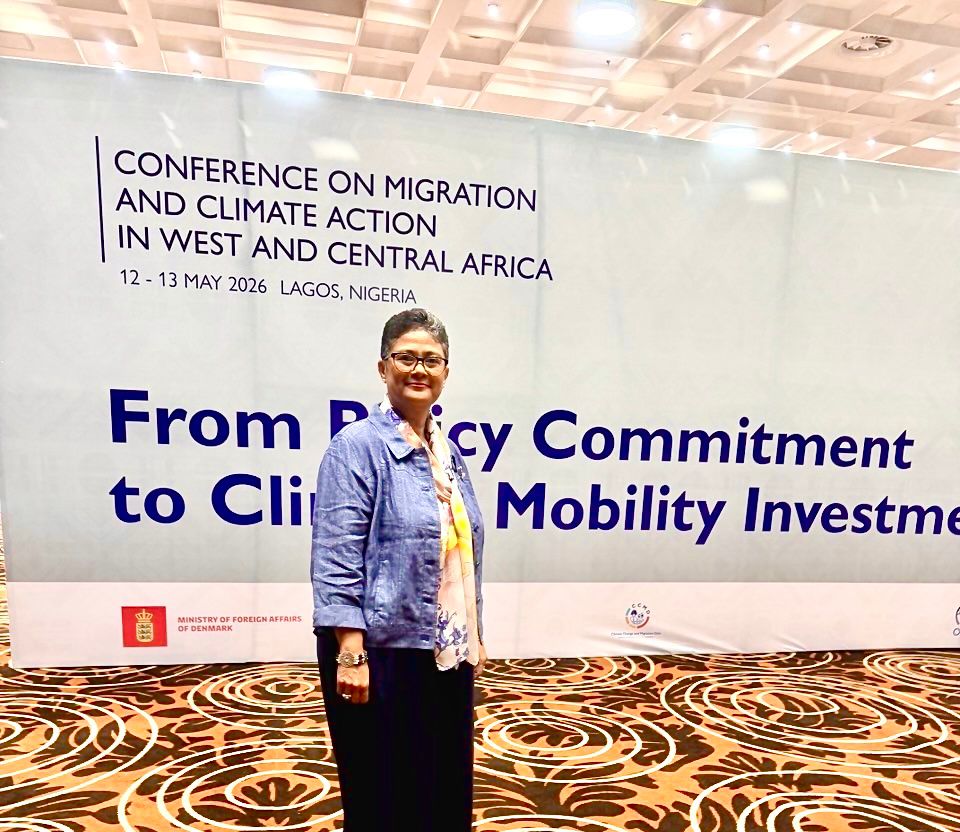
Namira Najm, the director African Migration ObservatoryShe stressed the need to integrate climate change issues into school and university curricula, emphasizing that building awareness among new generations is the first step towards confronting the escalating climate challenges in the African continent.
This came during her participation in the Migration and Climate Action in West and Central Africa Conference: From Political Commitment to Investment in Climate Action, which was organized by the International Organization for Migration in cooperation with governmental and regional partners in Lagos for two days and ended yesterday.
Namira Najm: Climate education must extend to empowering children
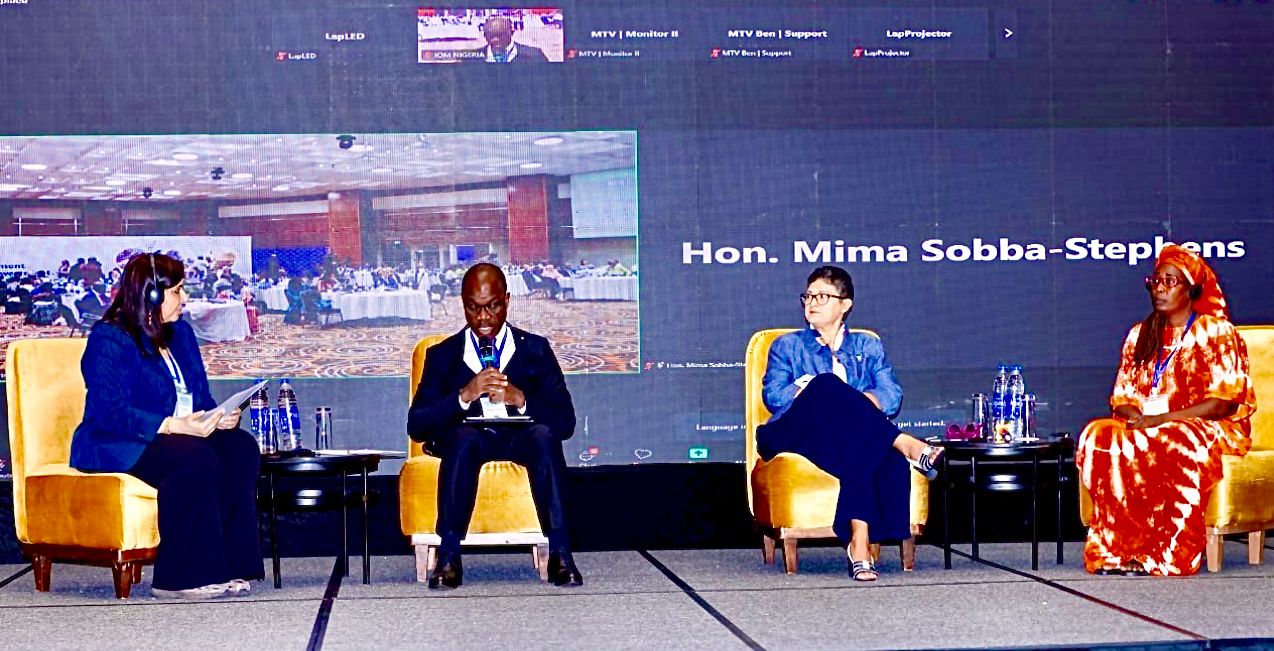
Ambassador Najm added, during her participation in a session entitled «Policies and Data: Governing Climate Action in West and Central Africa», that climate education should not be limited to theoretical awareness, but should extend to enabling children and youth to use modern analytical tools, including artificial intelligence, to produce innovative ideas and solutions that contribute to confronting the effects of climate change and managing its future risks.
She stressed that investing in awareness and knowledge is the first line of defense against climate disasters, considering that preparing a generation capable of understanding and analyzing climate data has become a strategic necessity no less important than investing in infrastructure.
Huge spending on wars
Ambassador Najm focused on the issue of global financing, noting that the experience of activating the Loss and Damage Fund during the COP28 conference revealed the limited financial pledges compared to the size of global spending during the same period on armed conflicts, including what she described as the huge spending on wars and the resulting victims. She pointed out that more than 17,000 children were deliberately killed by Israel in Gaza with open American and European funding to commit genocide crimes, considering that this paradox reflects a clear flaw in the conscience and priorities of the global financial system between financing development and financing and encouraging the killing of civilians, children and women in armed conflicts. .
She explained that data collection is one of the most significant challenges facing the African continent, emphasizing the importance of moving beyond simply collecting figures to analyzing and transforming them into usable knowledge, thus enabling the conversion of risks into real economic and developmental opportunities. She also pointed out that every dollar spent today on climate change preparedness measures saves many times more than the enormous sums spent later to address the losses resulting from climate disasters.
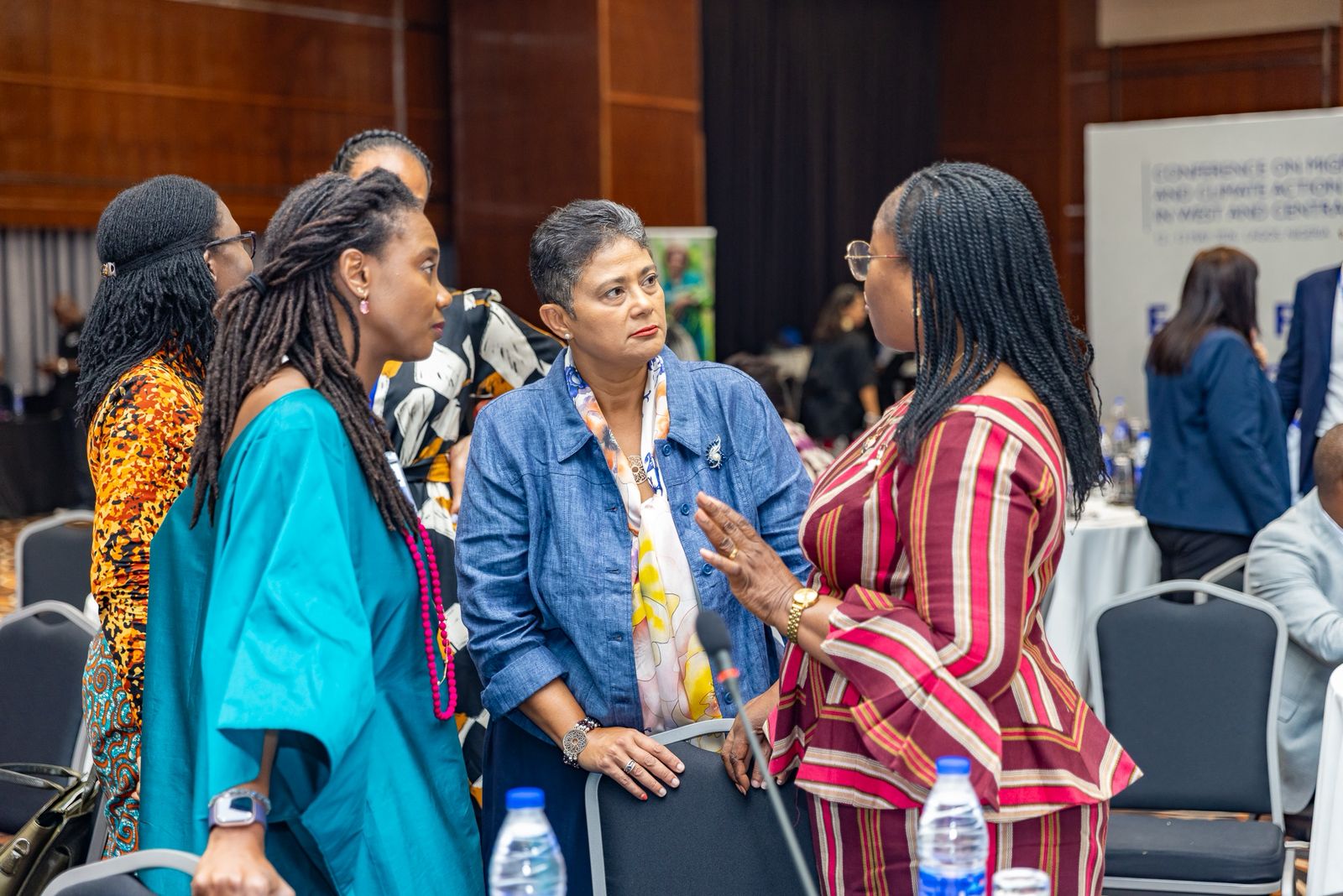
Ambassador Najm pointed out that the continent already has a large amount of available data, but the real challenge lies in verifying its credibility and collecting it periodically and systematically in order to benefit from it effectively, especially with regard to planning for the risks of climate change and the associated data on human movement resulting from climate change.
She warned that the high cost of advanced devices capable of providing accurate and realistic climate forecasts for long periods of time, up to a full year, represents an obstacle for many African countries, which calls for strengthening regional cooperation within the continent, so that regional groups share in providing and using these devices, which helps governments to plan ahead to protect the population and manage internal population movements more efficiently.
She added that the African continent is facing a growing phenomenon of increasing population movement towards cities, which could lead to significant risks, most notably threatening food security on the continent. She stressed the need to address the root causes of this migration instead of encouraging it, by finding solutions that ensure the sustainability of agricultural areas and maintain their suitability for farming, rather than abandoning them.
Ambassador Najm pointed to the importance of rationalizing limited resources by avoiding the creation of new agencies and institutions that perform duplicate functions of existing agencies, stressing that this approach is an urgent necessity to achieve tangible results on the ground and enhance the efficiency of institutional work within the African continent.
She also explained that African countries face urgent needs, foremost among them being support for capacity building in the use of modern technological tools for data collection and analysis, in addition to providing the necessary equipment to implement these technologies.
She stressed the importance of investing in education and training new generations on tools for collecting and analyzing data related to climate migration, while emphasizing the need to avoid confusing it with other causes of human movement, such as armed conflicts or poverty, even though climate change is itself a cause of poverty.
It also emphasized the importance of transforming the social problems resulting from climate change, and the data collected about them, into feasible and financially evaluable proposals and projects, allowing them to be presented as funding programs that can be submitted to loss and damage funds and other mechanisms for financing climate change adaptation projects that directly affect human lives.
She added that strengthening South-South Cooperation provides a practical framework for exchanging experiences and low-cost solutions, noting that many local projects can be developed into scalable regional solutions across the African continent.
Ambassador Najm concluded her vision by emphasizing that Africa’s future in the face of climate change depends on the ability to link data to policies and policies to financing, thus ensuring the building of an integrated system capable of transforming climate challenges into sustainable development opportunities.
The session was moderated by Dr. Rania Chercher, Director of the Climate Action Division at the International Organization for Migration, and included Dr. Antwi Boissaeko Amwah, Chair of the African Negotiators Group in the International Climate Negotiations, Kouadio Kouakou Parfait, Director of the Office of the Minister of Environment and Ecological Transition in Côte d'Ivoire, and Yeba Mimi Soba Stevens, Deputy Minister of Environment and Climate Change in Sierra Leone, along with Kaba Serra.
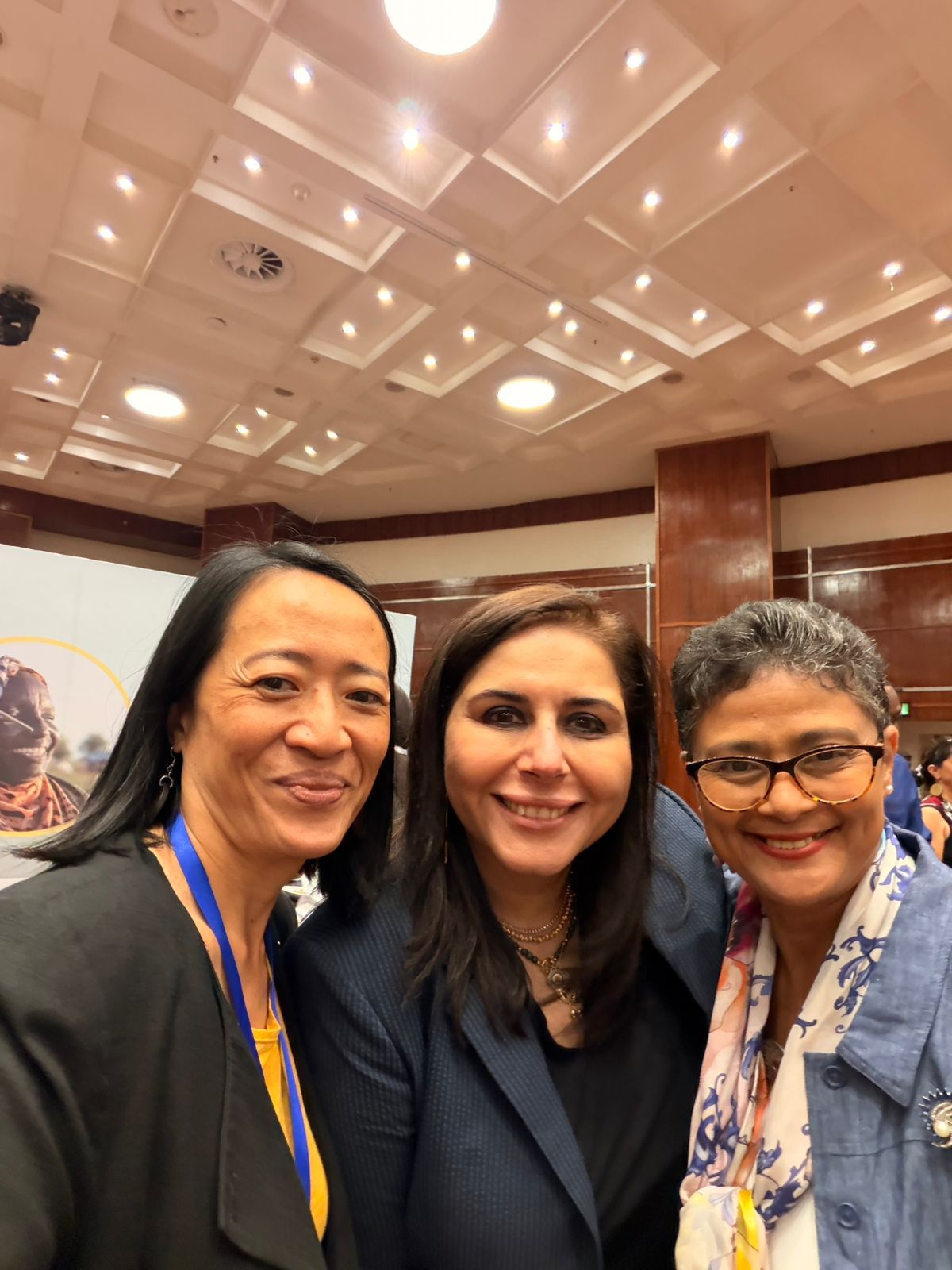
The opening of the conference was attended by Salhu Usman, Permanent Secretary of the Nigerian Ministry of Environment, and Sylvia Ekra, Regional Director of the International Organization for Migration for West and Central Africa, along with the participation of the heads of the commissions of the Economic Community of West African States (ECOWAS) and the Economic Community of Central African States.
Speakers at the conference included Masouda Bint Baham Mohamed Laghdaf, Mauritania’s Minister of Environment and Sustainable Development, Dr. Aruna Soumare, Head of Climate Change and Green Growth at the African Development Bank, Mamadou Hunadia, Chief Negotiator for Least Developed Countries and the African Group, and Sylvia Ekra.
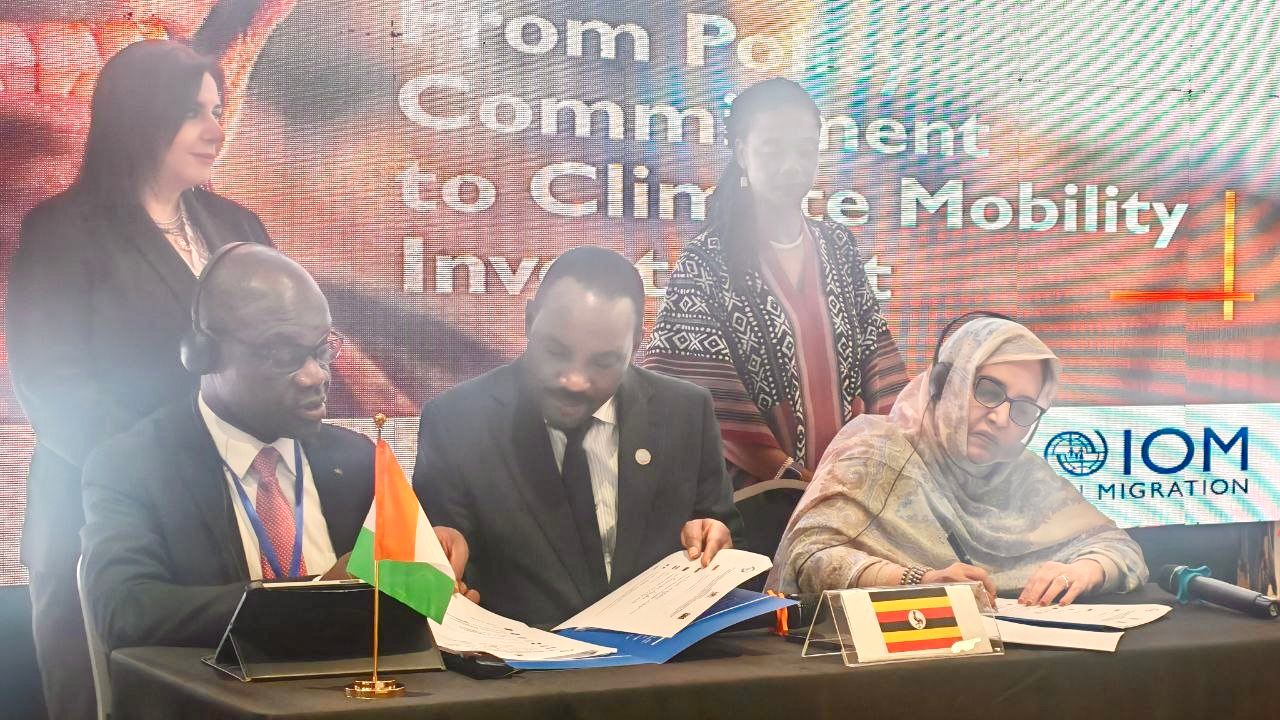
The conference witnessed the signing of the Kampala Declaration on Climate Action by the Mauritanian Minister of Environment and the Director of the Office of the Minister of Environment of Côte d'Ivoire. .
The conference in Lagos comes amid growing regional efforts to strengthen the link between climate, migration, and development policies, against a backdrop of international warnings that the coming decades could witness a significant expansion in climate-related human mobility patterns within Africa, particularly in fragile coastal and rural areas that rely on agriculture, fishing, and pastoralism as primary sources of income. Extreme weather events, such as floods, droughts, and rising sea levels, are also becoming increasingly severe, placing growing pressure on cities, infrastructure, and basic services, and reshaping the demographic landscape in several West and Central African countries.
The conference aimed to link political commitments related to climate and migration with actionable investment and financing programs, amid international estimates indicating that West Africa could see up to 32 million internal climate migrants by 2050.
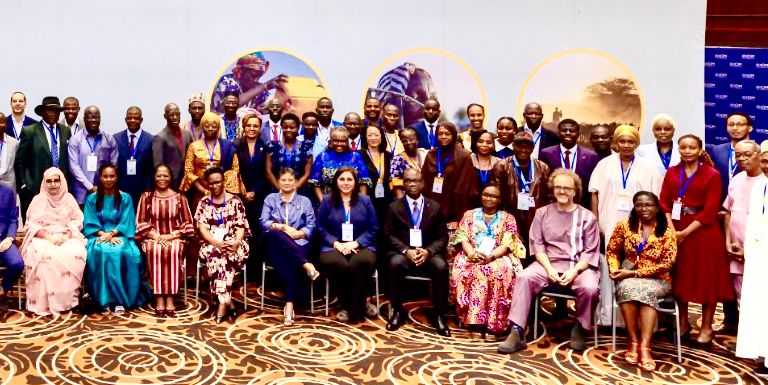
The conference was attended by about 80 officials, experts and representatives of governments, regional economic blocs, climate funds, development banks, the private sector and civil society organizations, in an attempt to formulate a «regional roadmap» on climate migration ahead of upcoming international climate meetings, particularly SB64 and COP31.