بداخله أرواح.. لغز وعاء أثري سرقه البريطانيون من غانا
آثار سرقتها بريطانيا من غانا
كتب: أيمن رجب
لا يزال وعاء مملكة الأشانتي يمثل لغزًا كبيرًا لكثير من المواطنين في غانا، وسط اعتقادات بوجود أرواح أفراد مملكة الأشانتي الشهيرة بداخله.
في المتحف البريطاني، وضمن قسم بعنوان “إبريق الأشانتي”، يُعرض إناء “آيا كيسي”، الذي يُعتقد أنه صُنع في أوروبا، ونُقل إلى مملكة الأشانتي في غانا، ثم نُهب على يد القوات البريطانية في أواخر القرن التاسع عشر، وهو الآن في متحف بريطاني.
وعاء آيا كيسي
ورغم الشهرة التي يحظى بها، إلا أنه لا يزال من غير الواضح تحديدًا مكان صنع هذا الحوض النحاسي الضخم، المزخرف بتماثيل الأسود، من شمال أوروبا، وكيف وصل إلى مملكة الأشانتي في غرب إفريقيا قبل قرون.
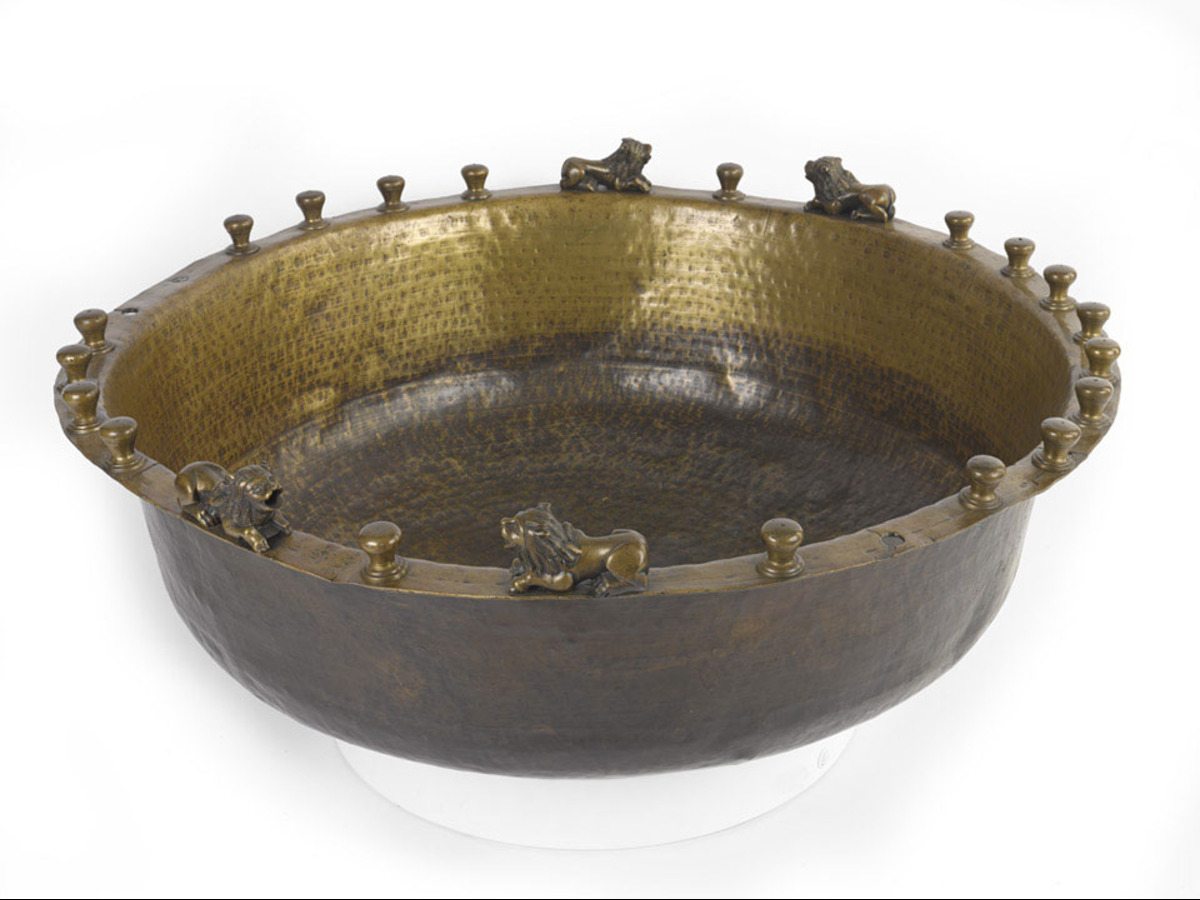
ويُعرض هذا الحوض حاليًا بشكل مؤقت في المتحف البريطاني، ولكنه مملوك للمتحف الوطني للجيش في لندن.
ويعتقد أمناء المتحف البريطاني أنه صُنع في إنجلترا أو هولندا أو ألمانيا، ويُرجح أنه يعود إلى القرن السادس عشر الميلادي.
يشار إلى أن مملكة الأشانتي، هي إمبراطورية تاريخية قوية لشعب الآكان.
وكان موطنها الأصلي غرب إفريقيا (غانا الحالية)، حيث تأسست في القرن الـ17 الميلادي، فيما تعد اليوم مملكة تقليدية دستورية داخل البلاد.
كنوز غانية عائدة من بريطانيا
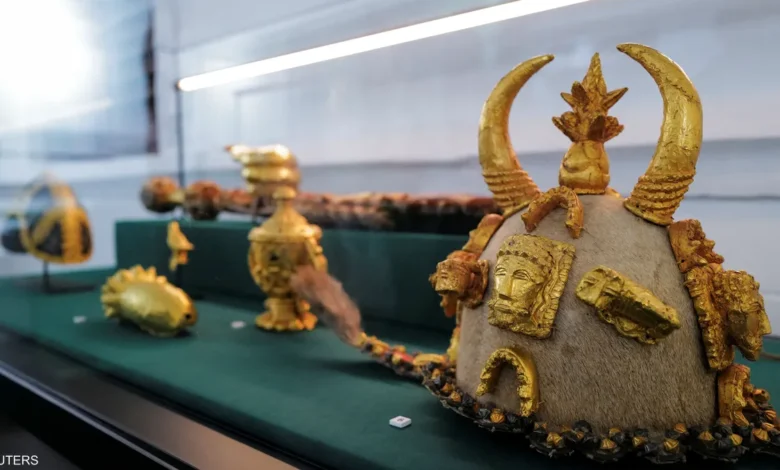
وفي مايو من العام 2024، عُرضت في غانا قلادات ذهبية وسيف وكرسي ملكي وعشرات الكنوز الأخرى التي نهبت خلال الحكم الاستعماري البريطاني، وذلك للمرة الأولى منذ عودتها التاريخية.
وقال الملك في المعرض الذي تزامن مع اليوبيل الفضي له “إن العناصر التي عادت هي في الواقع روح شعب الأشانتي”.
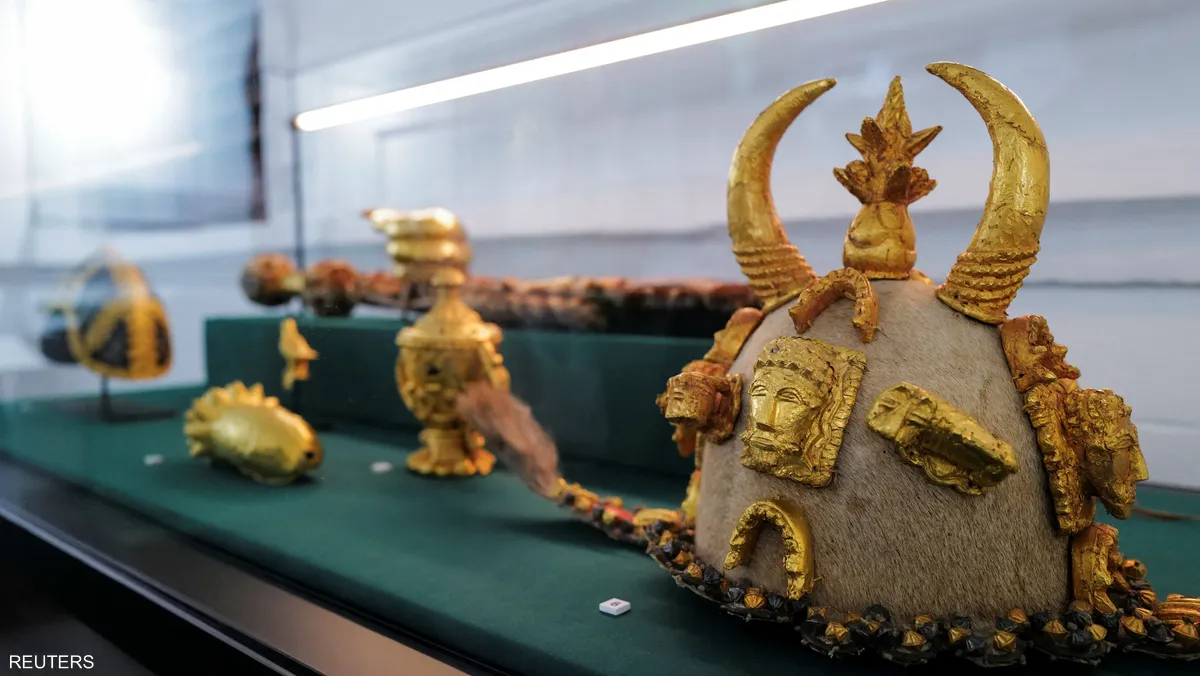
ونُهبت المقتنيات الذهبية خلال الاستعمار البريطاني لغانا في الفترة من 1821 إلى 1957، إذ اغتُنم الكثير منها في المعارك العنيفة مع مملكة أشانتي ووضعت في المتاحف.
وأعاد المتحف البريطاني ومتحف فيكتوريا وألبرت في لندن، ومتحف فاولر في جامعة كاليفورنيا، القطع الأثرية عام 2024 في إطار توجه عالمي متزايد لإعادة تقييم الموروث الاستعماري.
وقال أشانتيني إن المفاوضات لإعادة هذه المقتنيات استغرقت أكثر من 50 عاما.