Museveni will be sworn in as President of Uganda on May 12.
The date of Museveni's swearing-in as President of Uganda
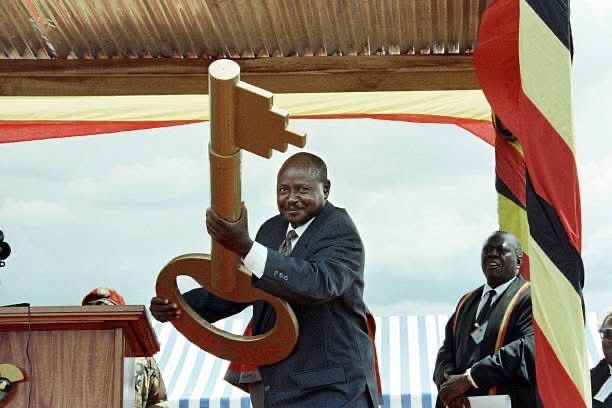
leads Ugandan President Yoweri Museveni will be sworn in for a new presidential term on May 12, 2026, in an official ceremony expected to take place in the capital, Kampala.
The inauguration ceremony is expected to be attended by a number of senior local officials, along with regional and international delegations, in an event that reflects the continuity of the current political leadership in the country.
This announcement comes as part of official preparations to organize the transfer of power in accordance with constitutional frameworks, as Ugandan authorities affirm their commitment to completing the legal and regulatory procedures for the inauguration of the elected president.
It is expected that Museveni will define the priorities for the next phase in the coming period, in light of the economic and political challenges facing Uganda and the region in general.
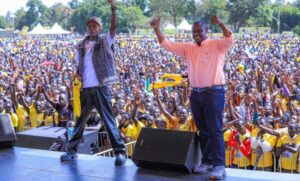
At a large rally held in Lira earlier, Ugandan President Yoweri Museveni called for strengthening national unity and refocusing on development efforts after the elections.
The event, which was held at Lango College, saw a large public turnout to welcome the president following his election victory. It was organized and supported by local leaders, including Ambassador Joseph Okwute, a native of the region.
Uganda's president urges leaders to transform
In his address to the audience, Museveni expressed his gratitude to the residents of Lango province for their support, stressing the need for political leaders to move to a new phase focused on providing services and achieving development instead of being preoccupied with political conflicts.
The president said that after the campaigns and elections are over, we must direct our efforts towards implementing government programs aimed at lifting citizens out of poverty, improving infrastructure, and combating corruption. .
Museveni pointed to the role played by various groups in supporting the National Resistance Movement party, including cultural and political leaders, businessmen and academics, considering this cooperation to be a fundamental pillar for achieving stability and development in the country.
The Ugandan president also recalled the political challenges the country faced during the 1960s and 1970s, praising the family of the late Muzi Anthony Okwute and his wife Caroline Akolo Okwute, considering that they reflect an aspect of the difficult history that Uganda went through.
He explained that that era was characterized by sectarian policies that drove many Ugandan talents into forced migration, before his government later worked to address these imbalances through legal reforms and the strengthening of the principles of inclusivity.
Museveni stressed that Ambassador Joseph Okwute's experience represents a model for restoring opportunities, noting that current policies seek to ensure that the mistakes of the past are not repeated, and to open the way for all citizens to contribute to building the state.