Written by: Qusay Ahmed
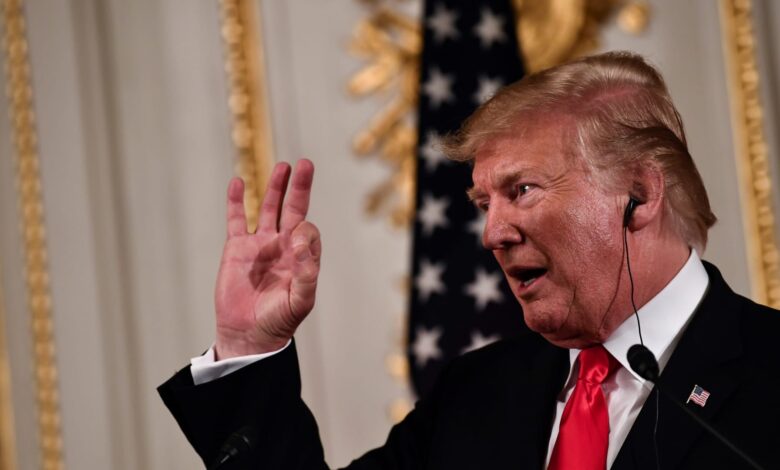
A call by an envoy of US President Donald Trump to exclude the Iranian national team from the upcoming World Cup and replace it with the Italian national team has sparked a wave of controversy, amid a clear overlap between politics and sports.
Iran excluded from the World Cup
According to media reports, Paolo Zampolli, the US envoy for global partnerships, suggested to both Trump and FIFA President Gianni Infantino the idea of including Italy in the tournament hosted by the United States, Canada and Mexico, despite its failure to officially qualify.
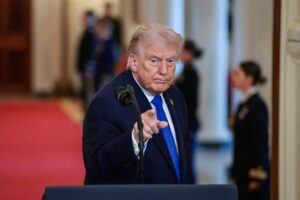
Zamboli justified his proposal by describing it as a dream to see the Italian national team, which has won four titles, in a tournament hosted by the United States, noting that the team's history gives it a moral right to participate.
However, the proposal did not go unanswered, as the Iranian embassy in Rome considered the proposal to reflect moral bankruptcy, stressing that qualification for the World Cup should be achieved through sporting competition and not through political considerations.
This invitation comes amid escalating geopolitical tensions, especially after the outbreak of war between Iran on one side and the United States and Israel on the other, which has cast a shadow over the Iranian team's participation in the tournament.
In contrast, Iranian authorities insisted on their right to participate, affirming the national team's readiness to deliver a strong performance at the World Cup. The Iranian Football Federation also indicated that it had held talks with FIFA regarding moving the team's matches outside the United States, a request that was rejected.
For his part, FIFA President Gianni Infantino confirmed that all teams will play according to the draw, indicating a rejection of any politically motivated changes.
This incident brings to mind previous attempts to mix politics with sports, raising questions about the independence of international sports institutions and their ability to maintain fair competition rules away from political pressures.