
South Sudan moves towards regional integration: full membership in the East African Community
A legal step that ends years of waiting
Written by Omnia Hassan
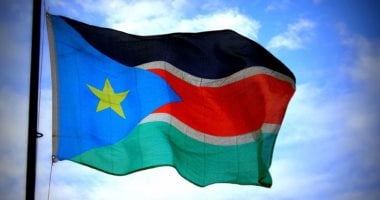
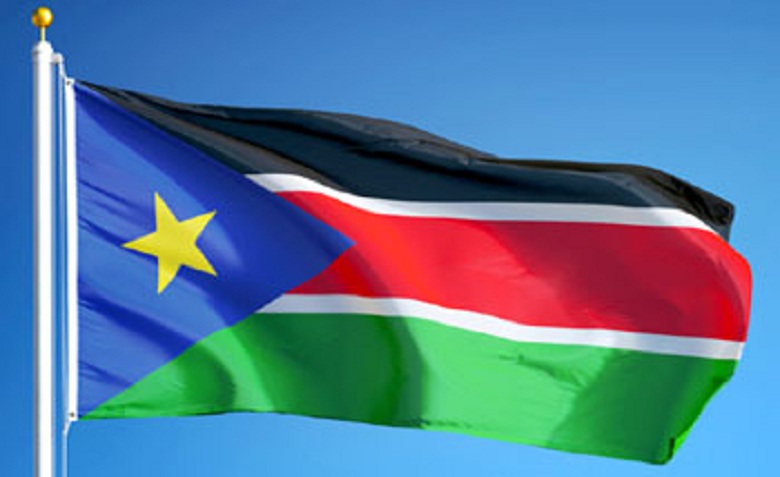
Analysts welcomed South Sudan's formal accession to the East African Community, following the president's signing of a bill that fully legalizes the country's membership in the regional bloc.
This step represents the culmination of a process that began with a request for membership in 2016, before Juba finally completed all the procedures required to become a full member.
This move is seen as a strategic shift in the country’s position within its regional environment, and an opportunity to strengthen its political and economic presence in the east of the continent.
Harmonizing laws and policies with the bloc's member states
According to Benj Gideon, former Undersecretary of the Ministry of East African Affairs, joining is not only a political matter, but also imposes broad legal and legislative obligations.
South Sudan must align its laws and policies with the frameworks adopted by the other member states.
This alignment includes vital areas such as trade facilitation, the free movement of people, goods and services, as well as coordination of monetary policies, ensuring institutional and economic harmony within the bloc.
An opportunity to strengthen institutional reform
Experts believe that full membership could provide a strong impetus for accelerating reforms within state institutions. These reforms include improving public financial management, developing budget preparation mechanisms, enhancing the efficiency of the tax system, and raising the standard of higher education.
Observers believe that adhering to the standards of the regional bloc may contribute to raising the efficiency of government performance and enhancing transparency and accountability.
Challenges of financial compliance
Despite the anticipated gains, financial challenges stand out as one of the most significant tests facing Juba. It is estimated that South Sudan owes the group approximately $10 million in arrears.
Gideon emphasizes that fulfilling these obligations is not merely a financial procedure, but a prerequisite for ensuring effective participation within the bloc's institutions.
A sustainable source of funding to ensure an active role
Experts stress the need for the government to identify a reliable and sustainable source of funding for its annual contributions, as irregular payments may limit the country’s ability to influence and participate in the group’s decisions, and weaken its position within the regional system.
With the legal process complete, a more complex phase now begins, requiring a genuine commitment to reforms and financial obligations, to ensure that the full benefit of this historic membership is realized.


