UNESCO adds South Sudan's antelope migration route to its list of endangered heritage
أول موقع لجنوب السودان على قائمة التراث العالمي
Written by: Mohamed Ragab
South Sudan has achieved an environmental and historical milestone after the natural landscape of animal migration between the Boma and Padingelu regions was included on the UNESCO World Heritage List.
This is the first site from South Sudan to be added to the list since the country's independence, a move that reflects the region's global importance as one of the world's largest wildlife migration areas.
One of the world's largest animal migrations
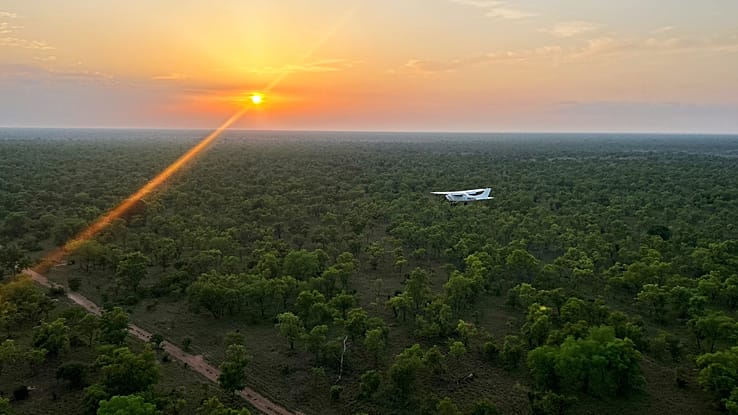
The Boma and Padingelu region extends over a vast area of more than 37,000 square kilometers between the White Nile and the Ethiopian border, and every year witnesses a mass migration of nearly one million gazelles, deer and other types of wild animals across the plains and grasslands.
Environmental experts confirm that this natural landscape represents one of the most important environmental phenomena in the African continent, due to its great biodiversity and pivotal role in maintaining ecological balance and the continuity of wildlife species in the region.
The site was added to the list of threatened sites.
Despite international recognition of the site's natural value, UNESCO decided to include it directly on the list of World Heritage in Danger, due to the challenges it faces, primarily armed conflicts, climate change, and human pressures that threaten the ecosystem and animal migration routes.
This classification aims to draw the attention of the international community to the risks facing the region, and to mobilize the necessary technical and financial support to protect the site and preserve its natural wealth for future generations.
Supporting protection and development efforts
The government of South Sudan welcomed the decision, affirming that it represents a historic milestone in wildlife conservation efforts. Local communities also expressed hope that the listing would contribute to strengthening environmental protection programs, supporting sustainable development, and creating new opportunities through ecotourism.
Experts believe that international recognition could help attract investments and projects aimed at protecting wildlife, improving the management of nature reserves, and promoting the participation of local communities in efforts to conserve natural resources.
A global message to protect natural heritage
The inclusion of the antelope migration route in South Sudan on the list of World Heritage in Danger confirms that the preservation of natural sites is no longer the responsibility of states alone, but has become a shared international responsibility, especially in light of increasing environmental challenges.
The decision represents an opportunity to strengthen international cooperation to protect one of the world's greatest natural migrations, and to ensure its continuation as an environmental and human legacy that reflects the richness and natural diversity of the African continent.