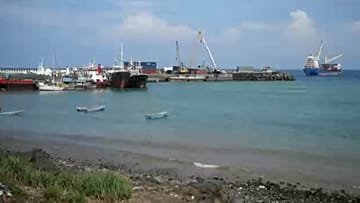
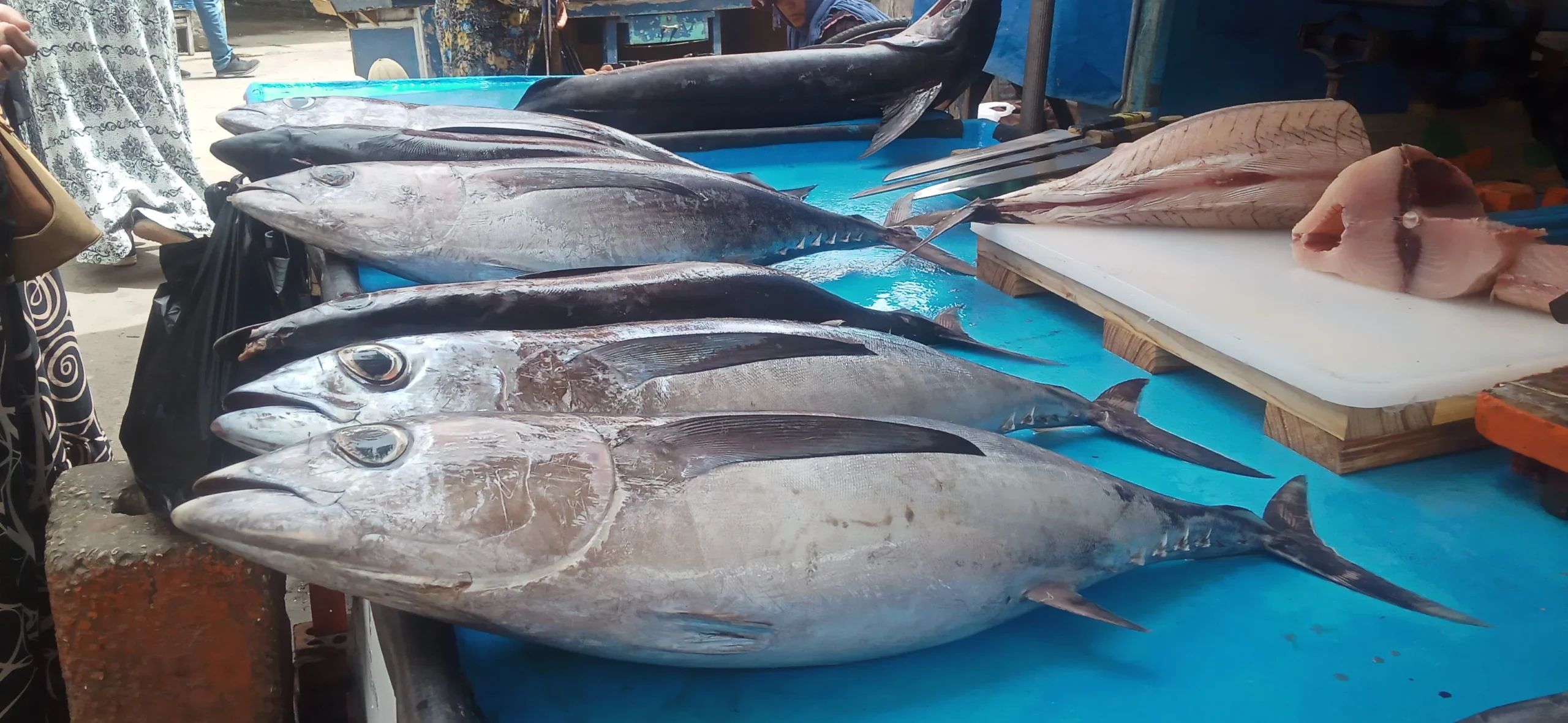
The stubborn tuna isn't just for the West... Libya prepares for a new fishing season against the waves.
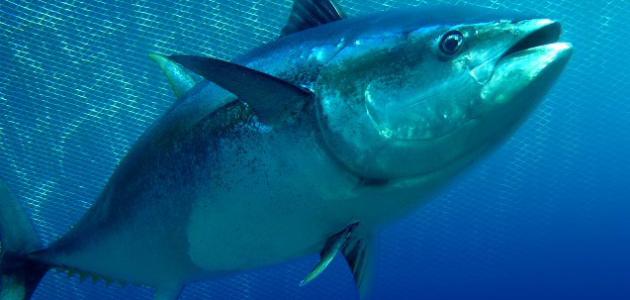
Many people believe, when talking about tuna fishing or as it is called in documentary channels, “the stubborn tuna” and stories of conflict with ocean waves, that the scene is limited to the fleets of Western countries in the Atlantic or the distant coasts of Japan, but the truth lies in the heart of the Mediterranean Sea, specifically along 1770 kilometers of the Libyan coast, where every year a chapter of excitement begins that is no less fierce than what we see in international documentaries.
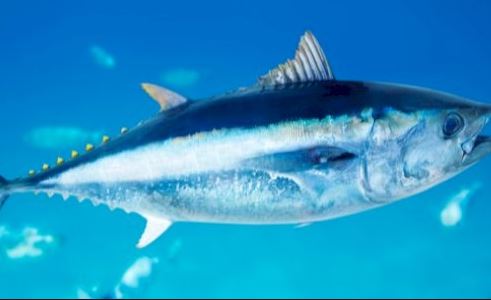
Libya is not just a country of oil and sand, but a haven for the largest schools of bluefin tuna, the most expensive and in-demand in the world. With the arrival of the “season”, Libyan ports from “Zuwara” in the west to “Tobruk” in the east turn into beehives that never rest, where the Libyan popular heritage in fishing is mixed with the latest technologies of the marine fleets.
Here, tuna fishing is not just a craft, but an annual ritual awaited by “sailors” to chase the blue gold that crosses Libyan territorial waters in an epic migration journey, placing Libya as a key player and a difficult number on the map of food and economic security in the Mediterranean basin.
Tuna fishing season in Libya
During the past few hours, the head of the Administrative Control Authority in Libya, Abdullah Qaderbouh, discussed with the Minister of Marine Resources, Adel Sultan, the mechanisms for organizing the tuna fishing season for the year 2026, during a meeting held at the headquarters of the Authority’s office in the capital, Tripoli, as part of efforts aimed at strengthening control over the marine resources sector and ensuring the sustainable management of fisheries resources.
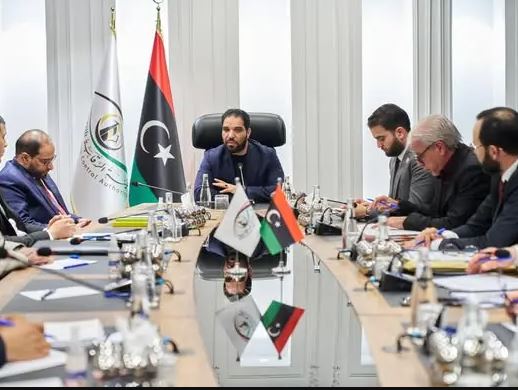
The meeting was attended by the Chairman and members of the Tuna Fishing Season Follow-up Committee, along with a number of specialized committees from the Ministry of Marine Resources. Discussions focused on developing mechanisms to regulate the season in a way that achieves optimal exploitation of fish stocks and ensures a balance between environmental sustainability requirements and economic returns.
Distribution of tuna fishing quotas
The participants in the meeting stressed the importance of distributing tuna fishing quotas fairly among beneficiaries, while emphasizing the need to enhance transparency in all stages of organizing the season, in order to contribute to achieving the maximum possible benefit for the country from this vital marine resource.
The meeting also addressed the issue of settling financial obligations in accordance with applicable legislation, with the aim of ensuring the collection of revenues due to the public treasury, and addressing the financial problems related to marine fishing activity during previous seasons.
The attendees also discussed the ongoing preparations for the start of the tuna fishing season for 2026, in addition to reviewing and settling the outstanding financial obligations of some ship owners who participated in the seasons between 2018 and 2022, in a way that preserves the rights of all parties according to the approved quotas for each season.
Tuna fishing season 2026
The meeting addressed opening investigations into violations recorded during past seasons, based on reports from the follow-up committee formed by the Administrative Control Authority, with the aim of determining responsibilities and taking the necessary legal measures against violators.
The participants stressed the need to impose accompanying oversight on all procedures related to the 2026 tuna fishing season, while strengthening coordination between the concerned authorities and raising the level of supervision of the sector, in order to improve overall performance, enhance the efficiency of marine resource management and ensure its long-term sustainability.
This move comes in the context of the efforts of regulatory and executive institutions in Libya to reorganize the marine fishing sector, in light of the challenges associated with the sound management of natural resources, and the pursuit of sustainable economic returns that support the national economy.