Ghana's Most Famous Crops: Crops Driving the Economy and Supporting Food Security
Agriculture is a fundamental pillar of the Ghanaian economy.
Written by: Mohamed Ragab
Agriculture in Ghana is one of the most important economic sectors, contributing about one-fifth of the GDP and providing employment for more than a third of the population.
The country's agricultural sector is characterized by crop diversity, thanks to the tropical climate and the availability of rainfall in most parts of the country, making Ghana one of the most prominent agricultural countries in West Africa.
The Ghanaian government seeks to develop agricultural production by expanding the use of modern technologies, improving rural infrastructure, and increasing the added value of crops through agro-processing, thereby boosting exports and raising farmers' incomes.
Cocoa: Ghana's Brown Gold
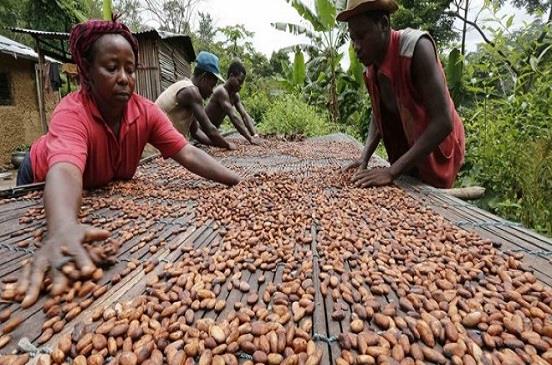
Cocoa is Ghana's most important cash crop, and the country ranks second globally in its production after Ivory Coast. Cocoa is a major source of foreign exchange, and millions of families depend on it for their livelihoods.
Ghana exports high-quality cocoa beans to global markets, which are used in the production of chocolate and various food products. The government aims to increase local cocoa processing to achieve greater economic value.
Corn and cassava are the foundation of local food.
Corn is at the forefront of the most cultivated food crops, as it is used in preparing many traditional foods and is also used in the livestock feed industry.
Cassava is one of the most widespread crops in the country, thanks to its ability to withstand different climatic conditions. It is used in the production of flour, starch, and many food products, in addition to its use in some industries.
Rice, yam, and banana
Rice cultivation has seen remarkable expansion in recent years as part of the government's efforts to reduce reliance on imports and achieve greater self-sufficiency.
Yam holds an important place in the diet of Ghana's population, alongside bananas and plantains, which are staple crops in tropical regions and represent a significant source of income and food.
Palm oil and tropical fruits
Ghana is also famous for its oil palm cultivation, which is used in the production of edible oils and various industries, as well as for export to foreign markets.
The country produces large quantities of pineapple, mango, orange, and citrus fruits, which are crops in increasing demand in regional and international markets, making them among the most important agricultural exports.
Future challenges and opportunities
Despite the great potential of the agricultural sector, it faces challenges related to climate change, fluctuating rainfall rates, rising production costs, and inadequate storage and transportation facilities.
In contrast, the Ghanaian government, in cooperation with its international partners, is implementing programs to support farmers, improve seeds, expand agricultural extension services, and encourage investment in agro-processing, thereby enhancing food security and increasing the competitiveness of Ghanaian products in global markets.