Mauritius launches a 405 MW renewable energy program
Expanding the role of the private sector in the energy market
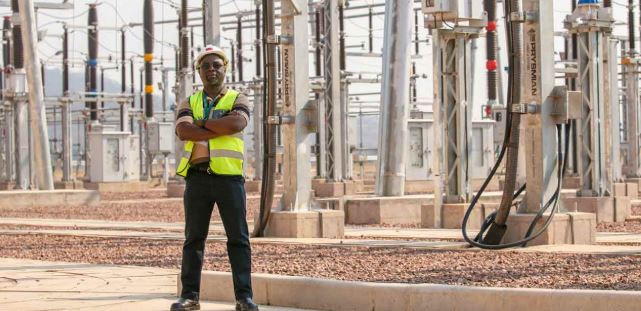
The Mauritian government has announced a series of renewable energy projects totaling 405 megawatts, as part of its efforts to boost electricity supply, reduce reliance on fossil fuels, and address persistent energy pressures.
The projects, unveiled by Mauritius' Minister of Energy and Public Utilities Patrick Acervadene, are expected to be implemented over three years, following consultations with key institutions including the Central Electricity Board and the Mauritius Renewable Energy Agency, according to the Mauritius Government Information Service.
Hybrid renewable energy facilities
The program combines multiple energy sources and technologies, including hybrid renewable energy facilities that integrate photovoltaic solar power systems with battery energy storage systems to provide approximately 120 MW, along with a 100 MW energy storage unit to stabilize supply. Additional measures include a floating solar power plant with a capacity of up to 20 MW at the Tamarind Falls reservoir, expanding wind power capacity by up to 20 MW, and deploying 20 MW of battery energy storage to meet peak evening demand.
Authorities are also working to expand distributed power generation, with plans including the installation of 100,000 residential solar panels, the liberalization of residential solar systems with a capacity of less than 10 kilowatts, and a 20-megawatt carbon-neutral project targeting commercial users such as shopping malls and large corporations. The agricultural solar program, which allows farmers to combine farming with solar power generation, has received 39 applications, with 18 projects approved.
Restrictions on energy supplies in Mauritius
This initiative comes at a time when Mauritius is facing energy supply constraints due to external shocks, including geopolitical tensions affecting global energy markets. According to the government, this new capacity aims to improve the stability of the electricity grid and ensure a more resilient power system.
A key feature of the program is opening the renewable energy market to private sector investors and developers, with the private sector expected to develop numerous projects. Three hybrid projects, with a total capacity of 30 megawatts, are scheduled to begin implementation in September as part of the “Stor Sun” initiative.
This policy direction is in line with broader efforts to diversify energy sources and reduce reliance on imported fuels. By prioritizing projects with storage capacity and implementing regulatory measures to reduce electricity waste, Mauritius seeks to better manage demand and integrate intermittent renewable energy sources into the grid.