Written by: Mohammed Omran
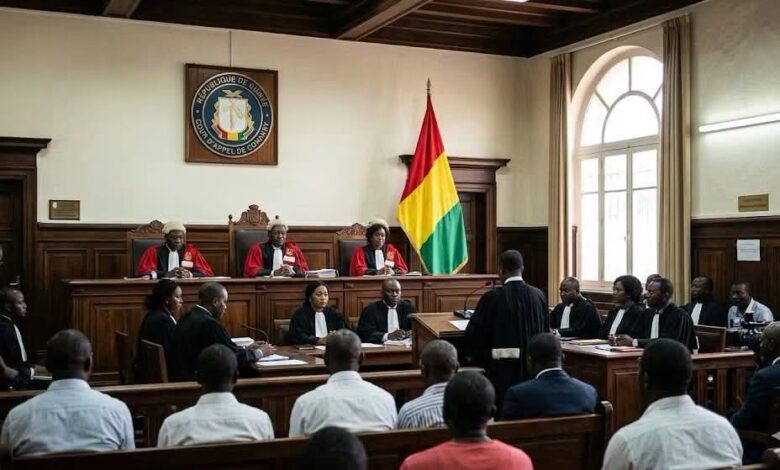
The Court of Appeal issued Special Court The Economic and Financial Crimes Commission (CRIEF) issued its final ruling in the case of Ibrahima Cherif Bah, the former governor of the Central Bank of the Republic of Guinea, at the conclusion of legal proceedings that began in 2024.
Guinean court sentences former central bank governor to prison
The former finance official was convicted of embezzling public funds and sentenced to prison, in addition to a legal obligation to return millions of dollars that mysteriously disappeared from the bank's accounts.
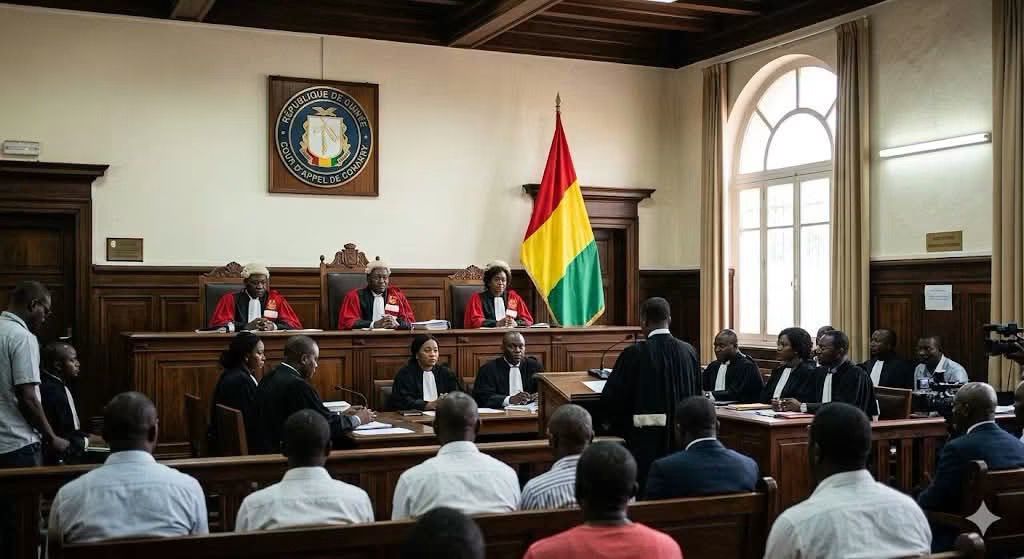
This ruling represents a significant turning point in the fight against corruption at the highest levels of the Guinean state, confirming the judicial system's commitment to recovering embezzled funds and severely punishing mismanagement of national assets.
South Africa's Court of Appeal rules in favor of the family regarding Lungu's burial.
In a separate development, South Africa’s High Court of Appeal ruled in favor of the family of former Zambian President Edgar Lungu in the case concerning the place and manner of his burial, thus ending a long-running legal dispute between the family and the Zambian government.
The court overturned a previous ruling by the Gauteng High Court in 2025, which had allowed the Zambian government to transport the body of the late president and bury him in Zambia with full state ceremonies, affirming the family's right to make the final decision regarding burial arrangements.

The court, in its ruling issued on Tuesday, confirmed that the Zambian government had not provided sufficient legal grounds to override the wishes of the Lungu family, noting that constitutional principles in South Africa guarantee the protection of dignity, privacy, and the rights of next of kin in matters of burial.
A final ruling in favor of the family of former Zambian President Edgar Lungu
The court stressed that the family has the full right to determine where and how the former president is buried, based on the general law that gives the deceased's relatives priority in such decisions, unless there are clear legal justifications to the contrary.
The court also rejected the Zambian government's claims that there was an agreement or custom allowing it to interfere in the funeral arrangements, asserting that the evidence presented by the family was more compelling and clear in this regard.