From recognition to compensation: Africa and the Caribbean reopen the slavery file.
Ghana to host international summit to unify demands for reparations for slavery
Written by: Badr Ahmed
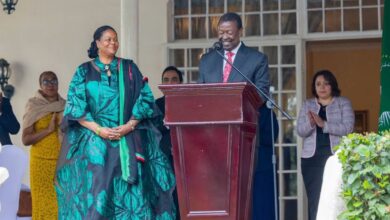
A three-day international summit, which brought together African and Caribbean nations, along with representatives of the African diaspora and international partners, concluded in the Ghanaian capital, Accra, with the aim of uniting efforts to demand reparations for centuries of slavery, colonialism, and the transatlantic slave trade.
Africa confronts the West over the issue of reparations for slavery and colonialism.
The summit, held at the historic Osu Castle, saw the adoption of a joint 19-point action plan entitled Accra's Next Steps, which included a set of demands that participants described as a roadmap for moving from the stage of acknowledging historical grievances to the stage of working to achieve reparative justice.
Key demands include formal and unconditional apologies from countries that benefited from the slave trade and slavery, along with the creation of a global compensation fund, debt relief for historically affected countries, and reform of international financial institutions to ensure fairer representation for African and Caribbean countries.
The plan also called for the return of looted cultural property and artifacts, the repatriation of the remains of ancestors forcibly removed during the era of the slave trade, as well as funding for climate and development justice programs and addressing the ongoing social and economic impacts of slavery, particularly those affecting women and girls of African descent.
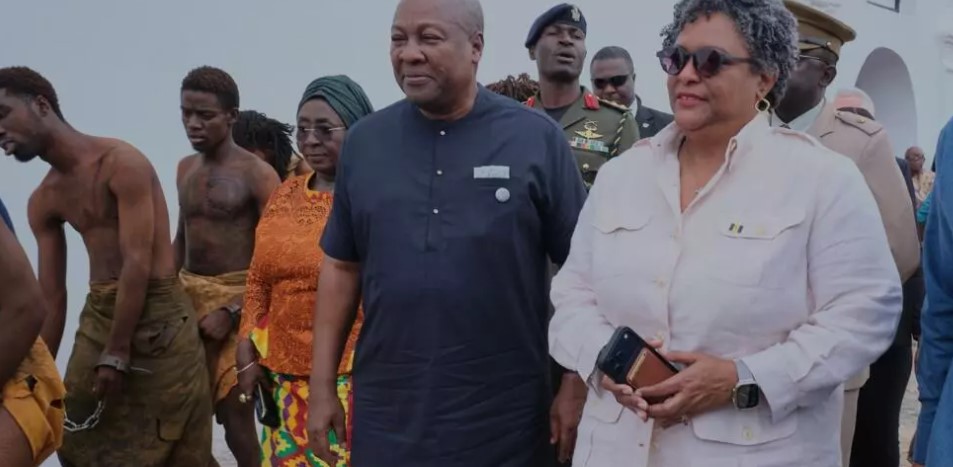
Ghanaian Foreign Minister Samuel Okudzieto Ablako stressed that the summit represents the beginning of a new phase of joint coordination, saying that the participating countries decided to overcome disunity and work with one voice on the international stage to defend the rights of peoples affected by the legacy of slavery and colonialism.
The plan was jointly adopted by the African Union and the CARICOM Compensatory Justice Commission, and is to be presented during the next United Nations General Assembly, in an effort to garner broader international support for these demands.
For his part, Ghanaian President John Dramani Mahama stressed that the issue is not about inheriting guilt, but about taking historical responsibility for the enduring legacy of slavery. He also called for full recognition of the scale of the injustices suffered by African peoples and their descendants.
These moves come months after the United Nations adopted a resolution recognizing the transatlantic slave trade as one of the most serious crimes against humanity, giving new impetus to efforts to achieve historical justice and redress its far-reaching effects across generations.