Europe and Africa in the age of artificial intelligence: between the innovation revolution and the challenges of digital disinformation.
When imagination becomes reality
Written by Omnia Hassan
In early June, a deepfake video sparked widespread controversy in Africa, showing the Namibian president delivering a fiery speech against foreign exploitation.
Despite the fake content, the video spread rapidly in Africa and the Caribbean, revealing the fragility of digital awareness and the weakness of media literacy in the face of AI-produced content.
Digital disinformation that goes beyond borders
The challenge is not limited to the spread of misinformation, but extends to the ability of artificial intelligence to reshape public opinion and influence political and economic stability.
With weak verification tools in some areas, communities become more susceptible to believing false narratives that spread through social media platforms, even after they have been officially denied.
Africa is a promising market and strategies are evolving
Brookings estimates that the artificial intelligence market in Africa could approach $20 billion by 2030, with rapid growth in European investments.
In response, several African countries have launched national strategies and regulations to address the risks of artificial intelligence, including cybercrime and disinformation campaigns.
Europe: Between Opportunity and Risk
Despite its technological progress, Europe still faces similar challenges in combating misinformation targeting businesses and markets. Recent incidents have shown that digital rumors are capable of affecting consumer confidence and causing financial losses, even after they have been officially denied.
Towards a more conscious digital partnership
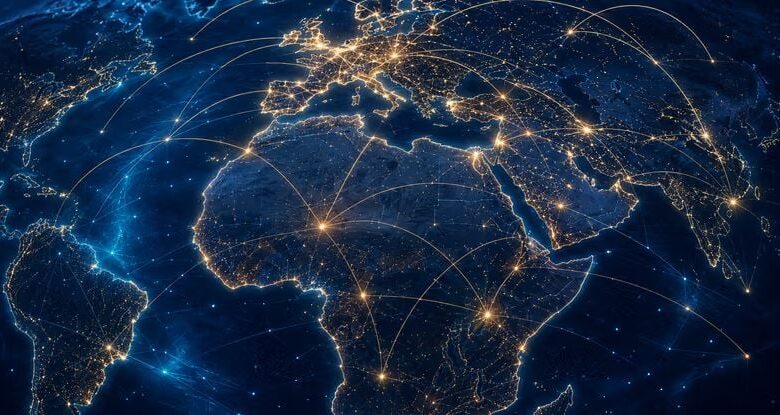
Experts warn that the lack of coordination between Europe and Africa in the field of artificial intelligence could exacerbate global risks. In addition to growth opportunities, the future requires investment in digital culture, building stricter verification systems, and strengthening cooperation to counter information manipulation, which has become an economic and political weapon in the digital age.
Digital education is the first line of defense against misinformation.
With the rapid development of artificial intelligence technologies, digital education stands out as one of the most important tools for societal protection. Enhancing critical thinking skills and training individuals to distinguish between real and fake content has become an urgent necessity no less important than the development of the technology itself.
Experiences from several countries indicate that investing in media literacy significantly reduces the impact of disinformation campaigns and gives societies a greater ability to interact consciously with digital content, rather than passively consuming it.