Malindi: A jewel of the Kenyan coast and a haven for marine tourism and safari
Tourism in the Kenyan city of Malindi
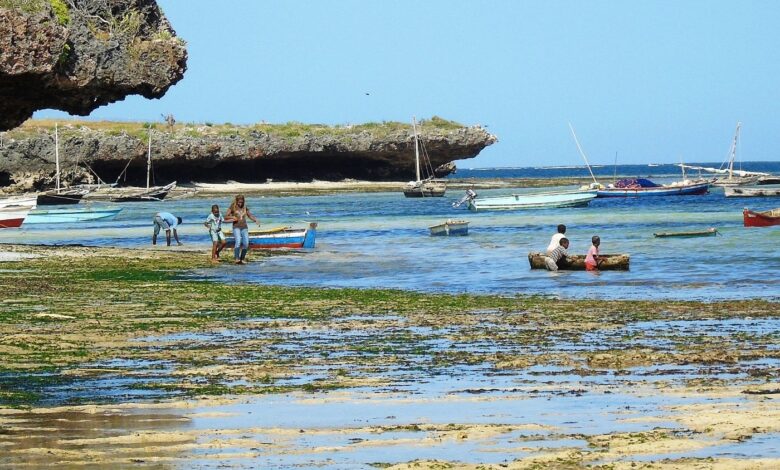
On the shores of the Indian Ocean, where ancient history meets pristine natural beauty, the Kenyan city of Malindi stands as one of the most prominent tourist destinations in East Africa. This coastal city, located about 120 kilometers northeast of Mombasa, combines an ancient Islamic heritage, a rich marine life, and tourist attractions that have made it a global destination, especially for Italian tourists who prefer it to other cities on the Kenyan coast.
The history of Malindi is closely linked to the Islamic presence in East Africa. Maritime trade, Arab migrations, and exploration movements played a pivotal role in establishing Islam in the region.
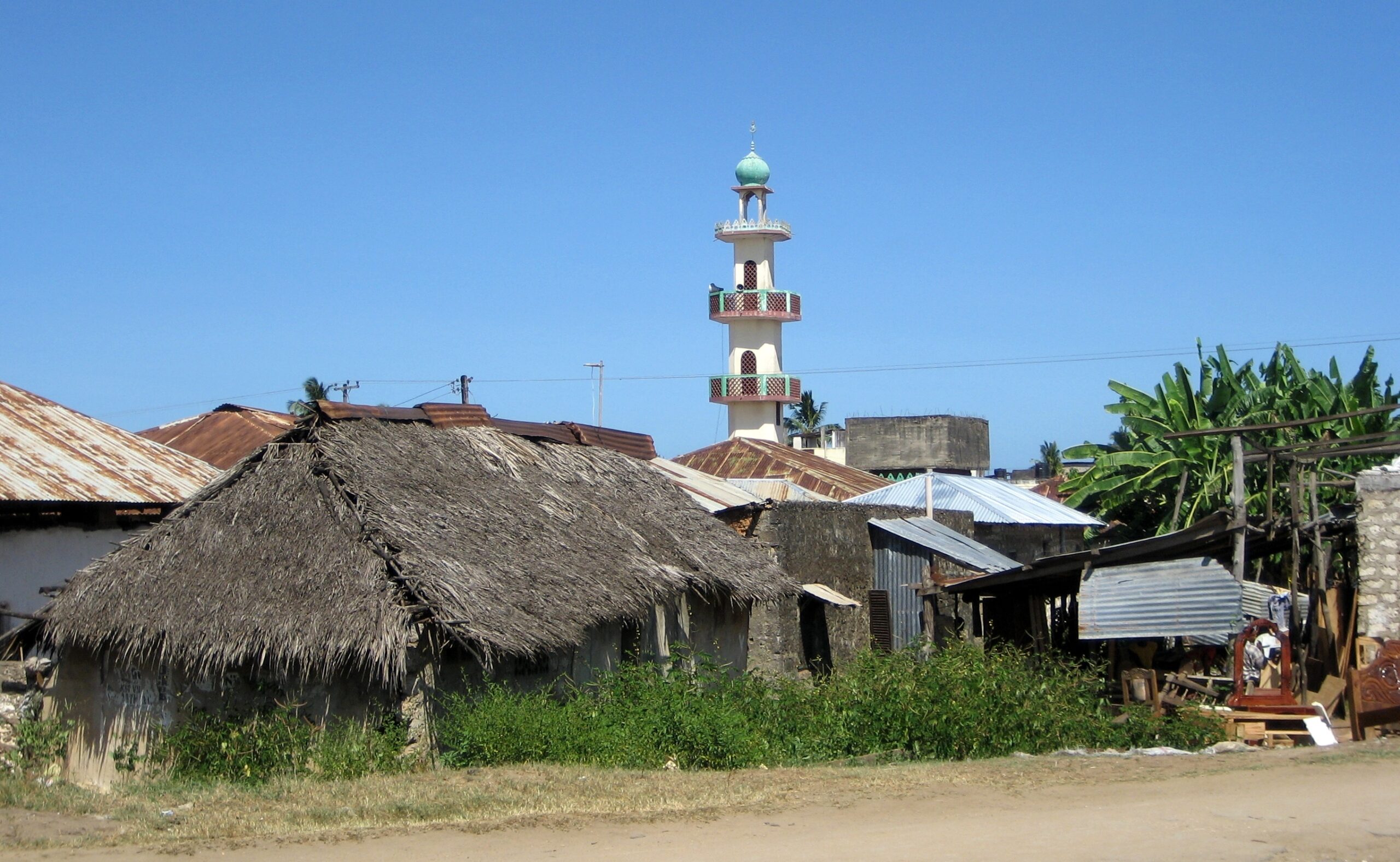
Historical sources indicate that the Muslim Arabs founded the city and remained its primary cultural and religious force, as evidenced by its Islamic landmarks that still stand today.
Sea and tourism
The inhabitants of Malindi, most of whom are Black, rely on fishing and the trade in animal hides and wool, while tourism provides an additional and important economic resource. The city has a local airport connecting it to the outside world, and the highway linking Mombasa to Lamu passes through it, facilitating travel for tourists and visitors.
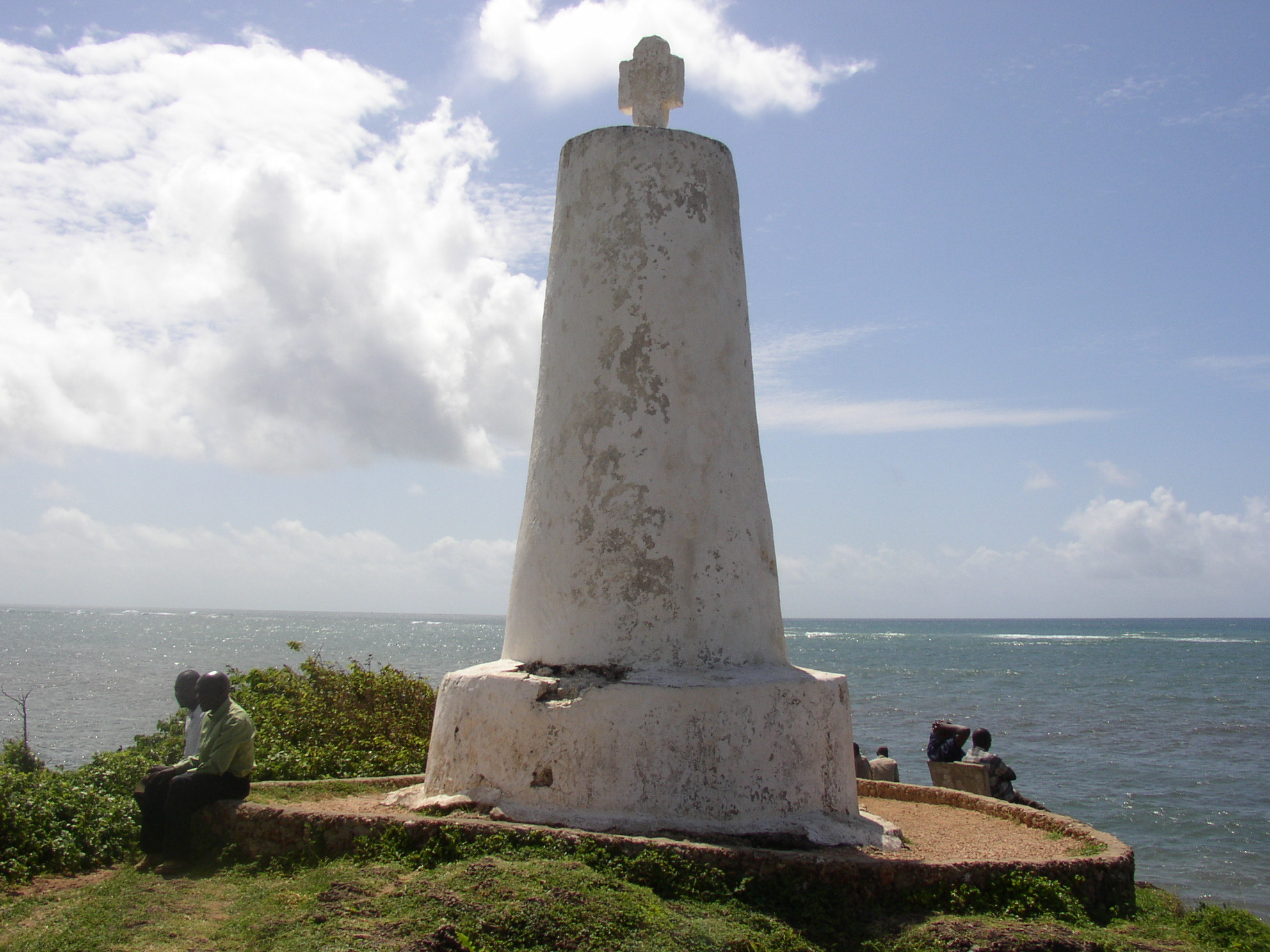
World tourist attractions
Malindi boasts a number of natural and tourist attractions that have made it a favorite destination for adventure and sea lovers, most notably:
Watamu Marine Reserve: Established in 1968, it is one of the most important reserves listed on the World Heritage List, due to its whales, sharks and rare types of marine life.
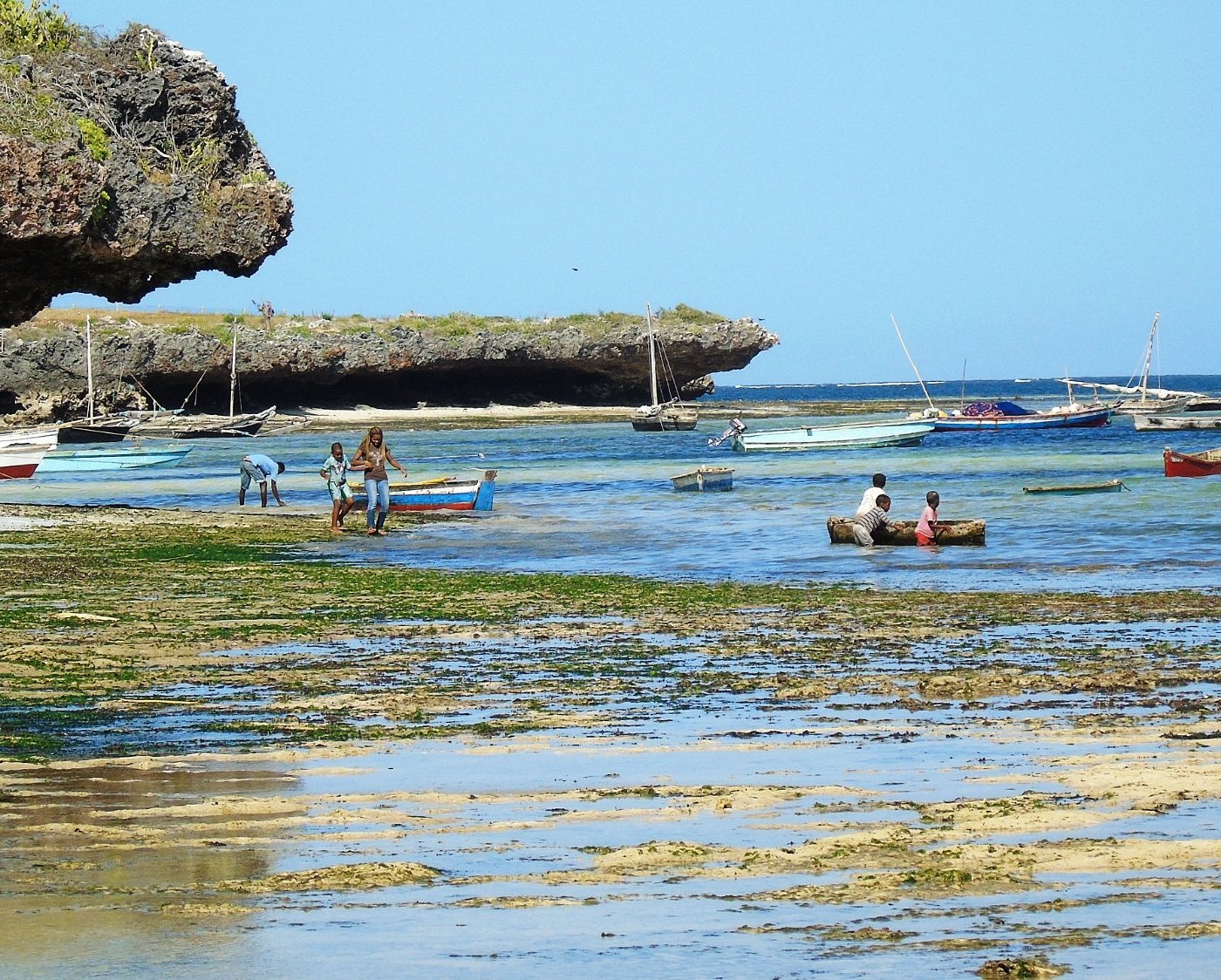
Malindi Marine National Park: Famous for its clear turquoise waters and colorful coral reef gardens, it is an ideal haven for snorkeling, glass-bottom boating, and relaxing on protected beaches.
Malindi is not just a tourist city; it is a living testament to the intermingling of civilizations and cultures in East Africa. A historical rest stop for merchant ships bound for India, it once replenished its water and supplies, and today it has become a global tourist destination for those seeking nature, history, and tranquility.