Eswatini declares its complete rejection of gender reassignment and any unnatural relationships in the Kingdom
Customs and culture of the Kingdom of Eswatini
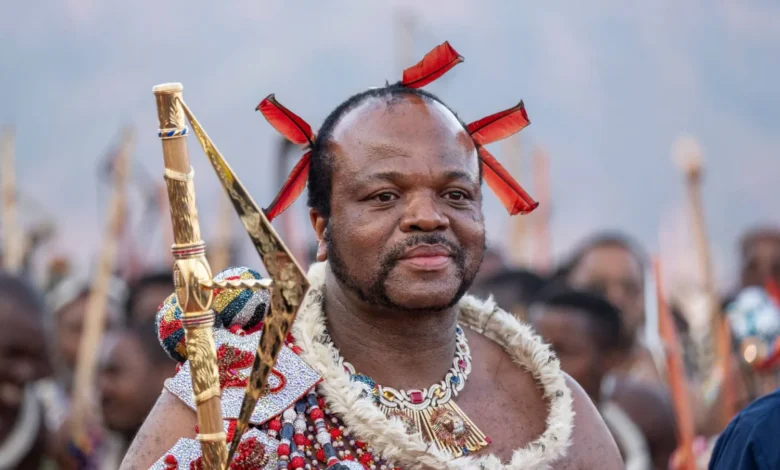
King Mswati III emphasized the Kingdom of Eswatini’s stance against homosexual relationships and any practices related to gender reassignment, during the “Good Friday” service held at the royal residence of Ngabezoweni.
The King’s remarks came in response to a topic raised by Bishop Sifu Simelane regarding unconventional sexual relations, where His Majesty explained that these practices, despite their increasing prevalence in other parts of the world, will not find a place in Eswatini, stressing that the Kingdom will not yield to any external pressure in this regard.
The king also cited the biblical story of Sodom and Gomorrah, noting that religious history shows how such practices have been condemned throughout the ages.
With this stance, Eswatini affirms its adherence to traditional and cultural values, declaring its complete rejection of any change in sexual identity or relationships that it considers “unnatural” within the borders of the kingdom.
Kingdom of Eswatini
The Kingdom of Eswatini, formerly known as Swaziland, is a small, landlocked country located in southern Africa, bordered by South Africa to the west and south and Mozambique to the east.
It covers an area of about 17,000 square kilometers and is inhabited by slightly more than one million people, mostly Swazis. The country is characterized by its mountainous nature and temperate climate. It is also one of the last absolute monarchies in the world, where King Mswati III enjoys broad powers that include legislation and implementation.
The administrative capital of the kingdom is Mbabane, while the royal and legislative capital is Lobamba. Eswatini gained its independence from Britain in 1968, and in 2018 the king changed the country's name to "Eswatini" to reflect its national identity and move away from its previous colonial name.
Economy of the Kingdom of Eswatini
The Kingdom’s economy is based on agriculture and light industries such as sugar, coal and wood, in addition to some natural resources such as asbestos and hydroelectric power.
Despite being classified as a lower-middle-income country, it faces significant challenges such as high unemployment rates and widespread poverty.
Customs of the Kingdom of Eswatini
Culturally, Eswatini adheres to its Swazi customs and traditions, with annual royal celebrations reflecting national identity. Christianity is the most widespread religion alongside traditional beliefs. Despite its limited size, it maintains its political and cultural distinctiveness and is known for its adherence to traditional values and its rejection of external pressures on many issues, making it a unique case in the contemporary African landscape.