Why is the risk of contracting Ebola during the 2026 World Cup low?
Strict control measures are in place for those arriving from affected areas.
Written by Ziad Abdel Fattah:
Infectious disease experts in the United States have confirmed that the risk of Ebola cases arriving in the country during the 2026 World Cup remains very low, but not zero, noting that the American health system is much better prepared to deal with any potential emergency than it was during the outbreak of the epidemic in West Africa in 2014.
The United States, along with Canada and Mexico, will host the 2026 World Cup, with expectations of welcoming around 6.5 million fans over 39 days of competition comprising 104 matches, prompting health authorities to raise the level of preparedness to confront any threats related to infectious diseases.
Previous experience in the health response system

This preparedness is based on previous experiences gained by the United States after the incident of the arrival of infected Liberian Thomas Eric Duncan in Dallas in 2014, an incident that revealed gaps in the health response system and led to the launch of funding and training programs worth more than $260 million to enhance preparedness to confront serious epidemic diseases.
Dr. Gavin Harris, an infectious disease expert at Emory University in the United States, said that his country is more prepared than ever to deal with highly dangerous diseases, stressing that preventing transmission completely is not possible, but the opportunities for early detection, isolation and treatment are much greater.
The spread of the disease in Congo is raising concerns
Although the US Centers for Disease Control and Prevention, the World Health Organization, and the Pan American Health Organization have classified the risk of Ebola spreading during the tournament as low, the ongoing outbreak in the Democratic Republic of Congo, which has infected hundreds and killed more than 135 people, continues to worry health authorities.
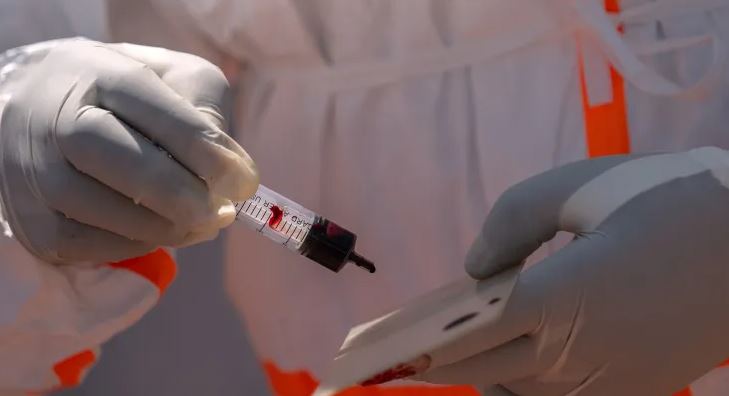
Dr. Tom Frieden, former director of the Centers for Disease Control and Prevention, explained that the Ebola virus is not transmitted through the air or through ordinary contact, but requires direct contact with the body fluids of an infected person, which makes the chances of it spreading among the masses extremely limited.
As part of preparations for the tournament, US health authorities conducted drills simulating outbreaks of infectious diseases during major sporting events, and issued guidelines for doctors and health workers to deal with diseases that may be unfamiliar in some states, such as malaria, dengue fever, chikungunya, and Middle East respiratory syndrome.
The United States, Canada, and Mexico have also imposed strict control measures on arrivals from areas affected by the Ebola outbreak, including travel restrictions and additional screening of travelers, with the aim of reducing the chances of the disease spreading to host countries.
FIFA, in cooperation with local health authorities, has formed specialized medical committees in the host cities to assess the health risks associated with teams and fans coming from around the world, relying on advanced monitoring systems that include analysis of sewage data and electronic medical records to detect any early signs of disease outbreaks.
Conversely, a number of experts have warned that recent staff reductions at the Centers for Disease Control and Prevention, coupled with the pressures facing local health departments due to measles outbreaks in several states, could affect the speed of response to any potential health crisis.
Despite these challenges, health officials assert that the current monitoring and response system is capable of handling potential risks during the tournament, with continued coordination between local and federal health authorities and FIFA to ensure the safety of players and fans.