Displaced Sudanese women face the risk of death as aid dwindles
Warnings of an impending disaster
Written by: Mohammed Omran
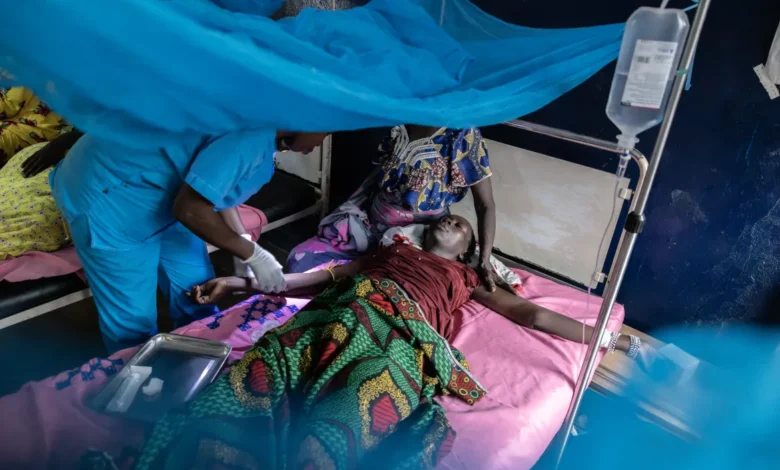
The suffering of refugee women is worsening Sudanese women Fleeing from the war in Darfur, there are growing fears of a collapse in maternal health services in northeastern Central African Republic, as a result of recent cuts in US foreign aid. In a region already suffering from fragile health infrastructure and high maternal mortality rates, thousands of pregnant women are facing increased risks during pregnancy and childbirth, amid UN and humanitarian warnings of an impending catastrophe that could claim more lives if funding for basic medical services continues to decline.
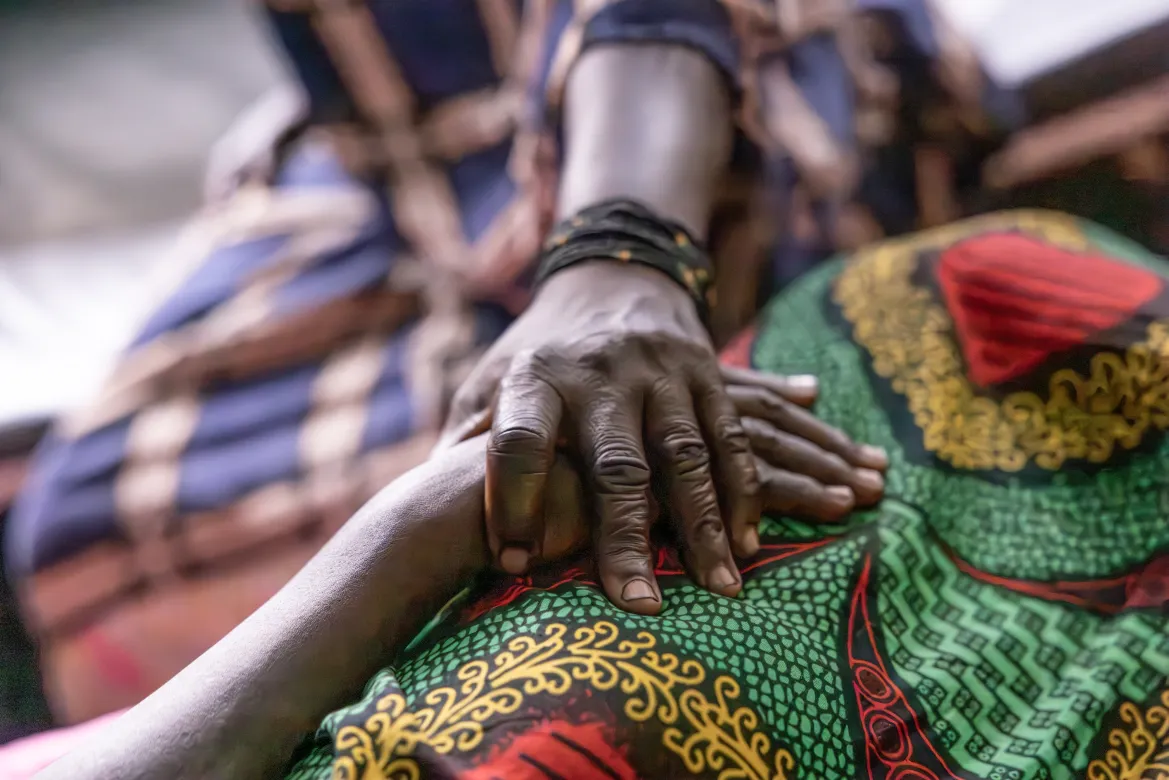
Aid agencies have warned that Sudanese refugee women in northeast Central African Republic face an increased risk of death during childbirth, as cuts in US funding have impacted already fragile maternity services.
Warnings of a birth catastrophe for Sudanese refugee women in Central Africa
Tens of thousands of people have fled the fighting in Sudan’s Darfur region to the remote Vakaga province in the Central African Republic, straining a health system that was already struggling even before the arrival of the newcomers.
The Central African Republic is among the countries with the highest maternal mortality rates in the world, and this massive influx has pushed the few functioning health facilities to the brink of collapse, according to humanitarian aid organizations.
US funding cuts exacerbate birth risks for Sudanese refugee women
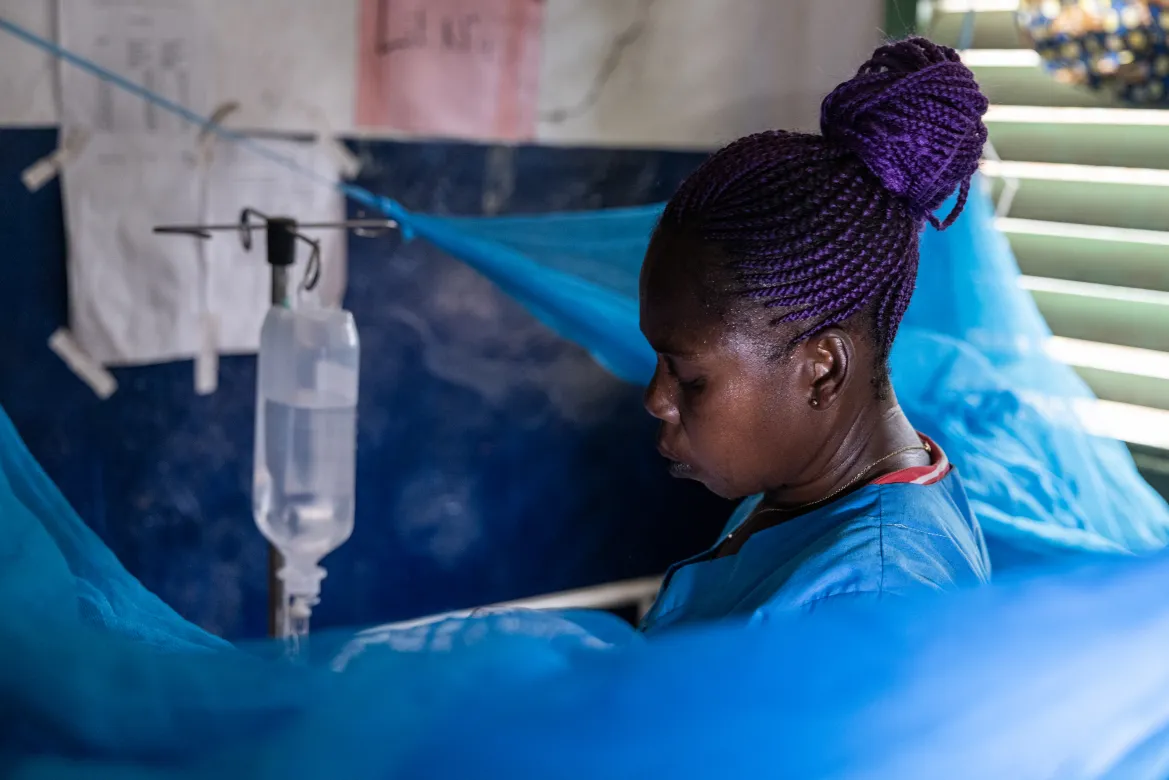
In and around the small town of Birao, near the Sudanese border, a handful of clinics supported by the United Nations Population Fund provide prenatal screening, emergency obstetric care, and basic delivery services to both refugees and local residents. These services rely heavily on international funding, including contributions from the United States that have helped cover the costs of midwives, medicines, and equipment.
Aid organizations say U.S. foreign aid cuts are forcing them to reassess their programs and staffing levels at a time when needs are increasing, and some facilities have already reduced the number of night-shift staff and outreach activities, raising concerns that more women will give birth at home without specialist assistance or life-saving drugs.
The refugee women, who arrived after a grueling journey of days through the jungle while pregnant, face multiple risks. Malnutrition, malaria, and untreated infections are common. Many report that they had not seen a midwife before arriving in the Central African Republic and have little information about danger signs during pregnancy. Health workers say that complications such as obstructed labor, bleeding, and pre-eclampsia are common, and these conditions can be fatal if not addressed quickly.
A funding crisis threatens the lives of pregnant Sudanese women in Central Africa.
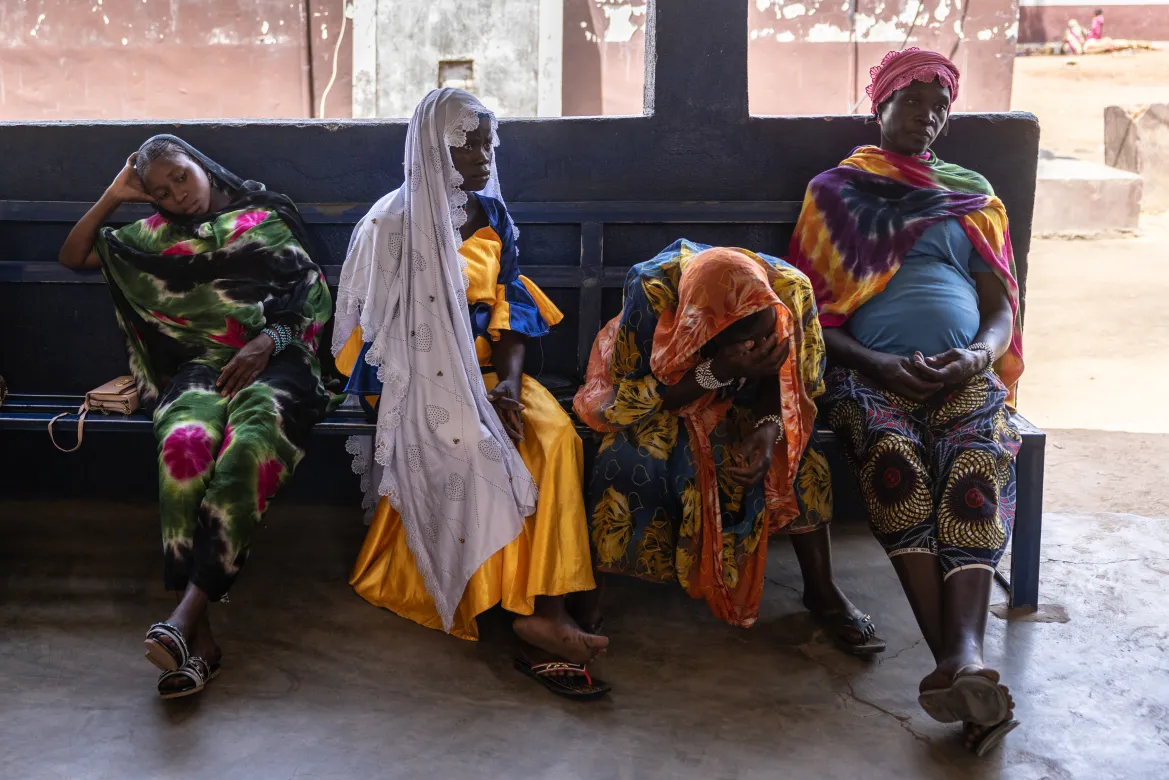
Local women in Vakaga are also affected. With limited roads, insecurity, and a shortage of ambulances, reaching the nearest clinic can take hours, and when health facilities suffer from shortages of supplies or medical staff, families often resort to traditional midwives or postpone seeking medical care until it is too late.
Declining international support exacerbates the suffering of pregnant Sudanese refugee women.
United Nations officials and NGOs warn that further funding cuts could lead to the closure of some maternity wards, a reduction in the number of trained midwives, and a curtailment of emergency referral systems, which would undermine recent gains in encouraging women to give birth in health centers rather than at home.
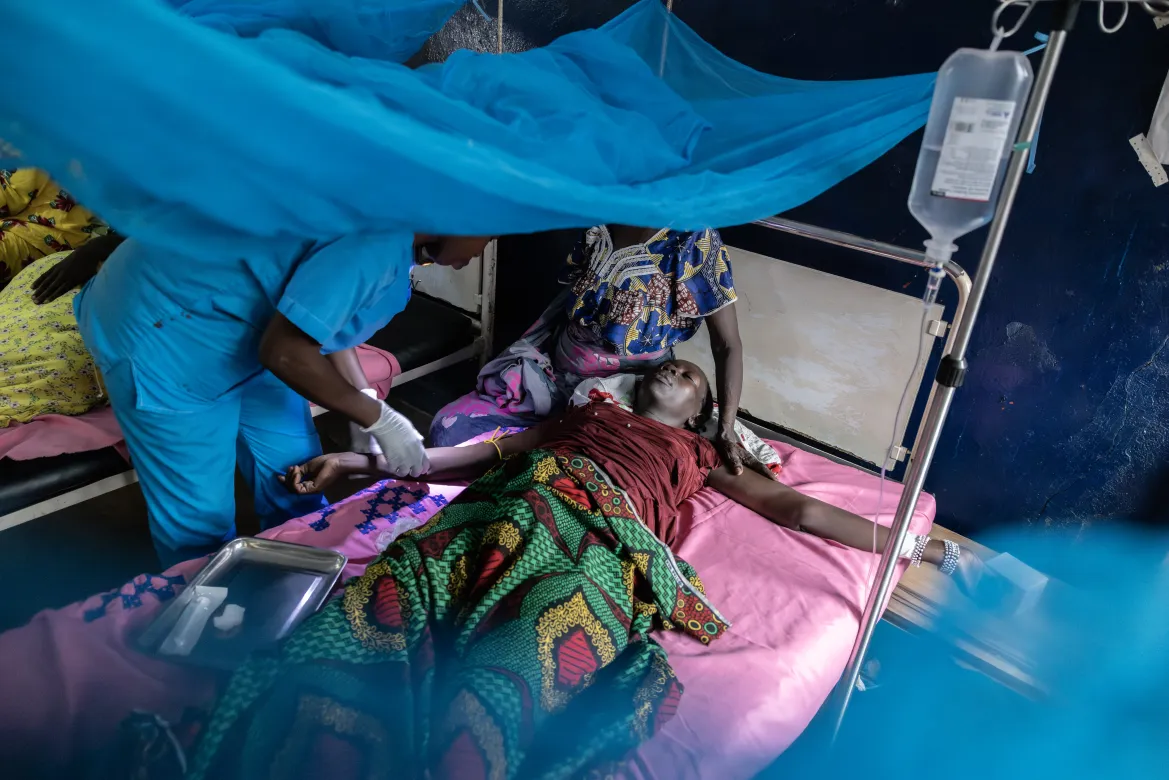
Humanitarian organizations are appealing to donors to support and expand maternal health services in the Central African Republic, emphasizing that the cost of retaining midwives and providing basic obstetric care is negligible compared to the human cost of preventable deaths. They add that without sustained funding, women, both refugees and those in host communities, will bear the brunt of the suffering in one of the world's poorest countries.