Head of Egyptian Radio: We address Africa with 13 radio services... and the targeted broadcasts remain Egypt's voice to the African continent | Interview
The head of Egyptian radio reveals the secrets of communicating with Africa in 23 international languages.
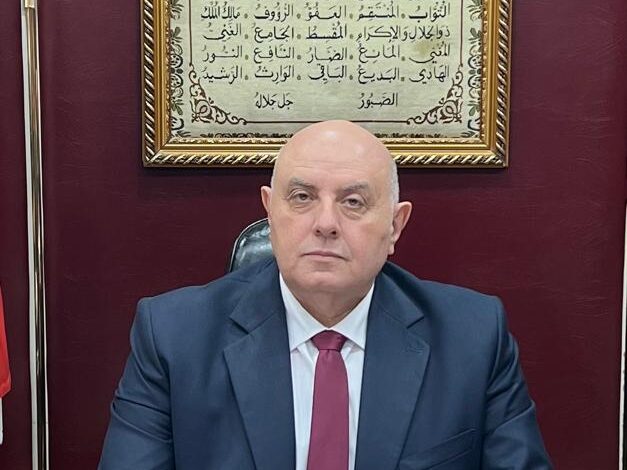
Interview by: Badr Ahmed
Egyptian radio broadcasts remain one of the most prominent tools of Egyptian soft power in the African continent, as they have played a pivotal role since their establishment in the 1950s in conveying the Egyptian voice to the peoples of the continent, and strengthening cultural and media ties between Egypt and Africa.
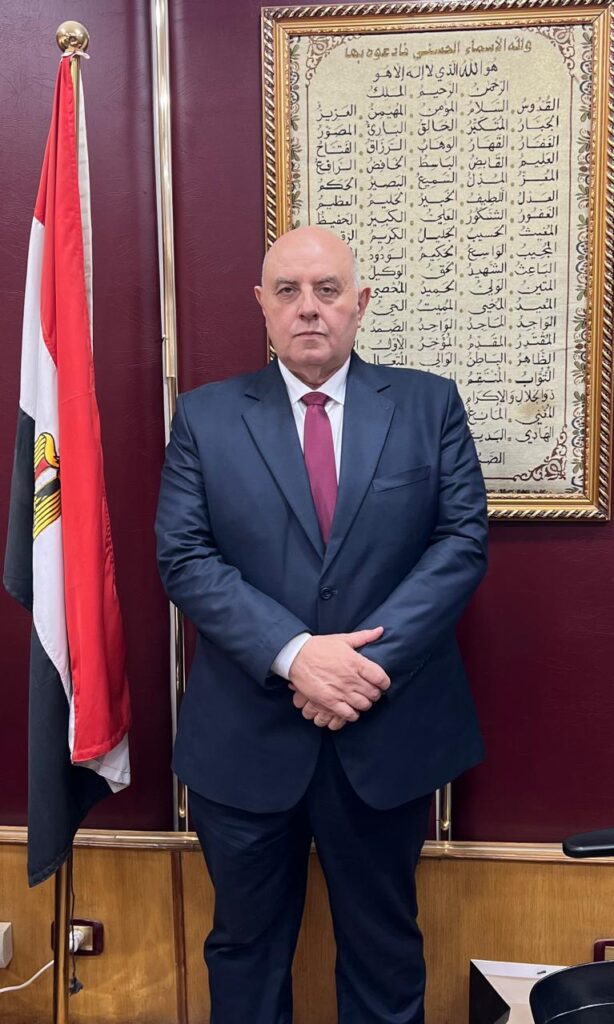
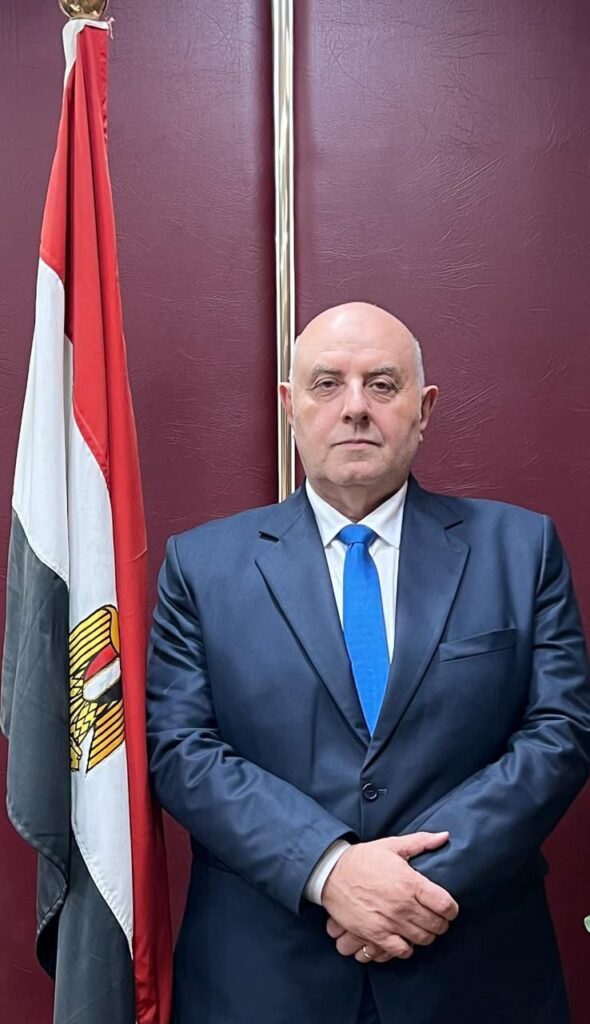
In this interview with “Zoom Africa News”, Abdel Rahman El-Basyouni, head of Egyptian Radio, reviews the role of the directed radio network in addressing the African continent in its various languages, the mechanisms for developing radio broadcasting, and the efforts of Egyptian Radio in spreading culture and the Arabic language and enhancing the Egyptian presence in Africa.
To begin with, what is the importance of the directed broadcasting network and its historical role in Africa?
The Directed Broadcasting Network, formerly known as the International Broadcasting Network, was established in the 1950s with the support and vision of the late President Gamal Abdel Nasser. Its goal was to reach the various peoples of the world, especially in Africa, which received great attention from the Egyptian state at that time.
These radio stations played an important role in supporting African national liberation movements, providing awareness, education and media services to the African citizen, in addition to conveying Egyptian positions and visions on various issues.
How many languages does the targeted broadcasting network currently broadcast in?
The network currently offers its broadcasting services in 23 different international languages, enabling it to address a wide audience in Africa, Asia and other parts of the world.
As for the African continent, we offer 13 radio services, including 7 major African languages: Swahili, Hausa, Fulani, Afar, Amharic, and Somali, in addition to services in English directed to West and East Africa, and a service in French and another in Arabic.
How do you ensure that the media message reaches the African audience in its various languages?
One of the most important factors for the success of targeted radio broadcasts is that we rely on broadcasters and media professionals from the targeted countries themselves. The broadcasters who provide these radio services are Africans or from the peoples we address, and they speak in their native languages, which ensures the credibility of the message and its closeness to the target audience.
How have broadcasting methods evolved compared to the past?
Previously, the primary reliance was on short and medium-range radio waves, but today broadcasting methods have expanded significantly, with radio services becoming available via satellite through Nilesat, as well as via the internet and the National Media Authority's platforms, which has contributed to expanding access to the public within and outside Africa.
Does Egyptian radio offer educational programs aimed at Africans?
Certainly, one of the most prominent of these Arabic radio programs is a program that aims to teach the Arabic language to non-native speakers. This type of program is offered through a number of different radio services, which contributes to promoting the spread of the Arabic language and Egyptian culture among the peoples of the continent.
What about the religious and cultural content presented through targeted radio broadcasts?
Directed radio stations offer diverse content including religious, cultural, artistic and news programs. We have recitations of the Holy Quran and programs for interpretation, preaching and guidance, in addition to covering various aspects of Egyptian cultural and artistic life.
We are keen to ensure that the broadcasts directed to Africa serve as the voice of Egypt, conveying Egyptian news and visions, and showcasing Egyptian arts, culture and heritage to the African public.
Have any prominent African figures emerged from the targeted radio stations?
Yes, and this is something we are very proud of. Over the years, a number of African media professionals have worked in radio broadcasting who later returned to their countries and assumed important positions, including ministerial positions and leadership roles in various state institutions.
How did listeners interact with the targeted radio broadcasts?
In the past, interaction was mainly based on postal messages, and we used to receive large numbers of messages from different countries and languages. Today, modern means of communication have added new dimensions to communication, but we still feel a strong connection among broad sectors of the African public to Egyptian radio.
Is there still communication between Egyptian radio and African communities within Egypt?
Absolutely. We are in constant contact with the African communities residing in Egypt, as well as with African ambassadors and diplomats. We also regularly host African figures in our various programs, which strengthens the bridges of cultural and media communication between Egypt and its brothers on the continent.
On Media Day, what message would you like to convey?
My message is that the Egyptian media, and foremost among them Egyptian radio, will remain one of the most important tools of communication between Egypt and Africa, and we will continue to develop our media services and expand our digital and radio presence in a way that serves common interests and strengthens the historical and cultural ties between Egypt and the peoples of the African continent.