WHO Director from Congo: Ebola outbreak can be controlled
The Ebola outbreak in the Democratic Republic of Congo has been halted.
Written by: Mohamed Ragab
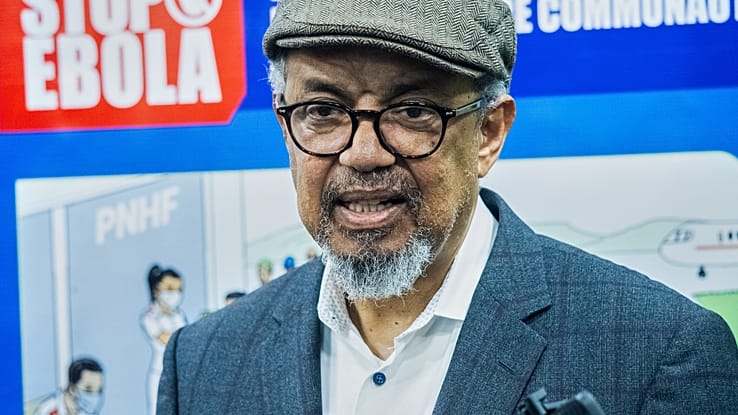
The Director-General of the World Health Organization, Tedros Adhanom Ghebreyesus, confirmed that the Ebola outbreak in the Democratic Republic of Congo is “controllable,” during his visit to the capital, Kinshasa, to support health response efforts in the face of the rapidly spreading disease.
Tedros's remarks came at a time when eastern Democratic Republic of Congo is experiencing a significant increase in the number of infections and deaths caused by the rare Bundibugyo strain of Ebola virus, a strain for which there is still no approved vaccine or specialized treatment, further complicating the health situation in the country.
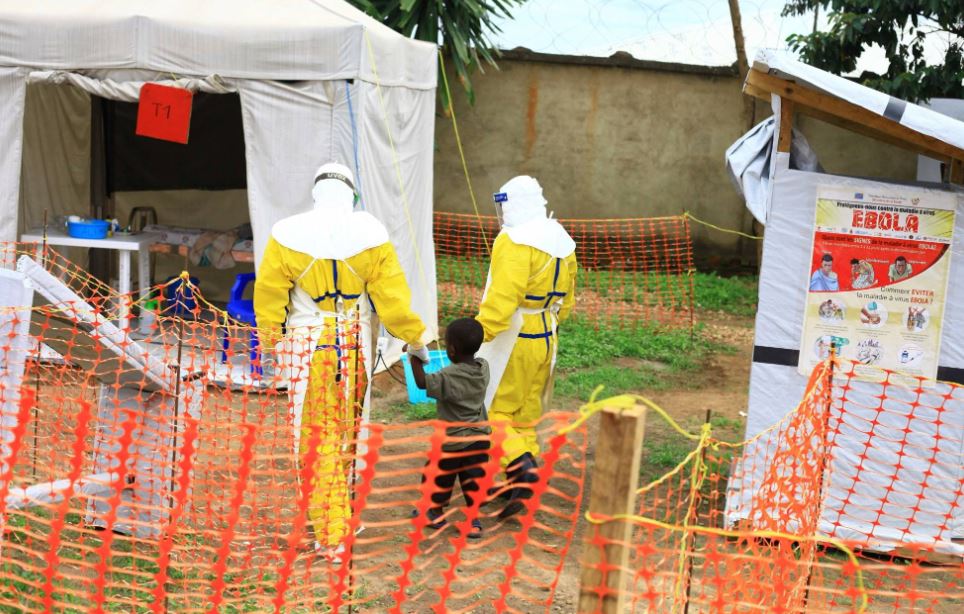
The organization's director explained that the Democratic Republic of Congo had previously succeeded in containing 16 Ebola outbreaks, stressing that the accumulated experience of local medical teams and international support could contribute to stopping the spread of the current disease, despite the security and humanitarian challenges facing the affected areas.
The World Health Organization estimates that more than 1,000 suspected cases and hundreds of deaths have been recorded in the Ituri and Kivu provinces, amid concerns that the true figures are higher due to the difficulty of accessing some areas and delays in detecting infections. The organization also confirmed that the infection has spread to Uganda after cases were recorded linked to arrivals from the Democratic Republic of Congo.
Expanding laboratory testing operations
The UN organization announced the expansion of laboratory testing and contact tracing operations in cooperation with the National Institute of Medical Research in the Democratic Republic of Congo, with the aim of accelerating the detection of new cases and preventing transmission of infection within local communities and health facilities.
Meanwhile, response teams face significant challenges due to ongoing armed conflicts in the east of the country, where clashes and insecurity impede the movement of medical teams and the delivery of humanitarian aid. International reports have also highlighted shortages of medical equipment and a rising number of injuries among healthcare workers.
Tedros called on all conflicting parties to facilitate the work of humanitarian and health teams, stressing that containing the epidemic requires broad international cooperation and swift action to prevent it from turning into a larger health crisis in the Central and East African region.