From classrooms to algorithms: Morocco launches an unprecedented educational revolution
The Supreme Education Council emphasizes the importance of keeping pace with global technological transformation.
Written by: Mohammed Omran
Witness Morocco A radical transformation in its educational system with the introduction of artificial intelligence into the heart of educational policies, in a move that reflects an official recognition that the future of education is no longer separate from the accelerating technological revolution.
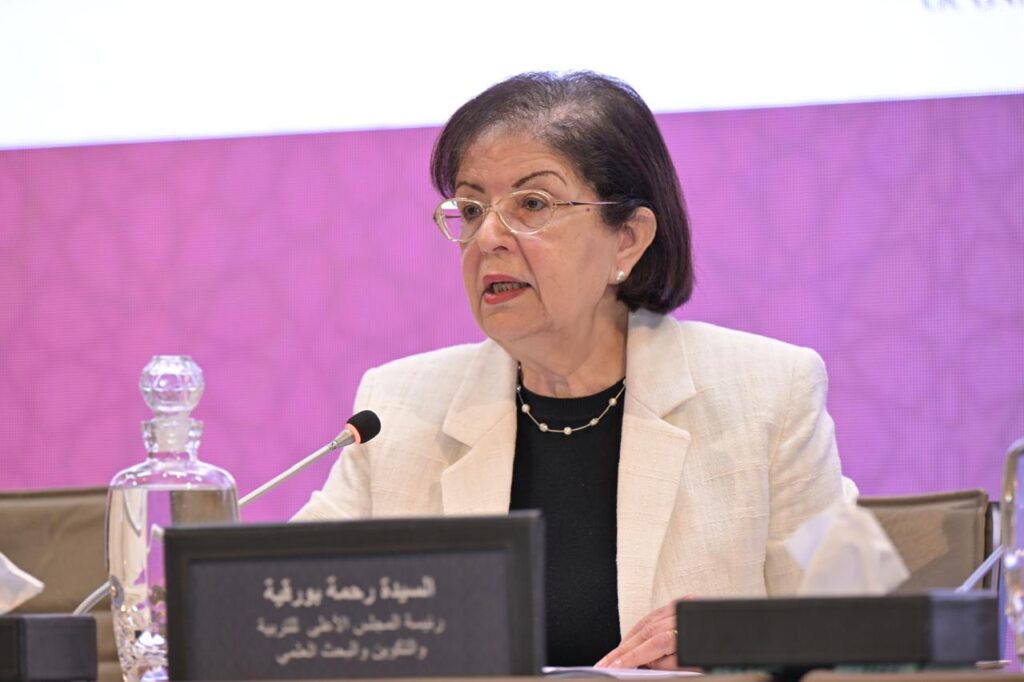
A new educational strategy is leading Morocco towards a knowledge economy.
Officials described this shift as an irreversible strategic choice aimed at reshaping learning and teaching methods, and preparing a new generation capable of dealing with a global economy driven by data and smart technologies.
As the pace of digital change accelerates globally, Morocco places education at the forefront of its priorities to ensure it keeps pace with these transformations, with a focus on building critical thinking and innovation skills among learners.
Morocco is banking on technology to build the next generation.
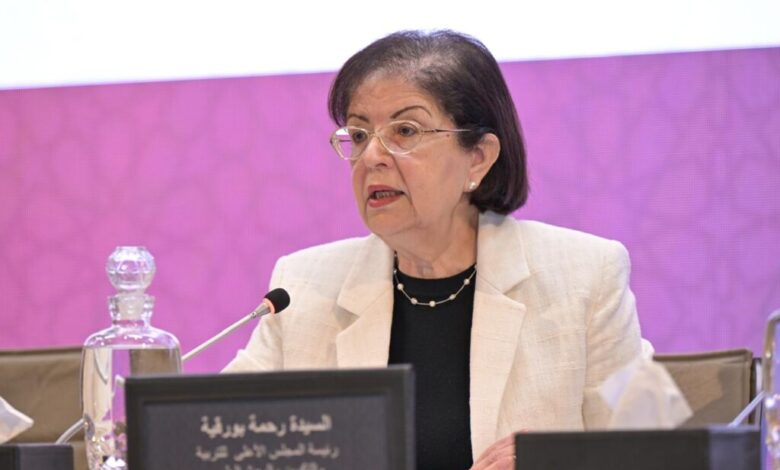
In this context, Rahma Bourqia, President of the Supreme Council for Education, Training and Scientific Research, affirmed that this trend is no longer just a technical option or a limited experiment, but has become a strategic option that strongly imposes itself in the development of education, given the major changes that artificial intelligence has brought about in the ways of producing knowledge, teaching methods and the nature of modern jobs.
She explained that the current digital transformation requires a comprehensive approach that combines technological development and societal awareness, noting that Moroccan youth are already living under a dual influence of the widespread use of social media, along with the increasing use of artificial intelligence technologies in accessing information.
The Supreme Education Council emphasizes the importance of keeping pace with global technological transformation.
In the same context, the council called for the need to develop educational curricula in a way that enhances students’ critical thinking skills, so that they can analyze and evaluate information resulting from algorithms correctly, instead of relying on them directly without awareness.
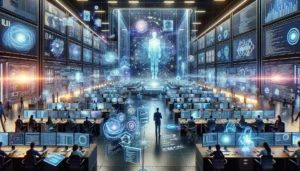
The new trends emphasized the importance of integrating digital skills and the fundamentals of artificial intelligence into curricula and scientific research, with the aim of preparing the future workforce to be more competitive in a global economy that is increasingly dependent on technology and knowledge.
The Moroccan authorities are working on developing a specialized public policy based on a clear regulatory and ethical framework that ensures the responsible use of artificial intelligence within educational institutions, while putting in place monitoring mechanisms to limit any unregulated use.
This approach aims to enable students and researchers to benefit from artificial intelligence technologies in a safe and effective manner, which will contribute to the development of the educational system and raise its competitiveness at the international level, and enhance Morocco’s position in the fields of digital education and technological innovation.