To accelerate the development of the gas project, Invictus Energy signs an agreement with Zimbabwe for the Kabura Bassa project.
A hybrid agreement that allows Zimbabwe to receive profits or gas
Written by Ziad Abdel Fattah:
I signed Invictus Energy Australia has signed an oil production-sharing agreement with Zimbabwe, in a strategic move to accelerate the development of a promising gas project in the Kabura Bassa region, the company and government officials announced Wednesday.
A hybrid agreement model allows Zimbabwe to receive profits or gas
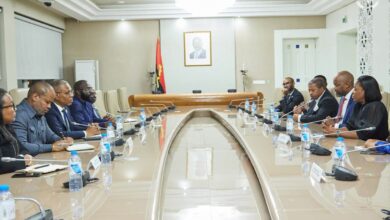
The signing ceremony took place in the capital, Harare, where the company's CEO, Scott McMillan, explained that the agreement includes a hybrid model that allows the government to choose between receiving a share of the profits or a portion of the actual gas production in the future, thus enhancing the flexibility of returns for the state.
The Zimbabwean government, through a number of its ministers, including Finance Minister Mthuli Ncube, signed the agreement with Geo Associates, a subsidiary of Invictus, in which it holds the largest stake.
The company is preparing to drill a new exploratory well.
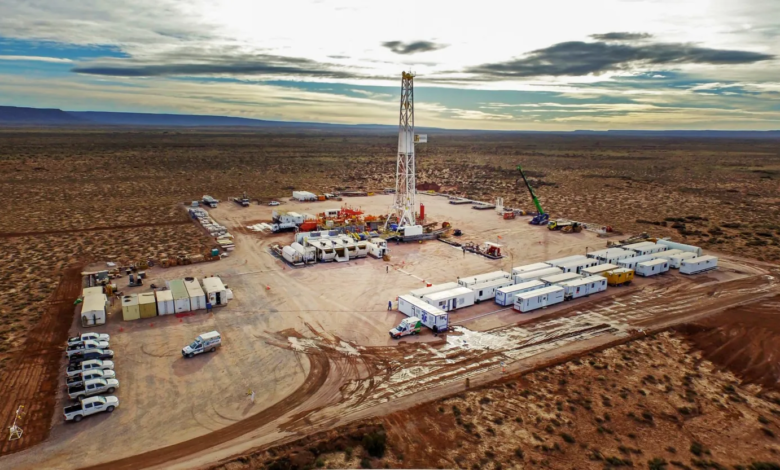
The company is preparing to drill a new exploration well, “Musoma-1”, during the second half of 2026, targeting huge reserves estimated at about 1.2 trillion cubic feet of gas, along with 73 million barrels of condensates.
In 2023, Invictus Energy announced major gas condensate discoveries in the Mokuyo field, which was considered a significant development that could open new horizons for the oil and gas industry in onshore areas within Zimbabwe.
For his part, the Minister of Finance welcomed the agreement, stressing that it reflects the government’s commitment to maximizing the benefit from natural resources through effective partnerships between the public and private sectors, in support of long-term development plans.
Confirm the presence of natural gas and hydrogen
Last March, the company revealed positive results of laboratory analyses that confirmed the presence of natural gas, along with oil condensates, helium and natural hydrogen in the Mozrabani region, with high quality gas and no harmful impurities such as hydrogen sulfide.
The Zimbabwean Minister of Energy at the time pointed out that the oil discovered in the “Mokwyo-2” well is used in the production of diesel, gasoline and jet fuel, which enhances the economic value of the discoveries.
It is worth noting that the project was abandoned by Exxon Mobil in the 1990s, after the American company suggested at the time that the area contained larger quantities of gas compared to oil, according to previous estimates.
The current project reflects the great potential of the Mozambique region, which is poised to become one of the most important gas production centers in southern Africa in the coming years.