Thousands of migrants in South Africa are seeking a way out amid escalating xenophobic violence.
Neighboring countries are facing difficulties in repatriating their citizens.
Written by Ziad Abdel Fattah:
South Africa is experiencing a state of Escalating tension With thousands of African migrants queuing inside camps and diplomatic compounds, they are seeking to leave the country before anti-foreigner protests are feared to turn into widespread violence.
Temporary camps to finalize return procedures
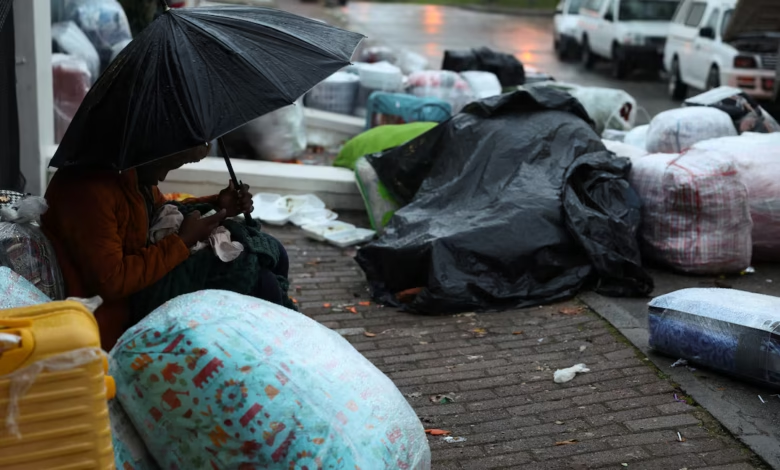
In Durban, hundreds of Malawian citizens gathered in temporary camps to complete repatriation procedures, while hundreds of Zimbabweans were forced to spend the night in the open in front of their consulate in Cape Town, waiting for a chance to return home.
“We live in constant fear, and we can’t predict what might happen. We can’t wait for things to get worse,” said Ibrahim Musa, who was standing with his wife in one of the queues. He added that many people, including children, were trying to catch buses that would take them back to their home countries, according to Reuters.
Wave of xenophobic attacks in South Africa
These developments come in the wake of a wave of xenophobic attacks in recent weeks, in some cases resulting in deaths and the burning of homes, prompting many migrants to flee or be forcibly displaced.
Anti-immigration groups have set June 30 as a deadline for undocumented migrants to leave, amid heightened security preparations in several cities in anticipation of potential unrest. Authorities have urged citizens not to take the law into their own hands, assuring them that security forces are prepared.
Acting KwaZulu-Natal Police Commissioner Phumilele Makoba said police would deploy a large force to ensure security, urging protesters to remain peaceful. President Cyril Ramaphosa affirmed that security forces were "on high alert" to respond to any eventuality.
Although the organizers of the protests insisted that they were not calling for violence, they did not rule out the possibility of “unfortunate incidents,” which increased the anxiety among immigrants.
Difficulties in repatriating citizens of neighboring countries
Amid this tense situation in South Africa, neighboring governments such as Mozambique, Malawi, and Zimbabwe are struggling to organize the repatriation of their citizens due to the growing numbers. “We are sleeping outside waiting for buses,” said Amina Chioko, 30, waiting outside the Zimbabwean consulate. “Everyone just wants to go home.”.
But the crisis appears even more complicated for asylum seekers, who have no option of returning. “Returning to my country means death,” said Lianne Sefo, 25, a refugee from the Democratic Republic of Congo. “The war is still going on there.”.
She explained that she was assaulted at her workplace in Durban and forced to leave her home, now finding herself homeless along with dozens of others outside the Home Office. She added, “There is nowhere safe… we just hope to find protection or shelter.”.
These events highlight the deep challenges facing South Africa, where unemployment, poverty and inequality are worsening, while the influx of migrants seeking better opportunities in the continent's largest economy continues to fuel social tensions and exacerbate xenophobic rhetoric.