Atiku Abubakar refuses to withdraw from the 2027 Nigerian presidential race
Nigerian presidential elections
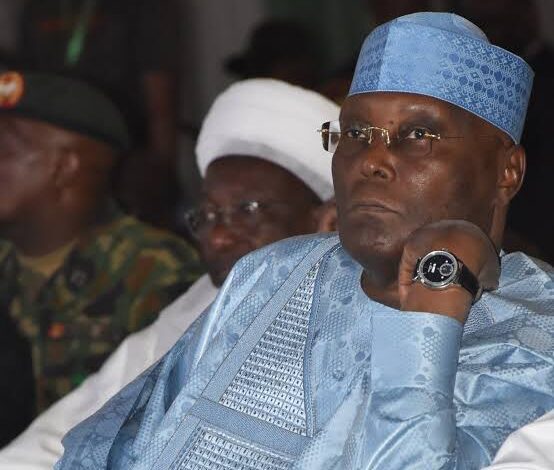
Abubakar Sani – Nigeria
Former Nigerian Vice President Atiku Abubakar rejected calls for him to step down from the presidential race within the African Democratic Congress party, accusing President Bola Tinubu of interfering in the affairs of the opposition and working to weaken it.
In a statement issued Tuesday through his media advisor Paul Ebi, Atiku called on Nigerian citizens to stand up to what he described as the All Progressives Congress party’s attempts to intimidate and undermine the opposition, stressing his commitment to running in the presidential race without backing down.
Internal pressures and potential alliances in Nigeria
Atiko's remarks come amid reports of pressure for him to step aside in favor of a southern candidate, in preparation for the upcoming elections, which are expected to see him face a direct challenge from Tinobo. They also coincide with internal party developments, most notably the joining of former Anambra governor Peter Obi, along with reports of consultations to form a potential electoral alliance with former Kano governor Rabeyo Kwankwaso.
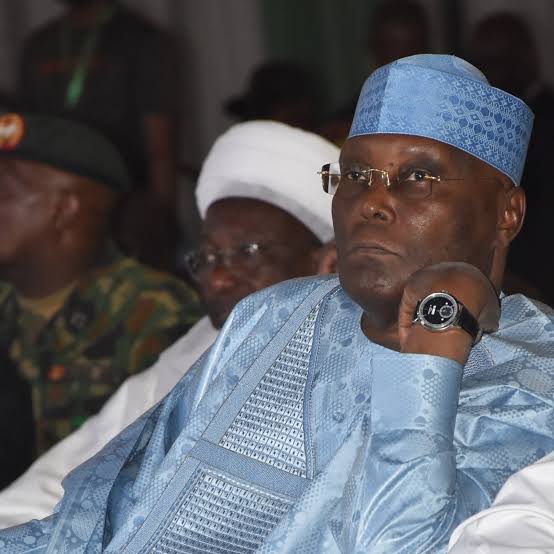
Accusations of undermining the opposition
Atiko accused the Tinobo administration of systematically seeking to weaken opposition forces in preparation for dominating the political scene in the 2027 elections, describing the current government as an increasing national burden. .
He said that Nigeria is experiencing one of the toughest periods in its modern history, pointing to what he described as harsh economic policies, along with a shrinking of democratic space.
He added that the government has not only inflicted widespread suffering, but is also working to eliminate political alternatives, which threatens to turn the country into a de facto one-party state.
National rescue mission
Atiko stressed that the African Democratic Congress Party represents the core of a credible national alternative, noting that national leaders have chosen to rally around it to confront what he considered a democratic decline.
He accused what he called the presidential agents of trying to destabilize the party from the outside and interfering in its internal decisions, especially regarding the selection of its presidential candidate.
He stressed that calls for his resignation serve authoritarian ambitions and represent a betrayal of the Nigerian people, affirming that the party is committed to a process of selecting its candidate through open, transparent and competitive mechanisms. .
Political escalation before 2027
Atiko noted that the party is currently focused on building its organizational structures at the district, local government and state levels, calling for these efforts not to be obstructed.
He also affirmed the party’s openness to all opposition forces, considering that openness, not coercion, is the essence of democracy, adding that no one will step down, before launching a direct attack on Tinubu, saying that the one who should step down is the president himself. .
Atiku concluded his statement by affirming that his party is determined to end what he described as the ordeal imposed by the All Progressives Congress (APC) regime, stressing that any attempts at intimidation or sabotage will not hinder what he described as the mission to save democracy in Nigeria. .