Tourist attractions in Algeria: Get ready for a journey amidst the desert sands and the magic of nature.
Prepared by Ahmed Salem:
The tourist experience of a country the size of Algeria will undoubtedly be different from any other tourist destination you have traveled to, and perhaps the tour that Zoom Africa takes you on, through its following report, will be the best evidence of that:
If you ever plan to travel to Algeria, you will be presented with an environment that offers a diverse range of tourist attractions: heritage sites, stunning landscapes of the Sahara Desert and the Atlas Mountains, and tranquil beaches on the Mediterranean Sea.
The largest country in Africa by area, it has a coastline stretching 1,600 kilometers, dotted with long sandy beaches, and is home to cities rich in history, including some of the most magnificent Roman ruins in the world.
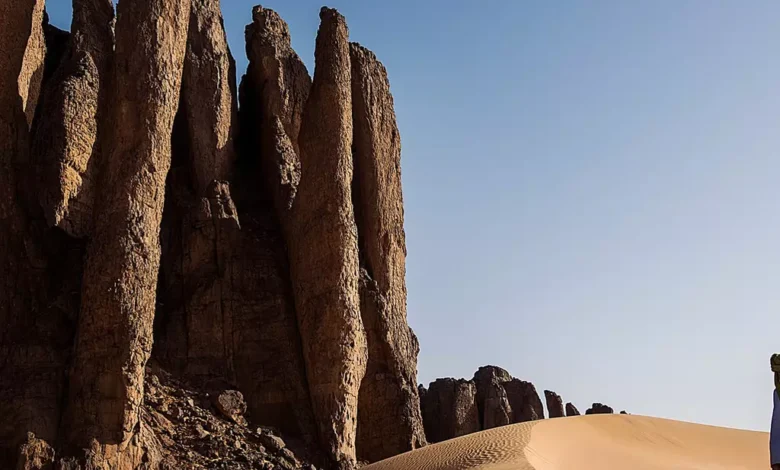
Inside, you are in the presence of the picturesque desert with its authentic oases, vast sandy seas, and ancient volcanic mountains featuring rare rock carvings and drawings dating back to prehistoric times.
1. Timgad: The best for Roman ruins
The Roman ruins of Timgad, listed as a UNESCO World Heritage Site, were built by Emperor Trajan in 100 AD.
Its location at a vital passage through the Aurès Mountains is a strategic point that gave Rome control of access to the Sahara Desert.
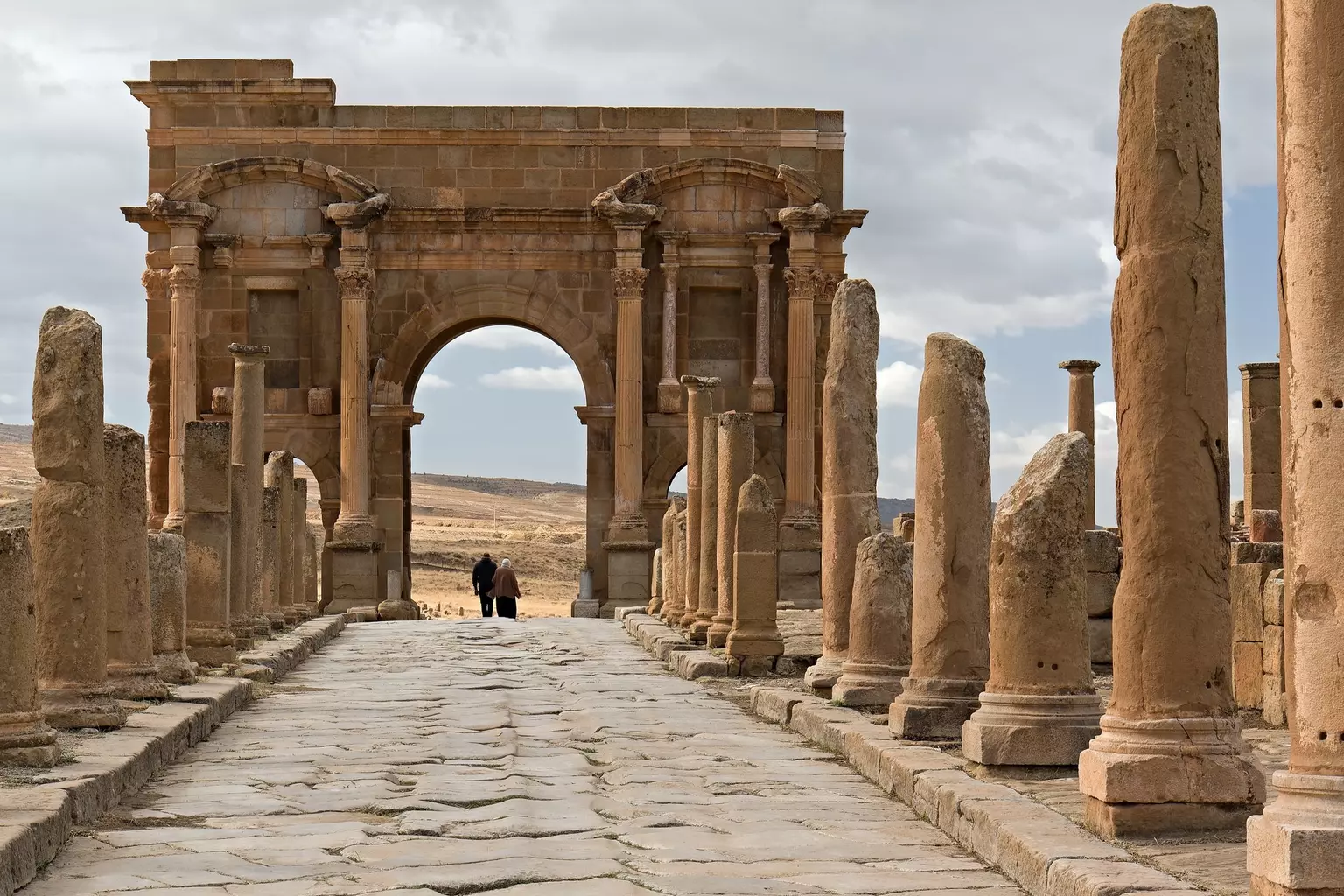
Timgad is often known as the “Pompeii of North Africa,” and is a remarkable example of Roman urban planning, with the city spread over 50 hectares in the shape of a chessboard.
When you go to this area, you will need a full day to explore all the squares, temples, markets, baths, theaters, courts and palaces, as well as a rare public library.
When you find it, look for the French inscription in the square which says: “venari lavari ludere ridere occ est vivere”, which means in Arabic: (“Hunting, bathing, playing, laughing: this is life”).
The on-site museum contains 200 remarkably well-preserved floor paintings.
Planning tip: Timgad is a very exposed location to sunlight, so you will need a hat, sunscreen and plenty of water in the summer, and a jacket in the winter or spring, as it can be cold and windy.
2. Constantine: The best on a hilltop
Since the fourth century BC, Constantine has occupied a rocky promontory above the Rumel River, surrounded by deep valleys that reach depths of up to 200 meters.
You will undoubtedly be impressed by the ingenuity behind this magnificent city location, and take photos from the Sidi Majid Bridge and the Memorial to the Dead, a World War I memorial that offers a panoramic view.
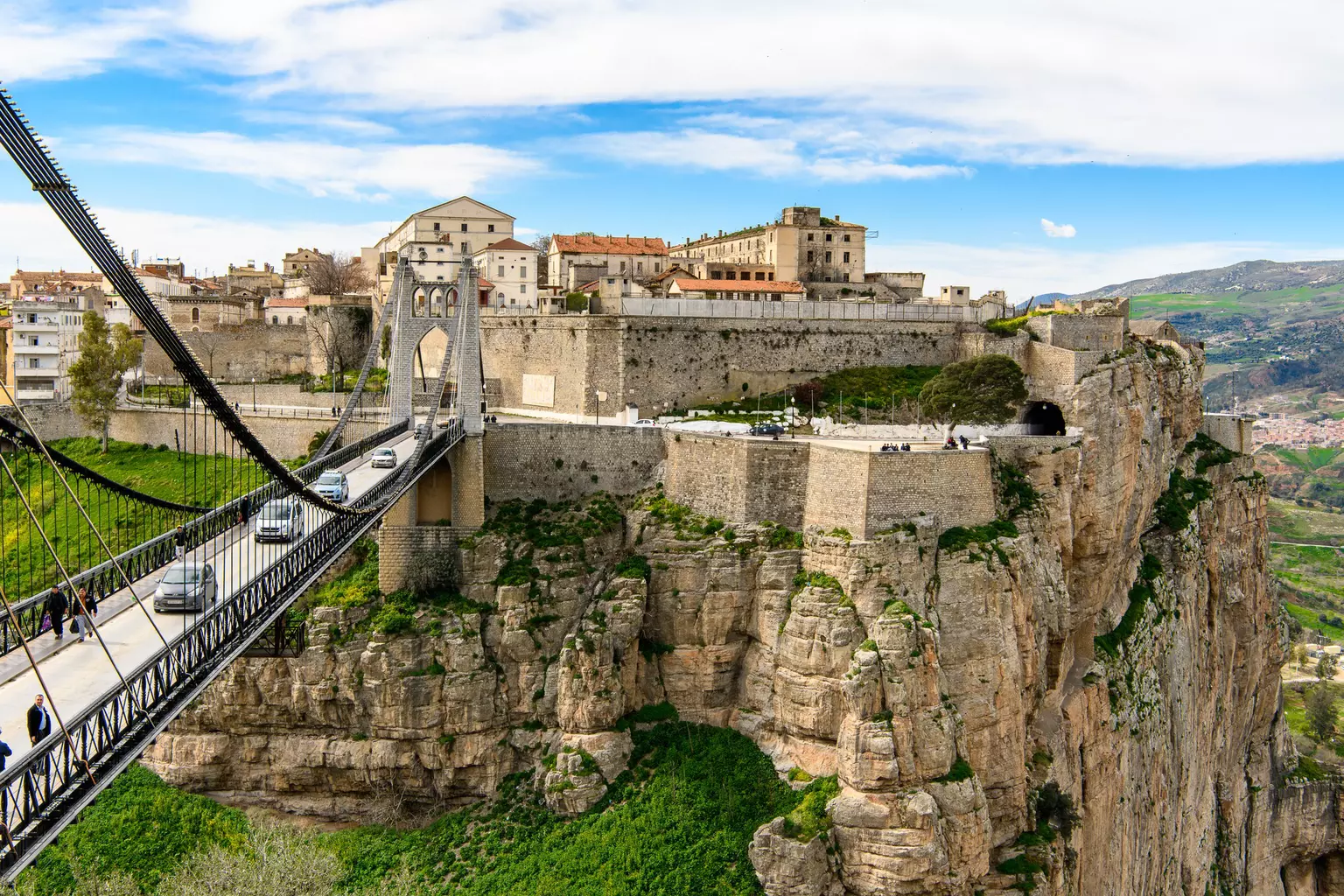
After strolling through the city streets, don't miss visiting the exquisitely decorated Ottoman Ahmed Bey Palace, the National Museum, and the beautiful contemporary-style Emir Abdelkader Mosque, which is one of the largest mosques on the continent.
Planning tip: Non-Muslims are allowed to enter mosques in Algeria outside of prayer times, so plan your tour accordingly.
Annaba: The best site for Catholic pilgrims
The enchanting city of Annaba is the birthplace of the Berber theologian Saint Augustine, a pivotal figure in the Catholic Church and one of its founding fathers, where he taught and wrote works that remain cornerstones of modern Christian theology. Augustine was the bishop of the Roman city of Hippo Regius, which today lies in flourishing ruins on the outskirts of the city.
On a hill overlooking the city lies the Basilica of St. Augustine, built by the French in the late 19th century, which overlooks the Basilica of Peace, where Augustine taught and was buried beneath it.
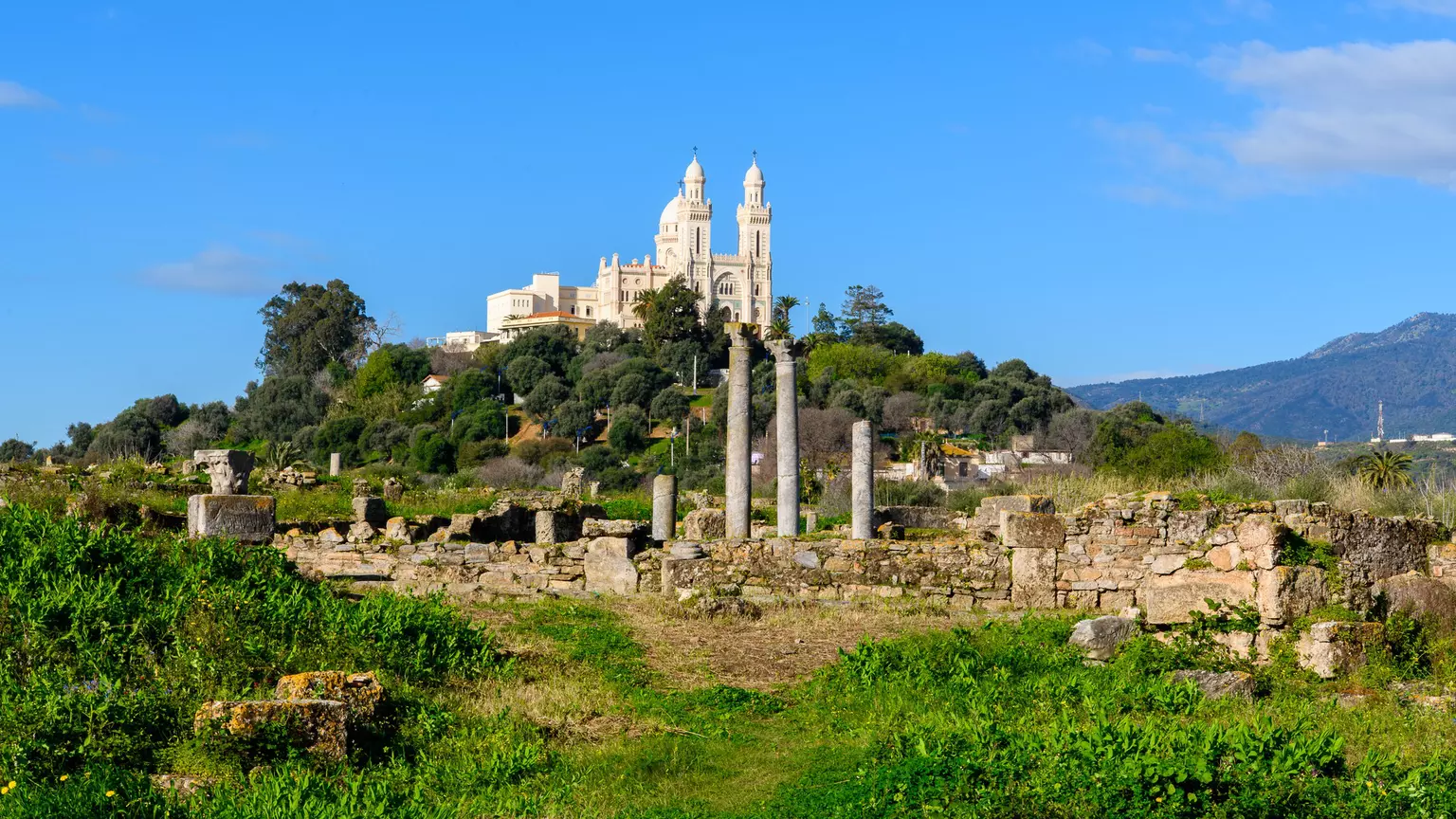
This basilica is still under the care of the Augustinian monks in Annaba, and it is a Catholic pilgrimage site.
Planning tip: This underappreciated city boasts an old town with a distinctive atmosphere, and a beautiful coastal location with some fantastic sandy beaches.
Tassili n'Ajjer National Park: Best for rock engravings and paintings
Tassili N’Ajjer National Park encompasses 72,000 square kilometers of stunning desert landscapes, featuring a magical sandstone rock forest covered with 15,000 prehistoric petroglyphs and crimson rock paintings depicting herds of elephants, giraffes, and buffalo.
These images are reminiscent of the steppes of the Sahara Desert, where Neolithic herders roamed alongside huge wild animals around 10,000-15,000 years ago.
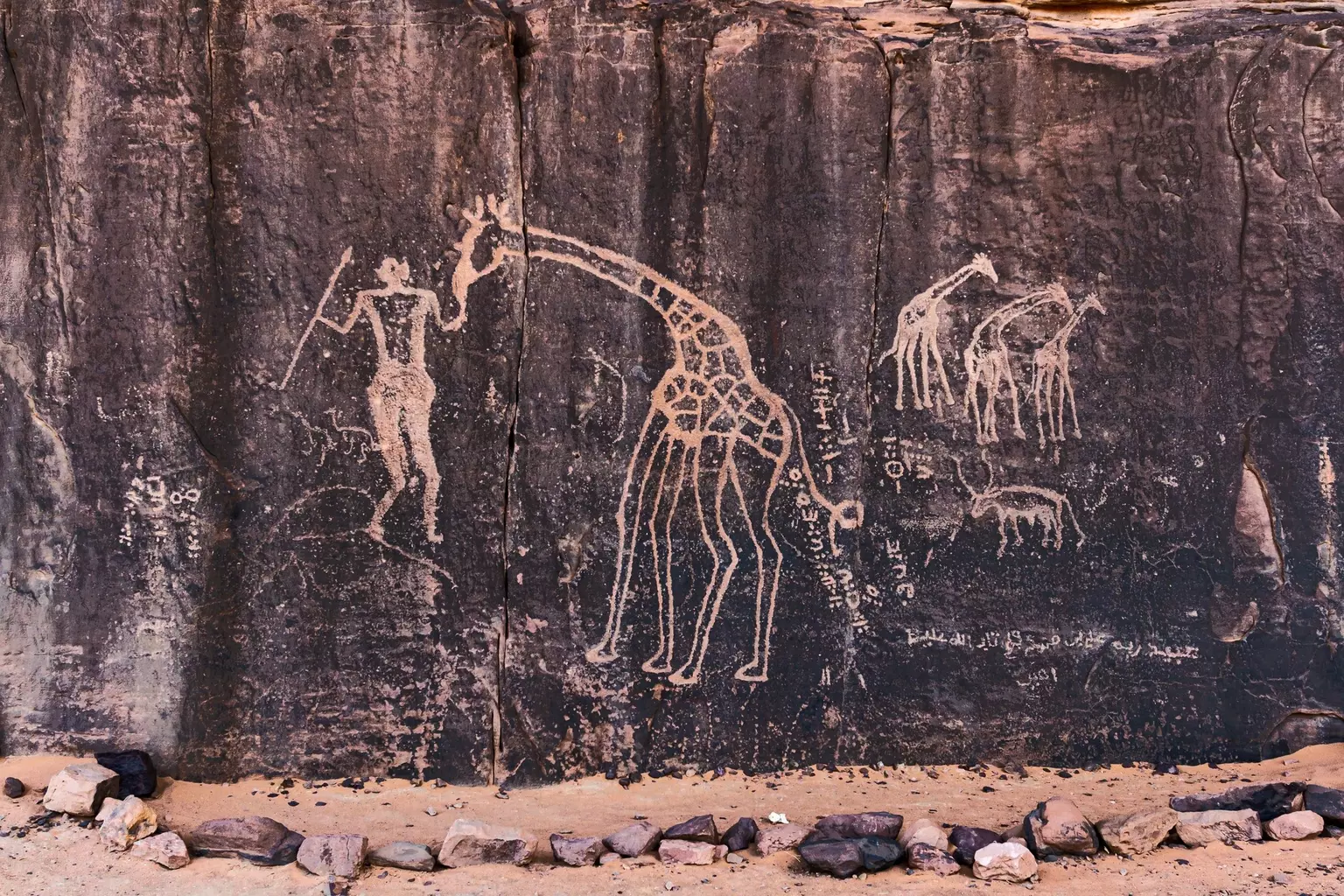
Planning tip: To see all the treasures of Tassili, you will need ten full days, with the possibility of taking tours for five or six days.
The remote town of Djanet, served by Air Algérie, is the gateway to the Tassili N'Ajjer National Park.
Officially, travelers exploring the desert are required to use an escort, a tour guide from a travel agency, for security reasons.
Algeria: Best for museums, monuments and gardens
The Algerian capital overlooks a breathtaking crescent-shaped bay and boasts a unique atmosphere, magnificent Ottoman and Art Deco architecture, and cafes playing Chaabi music—a musical style that blends Islamic and Jewish cultures and was formed in the alleyways of the ancient city. The Casbah, the historic heart of Algiers, is a winding labyrinth of staircases, palaces, and ancient mosques.
After occupying the city in 1830, the French colonists surrounded Algiers with wide, Parisian-style streets, added a botanical garden, the Jardin d'Essai (Botanical Garden), opened the Bardo National Museum, and built the Notre-Dame d'Afrique Cathedral.
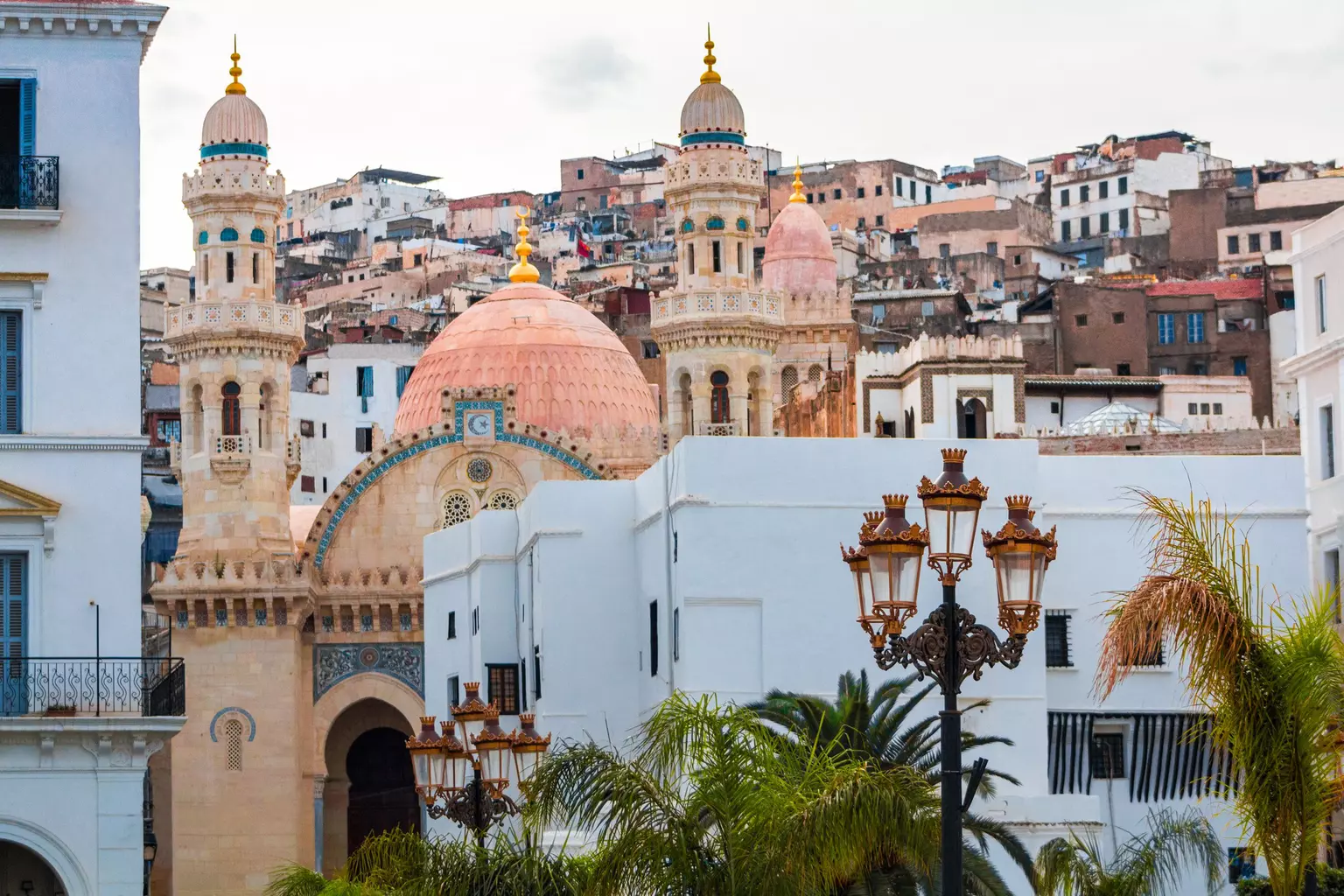
The Martyrs' Monument, or Martyrs' Shrine, adorns the southern edge of the city, commemorating those who sacrificed their lives during the long struggle for independence, which was finally achieved in 1962.
Planning tip: Explore the Casbah with a guide from Fanciello, and if you have time, take a day trip to the magnificent Roman ruins of Tipasa and Cherchell. .
Tlemcen: The best for medieval architecture
Tlemcen is an architectural gem, boasting medieval mosques and palaces nestled amidst a verdant pine forest. In the 12th and 13th centuries, the city was a center of learning and trade, rivaling Fez, Tunis, and Granada, trading gold from Timbuktu and salt from Taghaza with Europe.
This explains the hybrid architectural style between the Andalusian and Moroccan styles in the Great Mosque (1082), a masterpiece of the Almoravids, and the Mechouar fortress, which is reminiscent of the Alhambra Palace in Spain.
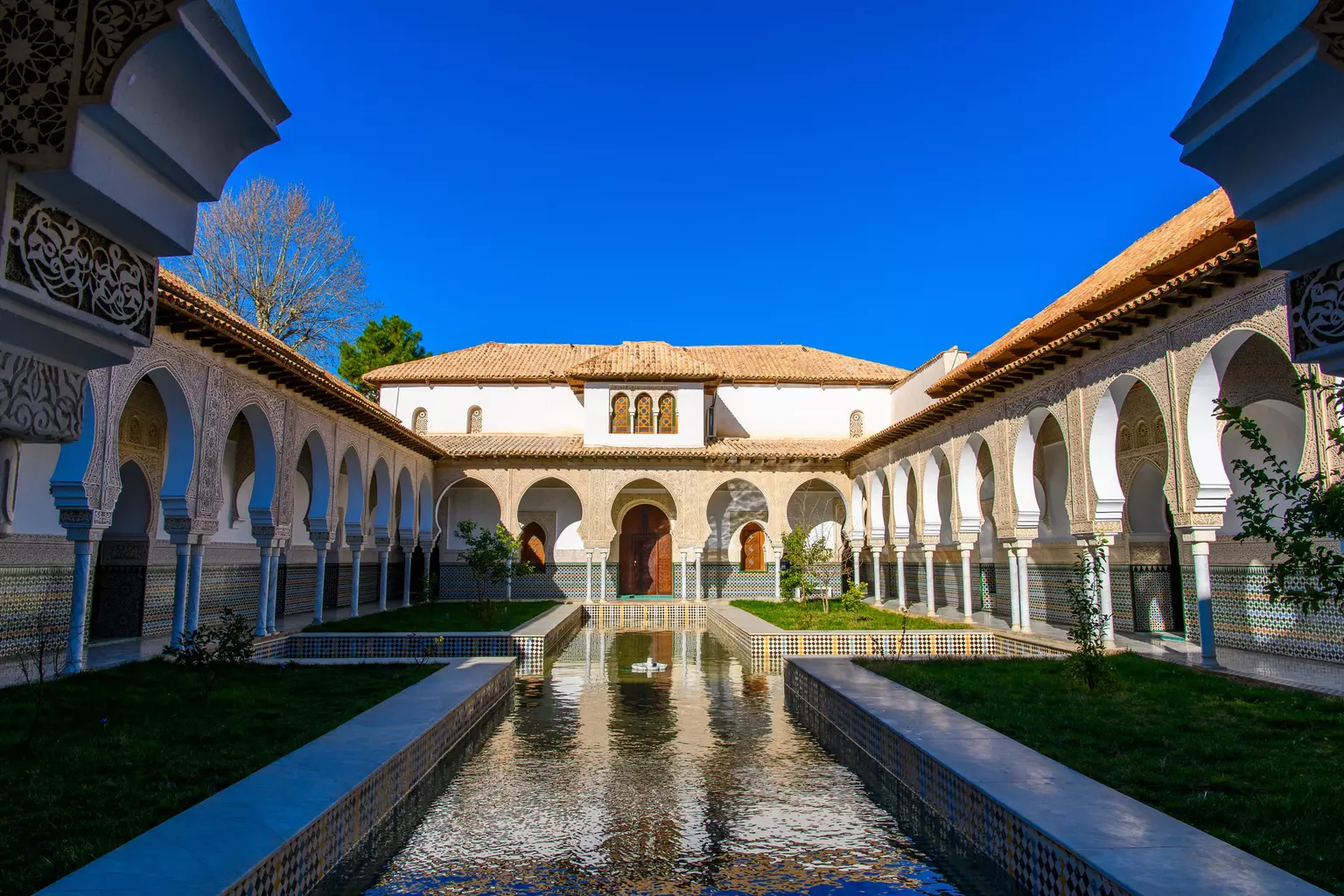
On the western edge of the city lie the ruins of the Mansourah military camp (1299), with its towering minaret, 40 meters high, which closely resembles the Giralda minaret in Seville.
Side noteTlemcen remains of great spiritual importance thanks to the shrine of Sidi Boumediene, which is located 1.6 kilometers southeast of the city.
From there, it is a 10-minute drive to the Oreit Falls, and a 30-minute drive to the stalagmite-covered Bani Ad Caves.
Ahaggar National Park: The best place for desert and river valleys
The Hoggar Mountains in Ahaggar National Park, older than Mount Tassili, are basalt volcanic hills that rise majestically from the desert floor.
The valleys of ancient rivers that flow through them on their way to Lake Chad are adorned with rock carvings and drawings of wild animals and chariot drivers, believed to be the ancestors of the Garamantes Tuareg.
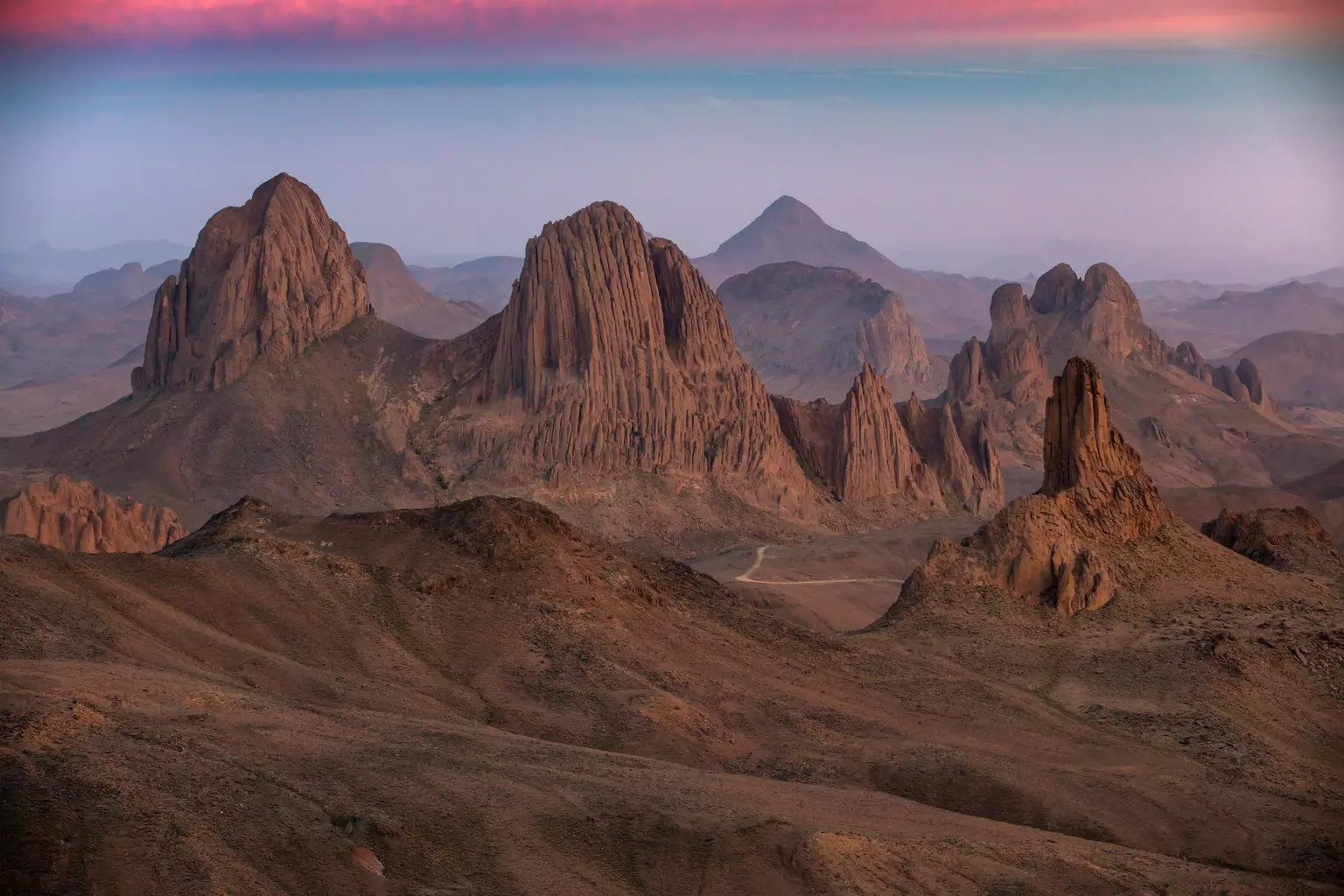
Week-long camel treks and 4x4 tours depart from Tamanrasset to the high plateau of Askrem (2,728 meters), which means "the end of the world." Stay at a lodge to witness a breathtaking sunrise over the Atakor mountain range.
Planning tip: Expect to pay a tip to guides and drivers equivalent to one extra day's pay for each week worked.
Jerada and the M'zab Valley: The best for desert fortresses
The five Pentapolis cities, located in the M'zab Valley, are one of the most enchanting places in Algeria. They are a group of five palaces (fortresses) built between 1012 and 1350 (today collectively known as Ghardaia, after the main palace).
These fortified cities are inhabited today by the Mozabites, who are members of a Berber tribe who follow the conservative Ibadi sect, maintain distinctive social rules and clothing, and do not allow strangers to enter except in the company of an adult.
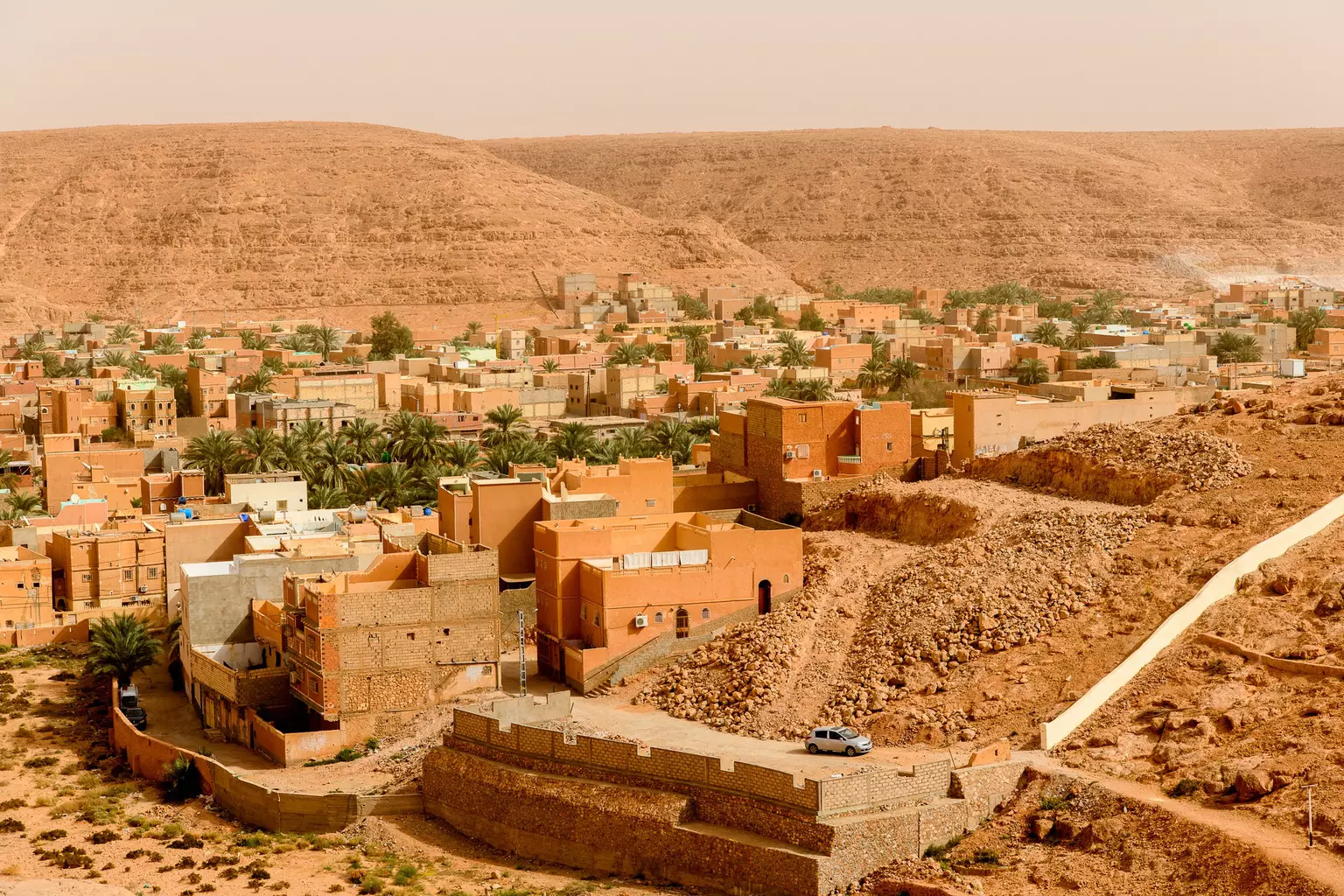
It is advisable to hire a tour guide to explore these closed communities, and see, for example, the Sidi Ibrahim Mosque in Al-Atouf, which inspired the architect Le Corbusier.
And don't forget to visit the Ghardaia market to see the carpets, as weaving is a traditional craft here.
Setif and Djemila: The best for ancient monuments
The Setif Archaeological Museum houses some of the world’s finest Roman artifacts, including the unique “Triumph of Dionysus” painting.
Most of the artifacts come from the beautiful city of Cuicul (formerly), a UNESCO World Heritage-listed Roman city situated on a picturesque hillside in the Little Kabylie Mountains, and a visit to it is an unmissable experience.
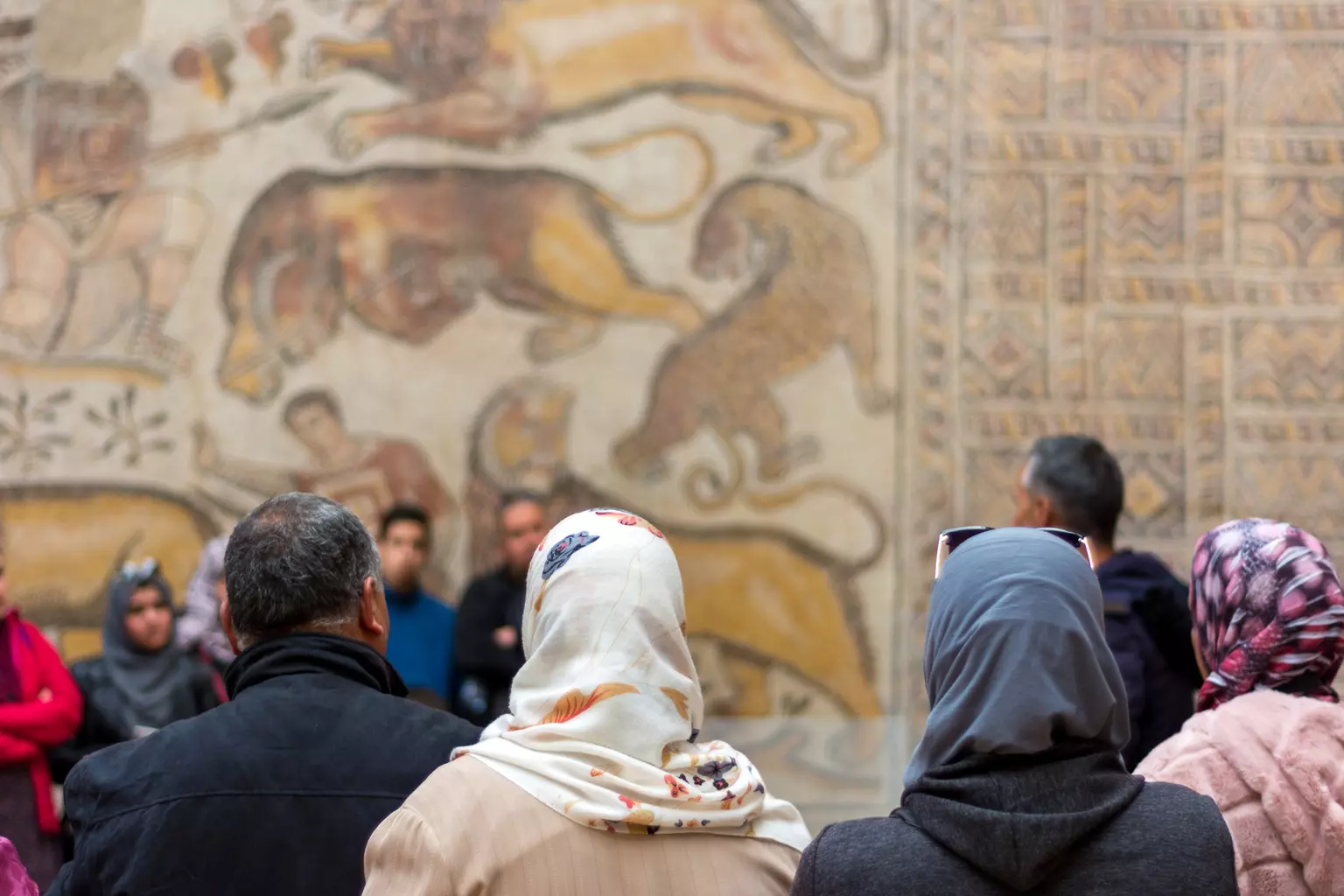
You can explore the beautiful ruins in half a day, but you'll likely want to stay longer to fully appreciate the stunning views. An excellent museum within the site features magnificent mosaics covering much of the walls.
Planning tip: Djemila is easily accessible from Setif (1 hour) or Constantine (1 hour 45 minutes). It is recommended to stay at the Taj El Mouada Hotel in Setif or the Novotel Constantine. .
Timimoun: The best place to explore the desert
Timimoun in central Algeria is a picturesque desert oasis situated on the edge of a cliff overlooking a sebkha (salt flat) and undulating sand dunes in the great Erg El Dahab.
Because this enchanting landscape is located in a remote area, you will feel as if you have landed on the moon, as the red city rises from the ground like a masterpiece sculpted by the wind.
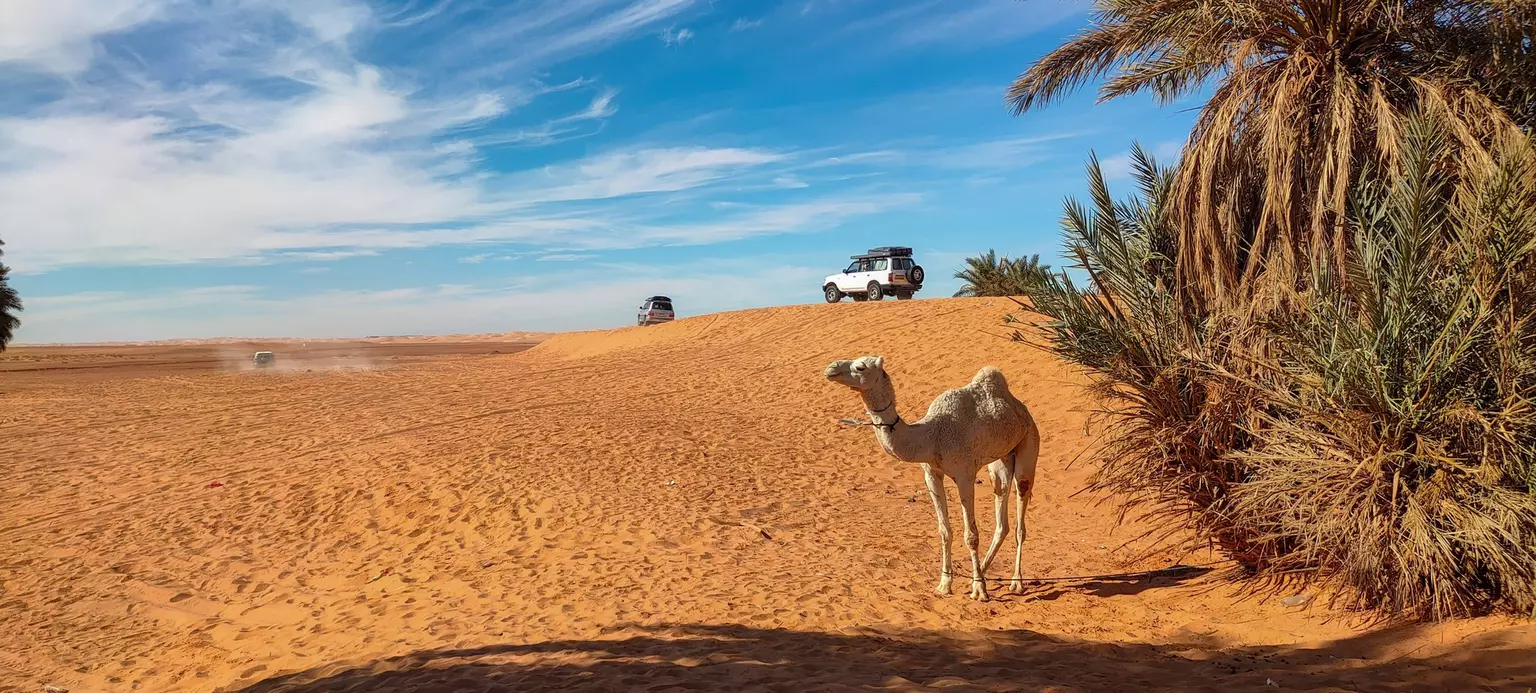
Most hotels offer quad biking and sandboarding trips near the city.
Or you can take a tour of the Sabkha Trail, which takes you to abandoned villages crumbling under the scorching sun, in a thrilling journey over towering sand dunes.