How did haircuts become a method for treating mentally ill patients in Kenya?
Personalized care becomes part of the recovery journey within Mathare Hospital
Written by: Mohammed Omran
In the largest mental health hospital in KenyaTreatment is not limited to medications and psychological sessions, but extends to the barber's chair, where haircuts and personal care have become a means of boosting self-confidence and restoring dignity for patients.
Doctors and specialists believe that paying attention to one's outward appearance is a crucial step in the recovery journey, especially since many psychological disorders are linked to a lack of interest in hygiene and self-care.
How did haircuts become a method for treating mentally ill patients in Kenya?
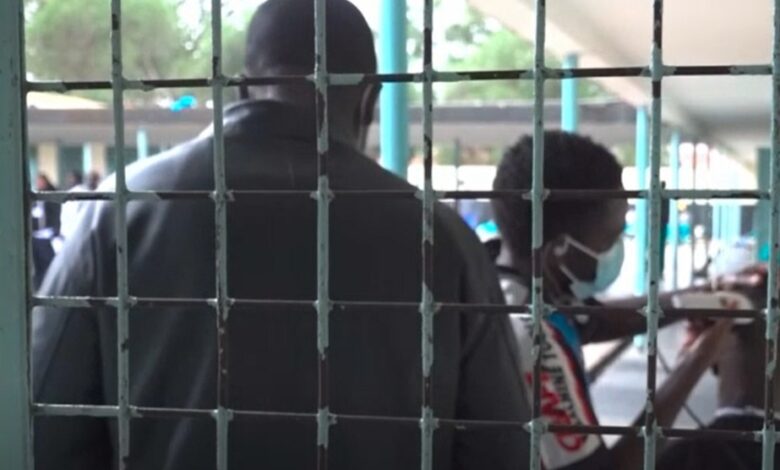
Once the barbers arrive and prepare their equipment, an atmosphere of excitement prevails among the patients, who take turns sitting in the barber's chair, waiting to have their hair cut and their appearance taken care of.
Healthcare professionals emphasize that personal care is an important aspect of recovery, as a loss of interest in personal hygiene and self-care is one of the most prominent indicators of mental disorders.
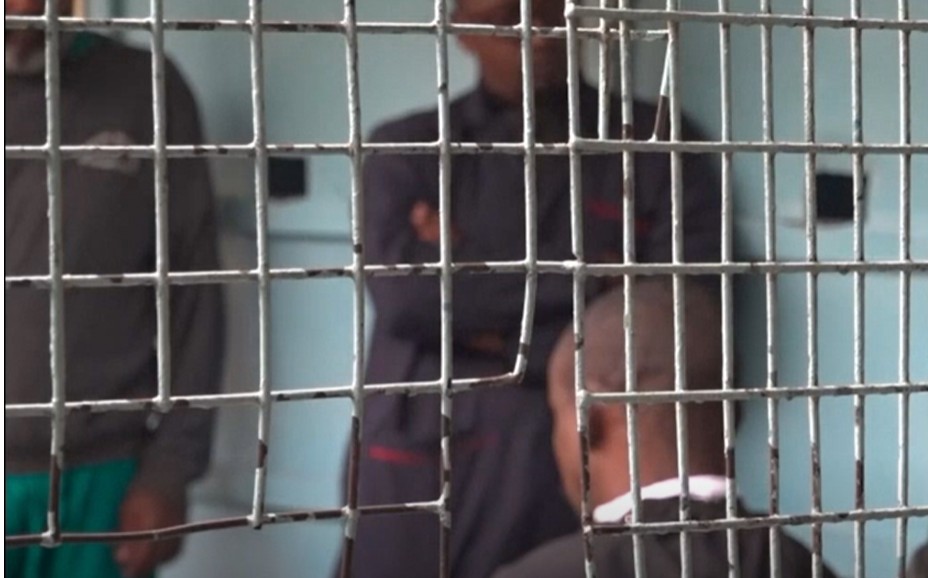
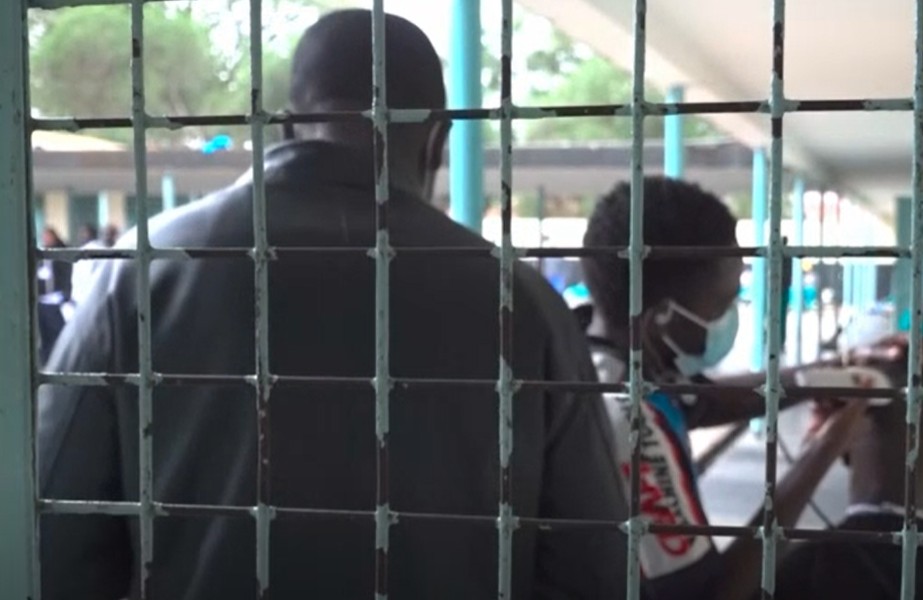
Personalized care becomes part of the recovery journey within Mathare Hospital
Limited data is available in Kenya regarding the prevalence of mental illness. According to the government's 2015 Mental Health Policy, an estimated 251,000 outpatients and 401,000 inpatients across various health facilities suffer from mental health conditions.
Mental health experts say that depression and anxiety are among the most common disorders, while substance use disorders remain a major challenge, particularly among men.
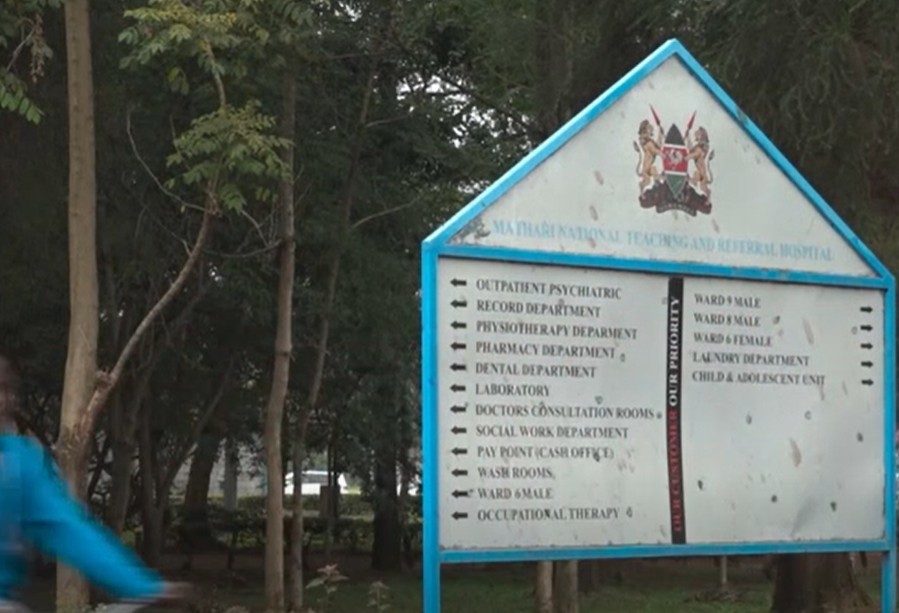
Francis Kabugwa, the nursing officer at Mathare National Teaching and Referral Hospital in Nairobi, encourages men to speak openly about their suffering, rather than resorting to alcohol or other drugs in an attempt to cope.
He said: “Among the signs that you may notice in a person suffering from depressive disorders is that he isolates himself or separates from his family members, and he also begins to neglect supporting his family.”
Sheila Logaliki, founder of Uniquely Gifted, a community organization that provides free personal care services, explained that her personal experience as a former patient in a psychiatric ward was the impetus behind launching this monthly initiative.
She added that she hopes the haircut sessions will help restore the patients' dignity and boost their self-confidence, reminding them that they are valuable people, instead of making them feel neglected.
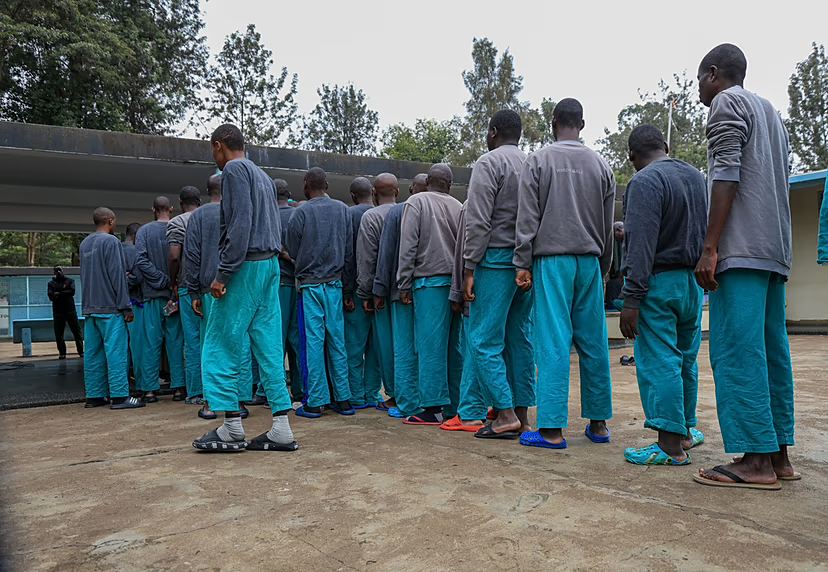
She said: “You might find someone who has been hospitalized for six months, and yet no one has cut their hair. Their appearance doesn’t really reflect how they feel.”
For his part, psychiatric nurse Titus Inko supported this view, stressing that personal care enhances patients' self-esteem and contributes to their recovery and overall well-being.
He said: “Often, we focus only on medication and psychotherapy, and ignore another equally important aspect, which is personal care.
Patients often neglect themselves, failing to bathe or wear appropriate clothing, while personal hygiene is an important indicator of whether a person is in good health or not.”
While the barbers were cutting the patients' beards, one of them summed up the experience in one word, saying that he felt "alive".