Al-Ubayyid is on the brink of disaster... Warnings of a repeat of the genocide scenario in Sudan
Human rights organizations warn of a repeat of the El Fasher scenario amid escalating attacks by the Rapid Support Forces.
Written by: Mohammed Omran
International fears are mounting that El Obeid, the capital of Sudan’s North Kordofan state, could become the scene of large-scale massacres as the Rapid Support Forces advance towards the strategic city, amid warnings from human rights organizations and experts of a repeat of the bloody scenario witnessed in El Fasher.
Warnings of a repeat of the genocide scenario in Sudan
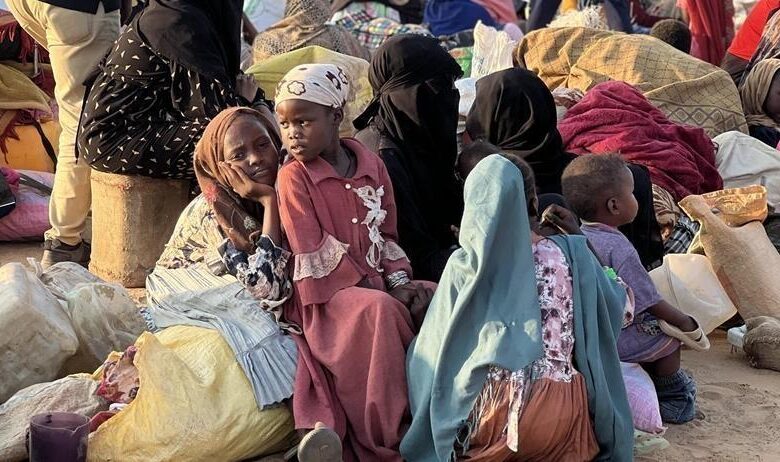
For several months, hundreds of thousands of residents of Al-Abyad have been living under siege, while drone attacks and artillery shelling intensify around the city, leading to a deterioration of the humanitarian situation and disrupting the delivery of aid.

Al-Abyad is a vital center linking central Sudan with the Darfur and Kordofan regions, which gives it great military and strategic importance in the ongoing conflict between the Sudanese army and the Rapid Support Forces since April 2023.
Human rights organizations warn of a repeat of the El Fasher scenario amid escalating attacks by the Rapid Support Forces.
Aid organizations warn that the city could face an imminent humanitarian catastrophe if it is subjected to a large-scale ground attack, at a time when the human rights community recalls what happened in El Fasher, where the UN Independent Fact-Finding Mission documented ethnic killings, widespread sexual violence, and enforced disappearances, considering some of the violations to have the characteristics of genocide.

Kenneth Roth, the former executive director of Human Rights Watch, said there are growing fears that such crimes will be repeated in El Obeid if the Rapid Support Forces manage to take control, noting that civilians, especially those belonging to African ethnic groups, are in direct danger and are not just collateral damage in the fighting.
The United Nations is sounding the alarm as the siege intensifies and fears mount for hundreds of thousands of civilians.
In a joint letter, dozens of international human rights organizations, including Amnesty International and Human Rights Watch, called on the UN Human Rights Council to hold an emergency session to discuss the situation in Sudan, warning that the escalation of military operations around El Obeid threatens widespread crimes against civilians.

The UN High Commissioner for Human Rights, Volker Türk, also warned that any new attack on the city could lead to serious violations of international law, calling on the international community to take urgent action to protect civilians and ensure access for humanitarian aid.
In a related context, the United States announced new sanctions on individuals and companies accused of supplying the parties to the conflict in Sudan with weapons, military equipment, and foreign fighters, in an attempt to curb the escalating violence.

Data from the Armed Conflict Location & Event Data Project (ACLED) indicates that the Rapid Support Forces topped the list of non-state armed groups most deadly to civilians during 2025, after being attributed with killing more than 4,200 civilians, amid warnings that the real number may be much higher due to the difficulty of documenting violations in combat zones.
As the siege continues and military operations escalate, fears are growing that El Obeid will become the latest link in the chain of tragedies in Sudan, while international calls are rising for urgent intervention to prevent a new humanitarian catastrophe.