SliderHealth and beautyEgypt

Egypt promotes integration among African countries in supporting the African health system.

Agreement on the need to establish a mechanism for unified procurement and medical supply

Written by: Mohammed Omran

The head of the General Authority for Healthcare confirmed during the last day of the conference and exhibition «Africa Health ExCon The Deputy Minister of Finance explained that the 2026/2027 fiscal year budget is witnessing the largest increase in health spending allocations, with a growth rate of 30%.

Extensive discussions on investment and financing of the African health sector

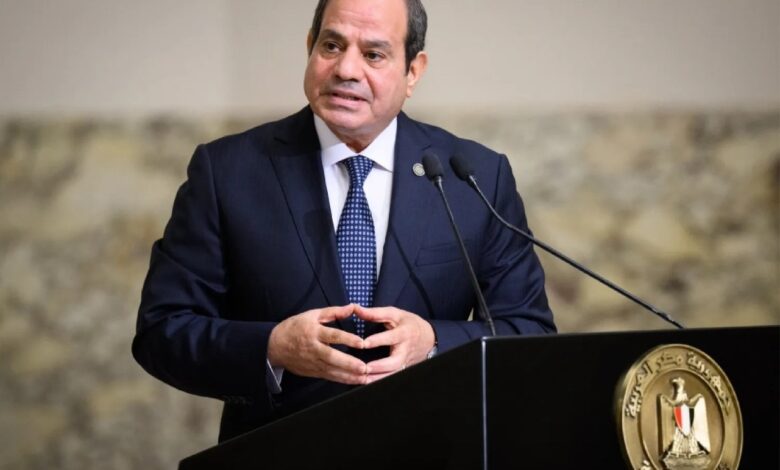
At the conclusion of the African Medical Conference, participants stressed the need to establish an African mechanism for unified procurement and medical supply. They noted that the fifth edition of the «Africa Health ExCon 2026» exhibition and conference is being held under the patronage of President Abdel Fattah El-Sisi, President of the Republic, under the slogan «Health Sovereignty in Africa: Leadership, Resilience, and Self-Reliance,» in cooperation with the Africa Centres for Disease Control and Prevention (Africa CDC), reflecting Egypt’s position as a leading regional hub in supporting and developing the healthcare system on the continent and promoting health integration among African countries.

The high-level international event brings together an elite group of African health ministers and medical sector leaders, along with more than 400 local, regional and global companies, with expectations of more than 45,000 visitors, including experts and decision-makers from around the world.

During the final day's events, the Egyptian Society for Healthcare Supply Chains organized a dialogue session entitled "Therapy Supply Chain: From Crisis to Sovereignty in Africa," in which the session reviewed governmental trends and strategic and legislative efforts aimed at enhancing the efficiency and sustainability of health supply chains, and their role in supporting national and regional health security.

Egypt strengthens its regional role in supporting the African health system.

Dr. Ahmed El-Sobky, Chairman of the General Authority for Healthcare, said that the launch of the African Unified Procurement Mechanism, whose operational headquarters are in Cairo, represents an important strategic opportunity for Egypt to enhance its leading role in the health supply chain sector at the regional and continental levels.

He stressed that securing healthcare is no longer limited to providing medical services only, but has become linked to having an integrated and intelligent system for managing supply chains, which includes securing raw materials, manufacturing, quality assurance, strategic storage, and efficient distribution to hospitals, health units and pharmacies, in order to ensure that treatment reaches the patient in a safe and sustainable manner.

He pointed out that the expansion of the comprehensive health insurance system, and the successes achieved since the launch of the project, necessitate the development of the medical supply system in line with the increase in the number of beneficiaries and the expansion of health coverage, especially with the entry of new governorates into the system.

Al-Subki stressed the importance of preparing future scenarios to confront potential challenges that may affect global supply chains, stressing that Egypt possesses the capabilities that qualify it to be an active partner in formulating international policies and decisions related to securing health supply chains, which contributes to supporting pharmaceutical and health security regionally and internationally.

For his part, Yasser Sobhi, Deputy Minister of Finance, affirmed that the Egyptian state places the health sector and human capital development at the top of its priorities during the current stage, noting that the 2026/2027 fiscal year budget witnesses the largest increase in health spending allocations among the various development sectors, with a growth rate of 30%.

He pointed out that the state has significantly increased allocations for treatment at the state’s expense during the past two years, increasing by 74% to reach 23.5 billion pounds in the new budget, compared to 13.5 billion pounds previously. Spending on medicines also increased to 90 billion pounds, compared to about 49 billion pounds in previous periods.

He pointed out that the state bears the subscriptions of those unable to pay within the comprehensive health insurance system, as the value of the support allocated for this has increased to about 15.7 billion pounds annually, compared to about 5 billion pounds last year.

For her part, Dr. Hala Zayed, the former Minister of Health and Population, said that the African continent still faces recurring challenges in health supply and financing chains despite efforts to enhance drug security and improve procurement and supply mechanisms, stressing that the establishment of the African unified procurement mechanism represents an important step to enhance the ability of African countries to confront health crises.

In the same context, a session was held entitled «Launching the first phase of the automated optimal distribution program for health personnel,» to discuss mechanisms for building an evidence-based national model for planning and distributing medical and nursing staff within health facilities.

The participants emphasized that patient safety is the governing standard for determining the needs of health facilities for doctors and nursing staff.


In the area of health finance and investment, participants in a panel discussion moderated by the United Nations Productive Projects Fund discussed mechanisms to stimulate investments in the African health sector, and the role of the African Health Sovereignty Fund in promoting health self-sufficiency on the continent and attracting the necessary funding to develop health infrastructure and medical industries.

In the area of digital transformation, Modrig organized a session entitled «The Future of Organizational Digital Transformation in Egypt», attended by the company’s founders and regulatory affairs experts. The session discussed the role of digital transformation in developing the pharmaceutical and pharmaceutical products sector, the challenges facing registration offices, and how to deal with thousands of products and customers at the same time with different market requirements.

In the field of diagnostic radiology, a specialized session discussed the latest radiology applications in cardiovascular diseases, breast and prostate tumors, in addition to the guidelines for radiology practice in Egypt, including the use of CT scans to diagnose heart disease, evaluate breast masses, and diagnose prostate tumors.

Another session reviewed the role of radiology in diagnosing sleep-disordered breathing, prospects for research partnerships with African countries, and guidelines for writing scientific research papers.

In the area of prostate cancer, Bayer organized a session that discussed the development of treatment and the future of care, national initiatives for early detection of tumors, and the role of presidential initiatives in improving awareness and early diagnosis.

The African Association for Healthcare and Medicine (AHDA) also organized the third scientific day on the sidelines of the conference, which addressed health sovereignty in Africa, the Pharma Gate digital platform, good governance, and support for education initiatives and quality of health services for African immigrants.

In the field of hearing health, a specialized session discussed the phenomenon of brain drain from Africa and its impact on health and education systems, in addition to developing hearing and early detection services, and enhancing the capabilities of African countries in this field.

In the Autoimmunity and Organ Transplantation session, the latest technologies in the diagnosis and treatment of autoimmune diseases and organ transplantation were discussed, with the participation of a select group of clinical pathology professors, organ transplantation experts, and the World Health Organization.

The vaccine session also highlighted international efforts to achieve the African Union’s goal of increasing the local vaccine manufacturing rate to 60% by 2040, and enhancing the continent’s health and economic security.

In the session on artificial intelligence in neurological disorders, participants discussed the role of artificial intelligence in improving diagnosis and treatment, and accelerating medical decision-making, while reviewing the experience of the Egyptian Stroke Network.

In the session on short stature, participants discussed the role of early intervention in improving children’s outcomes, and linked this to national initiatives for early detection of anemia, obesity and short stature within Egypt’s Vision 2030.

Related Articles

Leave a Reply

Your email address will not be published. Required fields are marked *

Back to top button