The President of Congo honors renowned artist Vali Ibopa
Honoring Congolese artist Vali Ibopa
Written by: Ayman Ragab
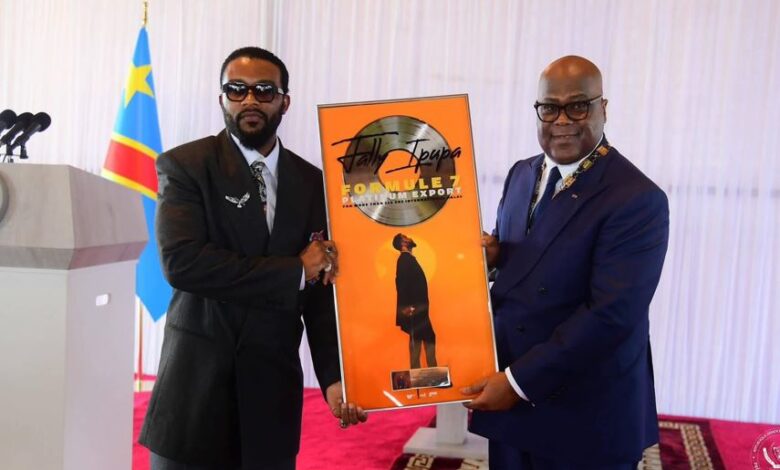
On Saturday, the President of the Republic of Congo, Felix Antoine Tshisekedi Tshilombo, presented an award to the famous Congolese artist, Fali Ibopa Nsimba, who returned to Kinshasa after two consecutive concerts at the legendary Stade de France.
The tribute took place in the African Union City, making him the first French-speaking African artist to take to the stage on the continent.
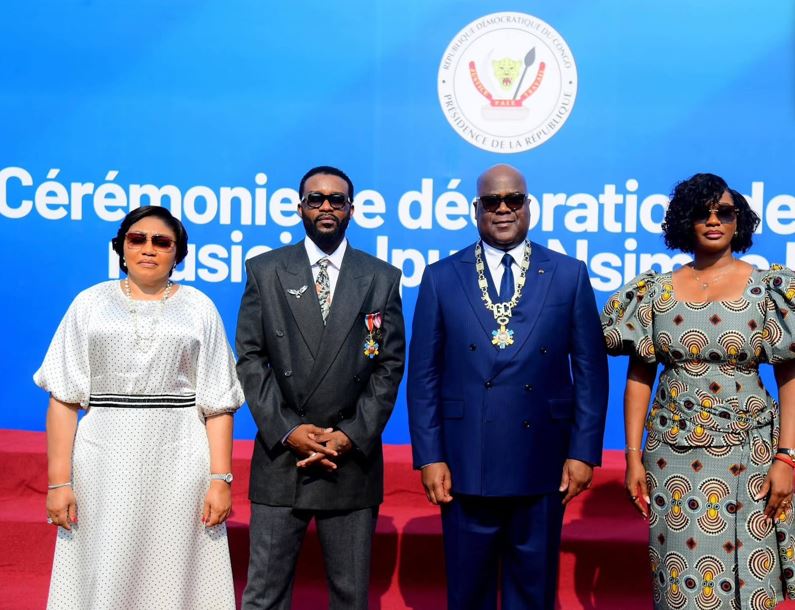
The President of Congo honors renowned artist Vali Ibopa
The President of Congo stressed that this honor not only distinguishes the artist, but also honors his artistic career, his discipline, perseverance, tireless work, distinctive voice, captivating stage presence, and unique ability to convey the Congolese spirit across geographical borders.
President Felix Tshisekedi praised him, saying: “Through your music, a part of Congo spreads, captures hearts, unites, and connects with the world.”.
He added: “Through your music, a part of Congo spreads, captivates hearts, unites, and engages in dialogue with the world.” The President also respectfully welcomed the prominent figures who have established Congolese music on the international stage, including Papa Wemba, Evoloko Joker, Josart Nyuka Lungu, Zaiko Langa Langa, Koffi Olomide, Weerson, JB Mbiana, and Ferry Gola, as well as many other artists who continue, each in their own style, with their own audience, career, and sensibility, to raise the flag of the Republic high.
A republic that values its sons and daughters
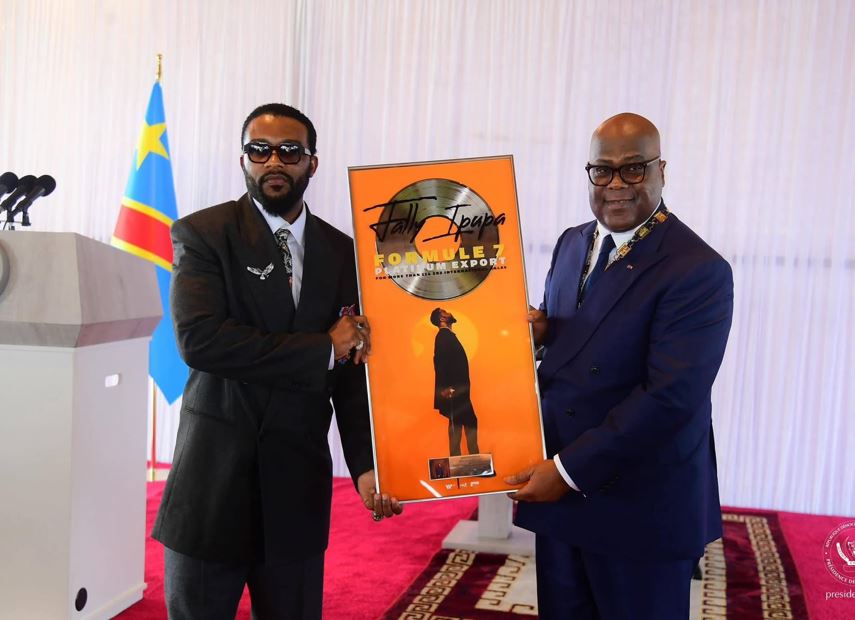
He emphasized his desire to see Congolese artists contribute more to the prosperity of the Democratic Republic of Congo: “This honor does not establish any hierarchy among talents.” It does not close any doors, but rather, on the contrary, it paves the way… the way of a republic that appreciates its sons and daughters when they serve the nation with their distinction, brilliance, and ability to inspire.