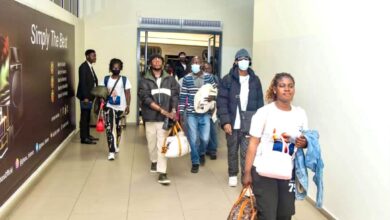
South Africa races against time to repatriate migrants before the deadline for anti-immigration marches.
Ahmed Salem
She finished South Africa More than 15,000 Malawian citizens are in the process of leaving the country, while thousands more are waiting in temporary camps, as authorities work to repatriate foreign nationals before the unofficial June 30 deadline set by citizen-led groups.
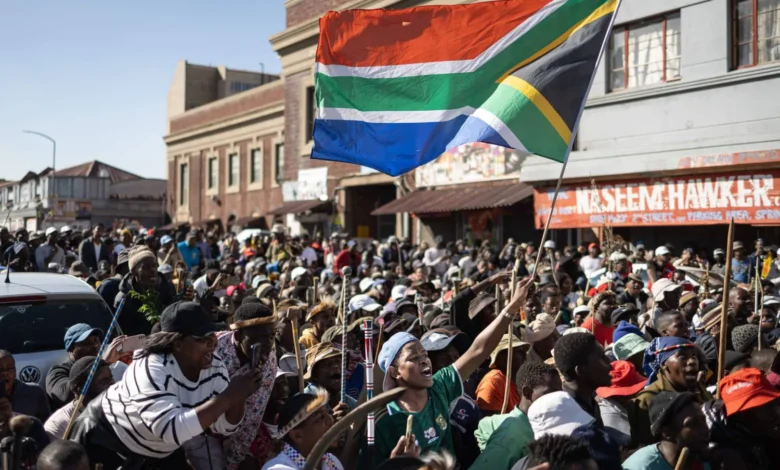
The planned nationwide marches have raised fears of renewed xenophobic violence, following weeks of unrest that have already left several people dead.
Countries including Malawi, Zimbabwe, Mozambique, Nigeria, Ghana, Kenya and the Democratic Republic of Congo are helping their citizens return home voluntarily.
South Africa repatriates 8,000 foreigners in two weeks
At the Beit Bridge border crossing alone, more than 8,200 foreign nationals were repatriated in less than two weeks, including nearly 6,700 Malawian nationals.
South African officials condemned the militia-like violence, warning that civilians cannot enforce immigration laws.
These tensions come just months before local council elections and bring back memories of the bloody racist attacks of 2008 that killed 62 people.
With the marches scheduled for June 30, security forces remain on high alert as the country prepares for what could be another volatile chapter.
South Africa involves royal leaders in addressing migration challenges
In a related context, South African President Cyril Ramaphosa discussed with the country’s kings and queens ways to manage the migration issue and enhance the role of traditional leaders in supporting the government’s efforts to address migration-related challenges, during a meeting held at the Mahlamba Ndlovu Presidential Residence in the capital, Pretoria.
The meeting comes as part of a series of consultations led by the South African government with various social partners and stakeholders, with the aim of building a common vision for dealing with migration issues, in light of growing public concerns about its economic and social effects, and the increasing pace of debate about migration policies in the country.
During the meeting, President Ramaphosa emphasized that royal and traditional leaders play a pivotal role in maintaining societal stability and promoting social cohesion within local communities, stressing the importance of their contribution to raising awareness and supporting government efforts to address migration-related issues within the framework of the law.
Ramaphosa noted that the government is aware of the magnitude of the challenges facing citizens, foremost among them the continued high unemployment rates, the widening scope of poverty, and the economic pressures suffered by many families, stressing that these conditions necessitate working to find balanced solutions that maintain security and stability and respect the rule of law.