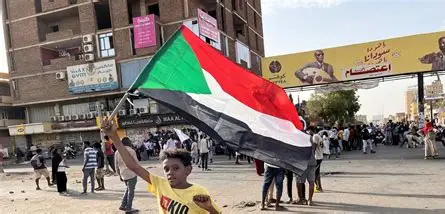
Life is gradually returning to Khartoum, despite Sudanese fears of renewed attacks.
Thousands of families return to the capital amid widespread destruction and severe shortages of services.
Written by: Mohamed Ragab
The Sudanese capital, Khartoum, is witnessing a gradual return to life after the Sudanese army regained control of large parts of it. However, returning residents still face significant challenges due to the destruction left by the war and the continued fears of renewed attacks that could hinder recovery and reconstruction efforts.
It is estimated that more than two million people have returned to Khartoum out of approximately five million who were forced to leave since the outbreak of war in April 2023.
Limited services and destroyed infrastructure
Despite the gradual return of a number of government institutions and markets to work, the capital still suffers from a severe shortage of electricity, water and health services, while damaged buildings and war debris are scattered throughout many neighborhoods.
Authorities confirm that electricity supplies are operating at only a fraction of their capacity due to damage to power stations, while residents face daily difficulties in accessing water and basic services, making the return to normal life slow and complicated.
Returnees: Between hope and anxiety
Many returnees express their happiness at returning to their homes after years of displacement, but this feeling is accompanied by constant anxiety about the possibility of renewed fighting or new attacks on the city, especially with the continued tension in other parts of Sudan.
The difficult conditions faced by refugees in some neighboring countries have also prompted a number of families to return, despite the lack of basic necessities in Khartoum, hoping to rebuild their lives, resume their work, and send their children back to school.
Efforts to restart institutions
Some schools, universities and government departments have begun to gradually resume their work, while shop owners and small businesses are working to reopen their stores, despite the challenges associated with poor services and high operating costs.
Officials believe that reconstruction requires significant investments and international support to repair infrastructure and remove the effects of war, allowing for the return of economic activity and improving the living conditions of the population.
The future of recovery depends on stability.
Observers believe that the return of residents is a positive indicator of the improved security situation in parts of the capital, but it remains contingent on continued stability, a halt to attacks on infrastructure, and the provision of basic services and job opportunities.
Experts emphasize that the success of the recovery process will depend not only on restarting institutions, but also on achieving a comprehensive political settlement that ends the war and provides a safe environment for the return of millions of displaced persons and refugees to their areas.