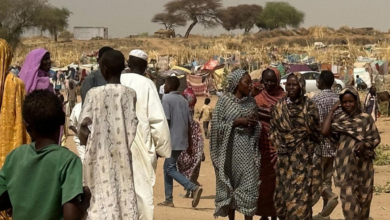
Foreign Minister: Medicine and medical supplies are among the most prominent pillars of Egyptian cooperation with African countries
During his meeting with the head of the Unified Procurement Authority
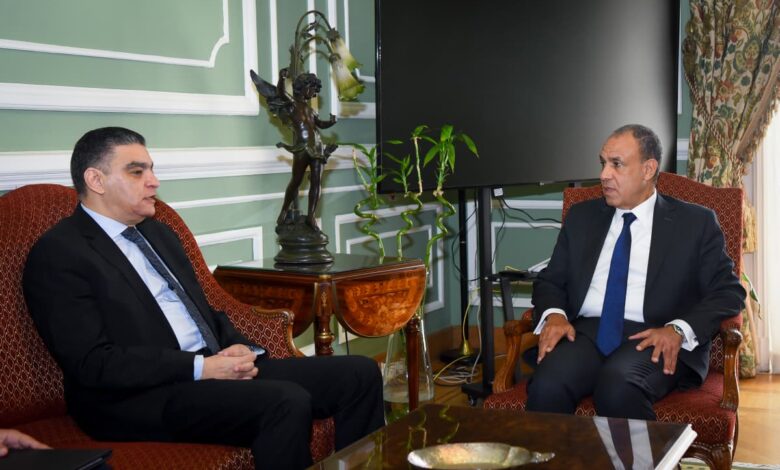
Dr. Badr Abdel-Aty, Minister of Foreign Affairs, International Cooperation and Egyptians Abroad, received today Dr. Hisham Steit, Chairman of the Egyptian Authority for Unified Procurement, Medical Supply and Management of Medical Technology, to discuss ways to enhance joint cooperation in supporting the health security system and expanding access to Egyptian medicines and medical supplies to foreign markets, especially in the African continent.
Minister Abdel-Aati stressed that the pharmaceutical and medical supplies sector represents one of the main pillars for strengthening Egyptian cooperation with African countries, in light of Egypt’s advanced industrial capabilities and regulatory expertise, noting the importance of building on the progress achieved in developing the national pharmaceutical system.
Actual needs of African markets
It also enables African countries to obtain preferential advantages in purchasing medical supplies and medicines, in addition to providing an opportunity to learn about the actual needs of African markets, which supports Egypt’s ability to meet those needs and enhances its role as a regional center for medical and pharmaceutical industries and contributes to achieving regional and continental health security.
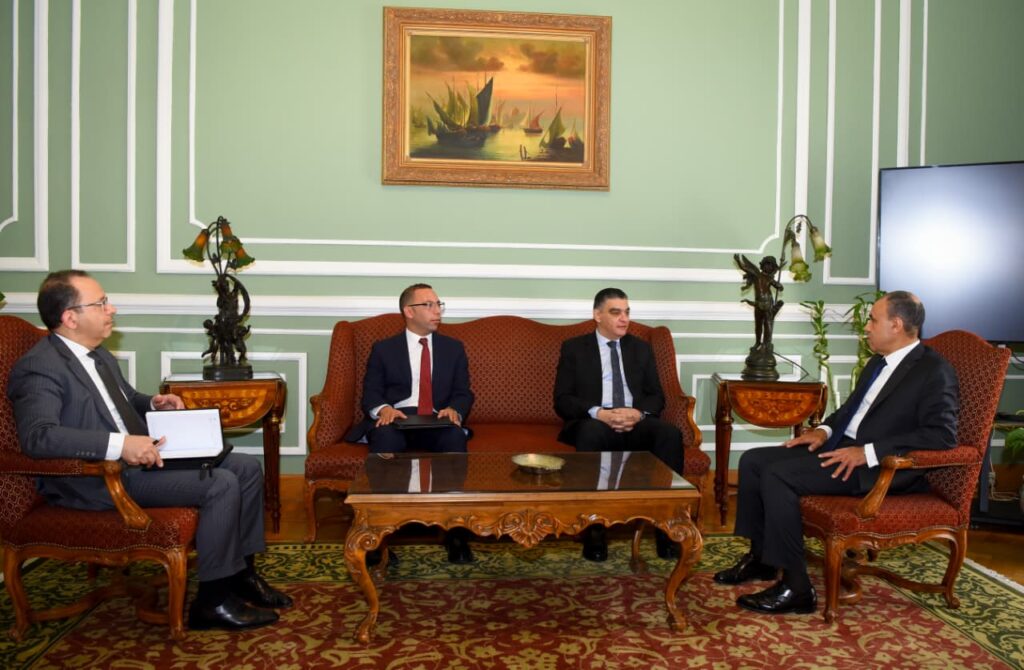
For his part, Dr. Hisham Steit reviewed the Authority's efforts to develop the unified procurement system and enhance the efficiency of medical resource management, as well as supporting the localization of medical industries and strengthening the state's readiness to deal with health crises, noting the keenness to expand areas of cooperation with African partners, in a way that supports achieving common health security.
Collaboration with the Centers for Disease Control and Prevention
The two sides also discussed the importance of continuing to strengthen cooperation with the Africa Centres for Disease Control and Prevention, in support of continental efforts in the areas of epidemic response and strengthening the readiness of health systems, and the ongoing preparations for the next edition of the African Health ExCon, as a pivotal platform to promote partnerships between governments and the private sector, support integration in the fields of medical and pharmaceutical industries at the continental level, as well as promote the exchange of experiences, develop procurement and supply systems, and enhance the ability of African countries to respond to health emergencies.