From cow-jumping to love beads: African wedding rituals amaze the world
Celebrating the beginning of a new life
Written by Omnia Hassan
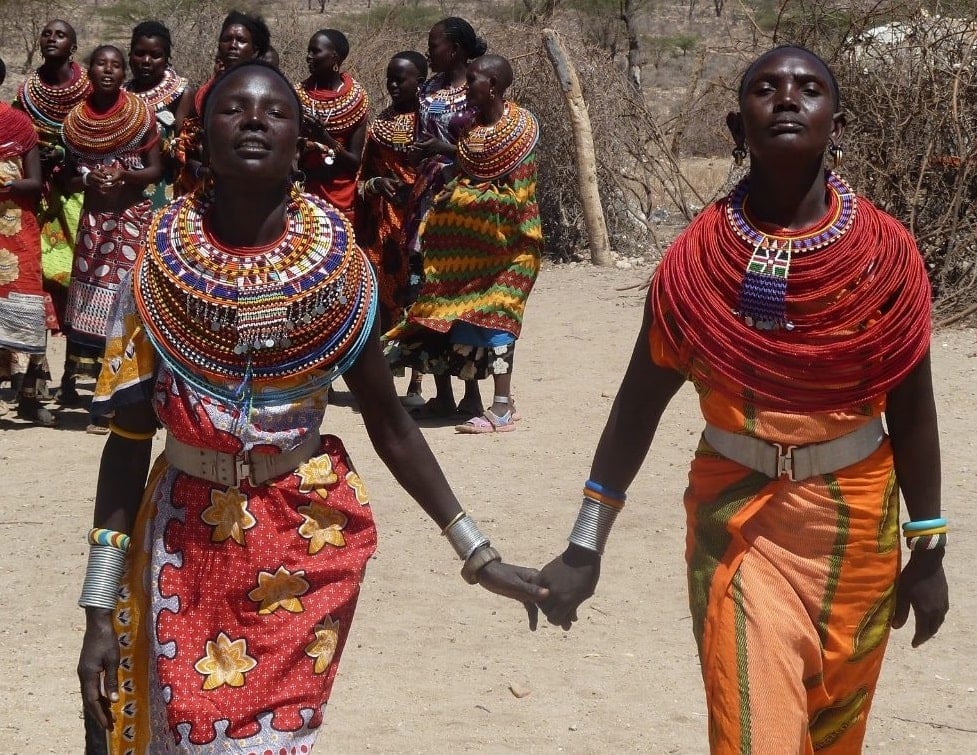
The wedding ceremony in Africa One of the most diverse and culturally rich traditions, reflecting the identity, history, and social values of peoples. While weddings around the world are similar in celebrating the beginning of a new life, some African societies are distinguished by unique rituals passed down through generations for hundreds of years. Below are the most famous wedding rituals in the African continent.
Foal breeding in East Africa
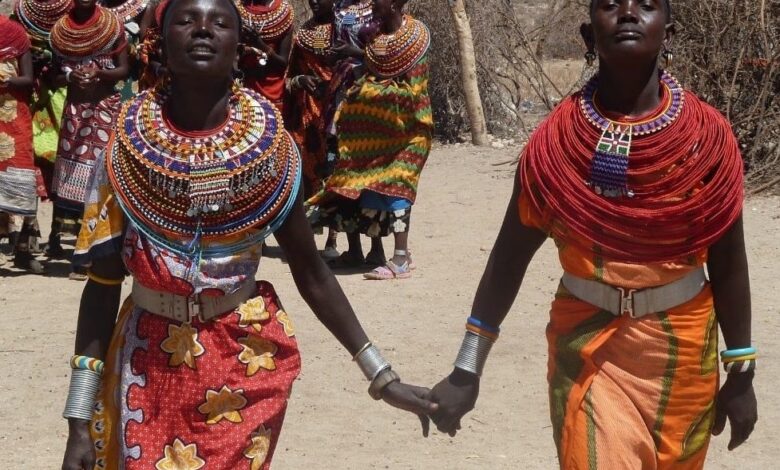
In many pastoral communities in Kenya and Tanzania, the presentation of cows or cattle to the bride’s family is an essential part of the marriage ceremony and is not seen as a “price for the bride,” but rather as a symbol of respect for the family and strengthening ties between the two families.
Hamar jump in Ethiopia
The Hamar tribe in Ethiopia is famous for a unique ritual known as "the leap of the bulls," in which the groom leaps over a row of cows several times to prove his courage and readiness to take on the responsibilities of marriage and family life.
Zulu love beads
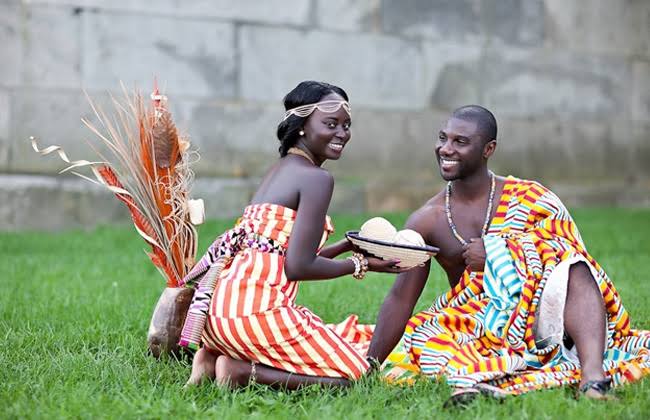
In South Africa, some Zulu communities use colored beads to express feelings and messages related to love and marriage, and the colors and patterns carry special meanings understood by members of the community.
Mass celebration in Ghana
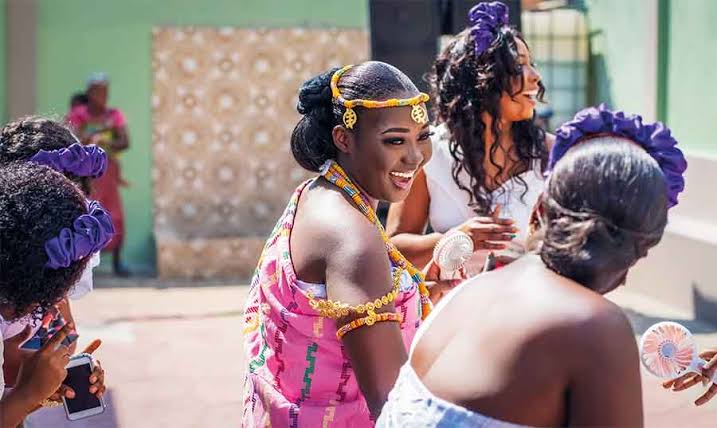
Some tribes in Ghana rely on huge group weddings in which the entire village participates, and the occasion is a social event that promotes solidarity and community belonging.
Henna rituals in North Africa
In countries like Morocco and Algeria, the henna night holds a special place in wedding celebrations, where the bride decorates her hands and feet with designs that symbolize happiness, blessings, and protection.
Traditional dances in Nigeria
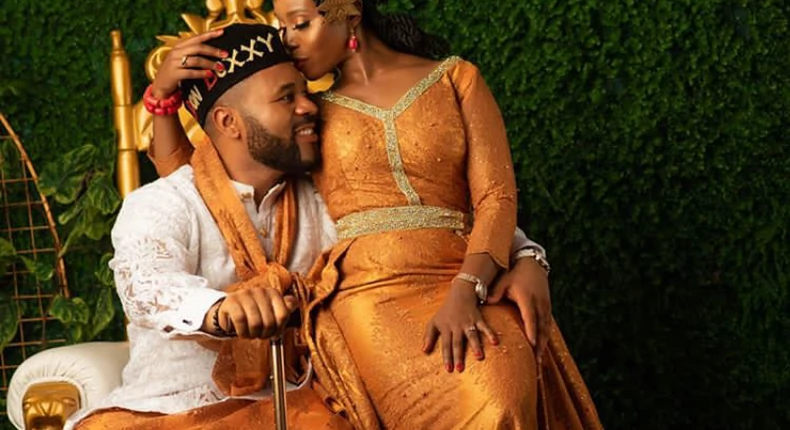
Folk dances are a central part of weddings in Nigeria, with the bride, groom, and guests participating in musical performances and traditional dances that reflect the country's cultural diversity.
A living heritage that expresses the continent's identity
Despite the influence of modernity and globalization, these rituals are still present in many African societies, where they represent more than just wedding celebrations; they are an expression of cultural identity, family ties, and values that African peoples have preserved across generations.
African marriage rituals are not just about celebrating the union of two people, but are also a social and cultural occasion that brings together families and local communities and affirms the values of solidarity and belonging.