Morocco strengthens its health sector in 2026: 15 new hospitals with a capacity of 3,000 beds to open
Developing the health system in Morocco

Minister of Health and Social Protection Amine Tahraoui announced a plan Ambitious To develop the health system in Morocco during 2026, it includes opening 15 new hospitals with a total capacity of up to 3,000 beds, in a step aimed at improving the quality of health services and bringing them closer to citizens.
Significant expansion of health infrastructure
The minister explained, during statements he made in the capital Rabat following a meeting of the Steering Committee for the Reform of the Health System, chaired by Aziz Akhannouch, that these projects come within the framework of a national strategy to strengthen the health supply and achieve a better spatial balance between the various regions of the Kingdom.
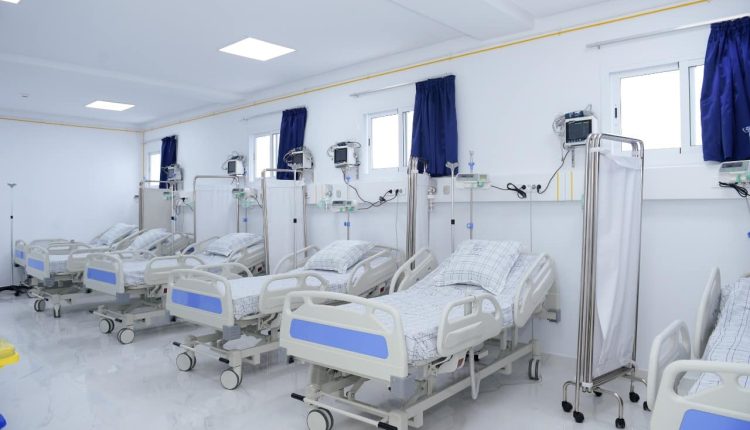
Al-Tahrawi stressed that the government is working to accelerate the pace of completion of major hospital projects, which will contribute to reducing disparities between regions and ensuring that health services reach the largest number of citizens.
Developing primary healthcare
In a related context, the minister pointed to the completion of the program to rehabilitate 1,400 primary health care institutions, in addition to launching a new program to rehabilitate 1,600 health centers, including 500 centers during the year 2026.
This expansion aims to support primary care services, as the first line of defense in the health system, and to improve the quality of services provided to citizens in various regions.
Digital transformation in the health sector
Regarding digital transformation, the minister revealed the launch of a pilot project for the emergency medical assistance system in the Rabat-Salé-Kénitra region, with plans to gradually generalize it to the rest of the regions.
The digitization efforts also include the development of the “Shakaya” health platform, to facilitate communication between citizens and the relevant authorities, and to enable them to submit and track complaints transparently.
Launch of the digital health record
The reform plan also includes launching the shared digital health record, along with generalizing the electronic treatment form, as the minister confirmed that the technical infrastructure for these systems is ready to enter a trial phase, in preparation for its gradual application at the level of the Kingdom.
He noted that the government has also completed the preparation of a unified digital platform that collects data from the public and private sectors, with the assistance of about 250 field researchers to update the data and ensure its accuracy.
Comprehensive and sustainable reform
Al-Tahrawi stressed that the Moroccan government is continuing to complete the necessary legal and regulatory frameworks to implement these reforms, in order to ensure a comprehensive and sustainable transformation in the health sector.
These steps reflect Morocco’s move towards modernizing its health system and enhancing its efficiency, in line with increasing health challenges and future development requirements.