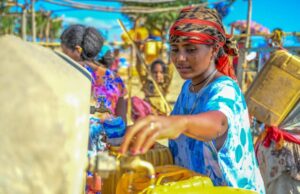
How did "Basket Fund" change the lives of 2.1 million Ethiopians?
International partners support water projects in Ethiopia to promote health
Written by: Mohammed Omran
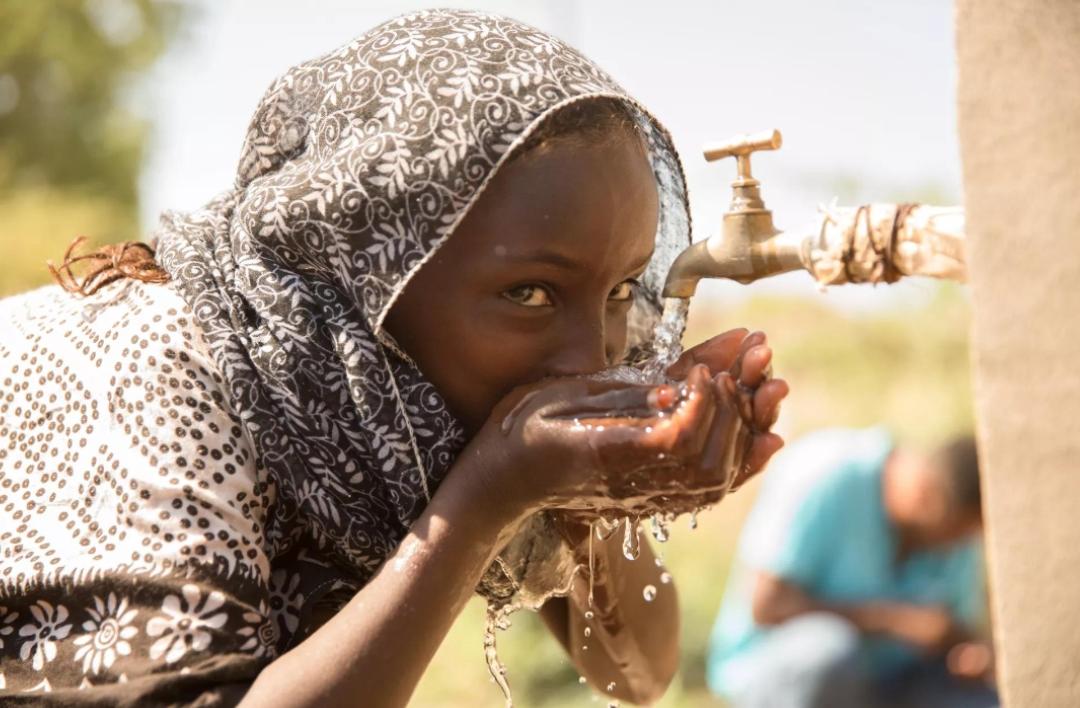
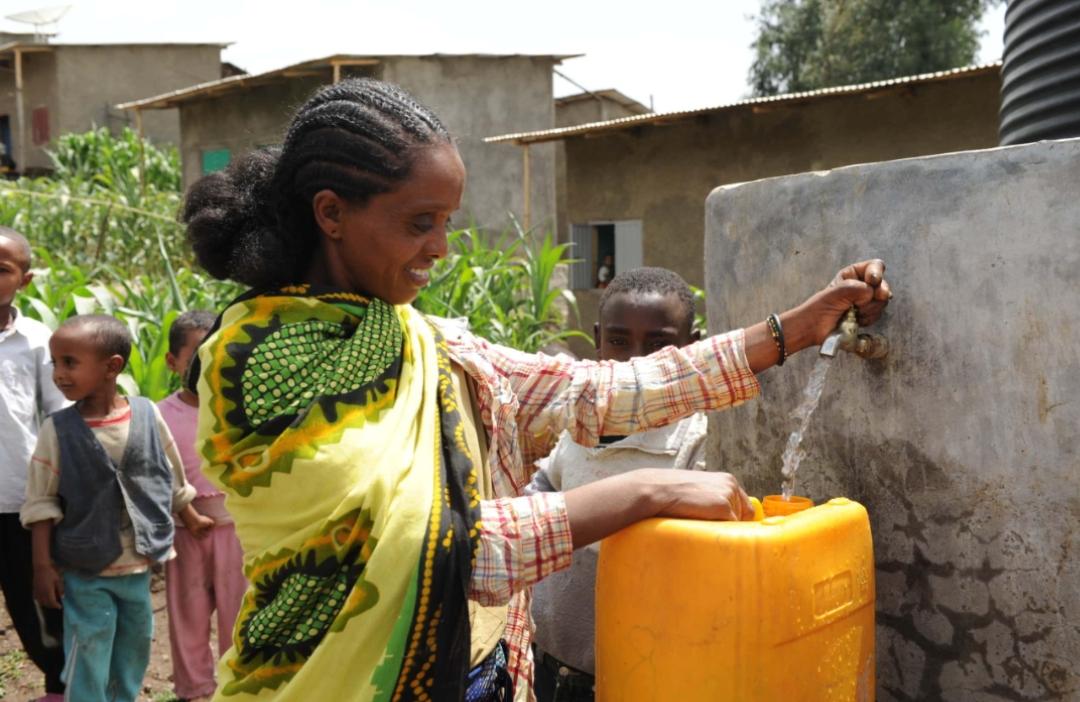
The Ministry of Water and Energy announced Ethiopian The «Basket Fund» program, funded by international partners, has succeeded in enabling 43 cities in seven regions to obtain clean and safe drinking water, benefiting approximately 2.1 million citizens.
International partners support water projects in Ethiopia to promote health
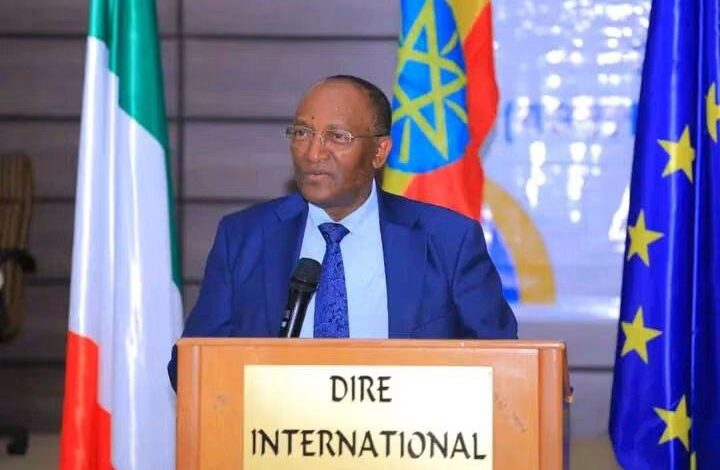
The Minister of State for Water and Sanitation, Ambassador Dr. Asfaw Dingamo, said that the program was launched with the aim of creating sustainable water and sanitation systems in rapidly growing small and medium-sized cities, stressing that the implementation of projects continues despite security challenges and economic pressures.
How did "Basket Fund" change the lives of 2.1 million Ethiopians?
He added that 40 out of 43 projects have been fully put into service, while the remaining three projects are being completed in preparation for their operation soon, noting that providing clean water has contributed to improving public health and living conditions for millions of citizens.
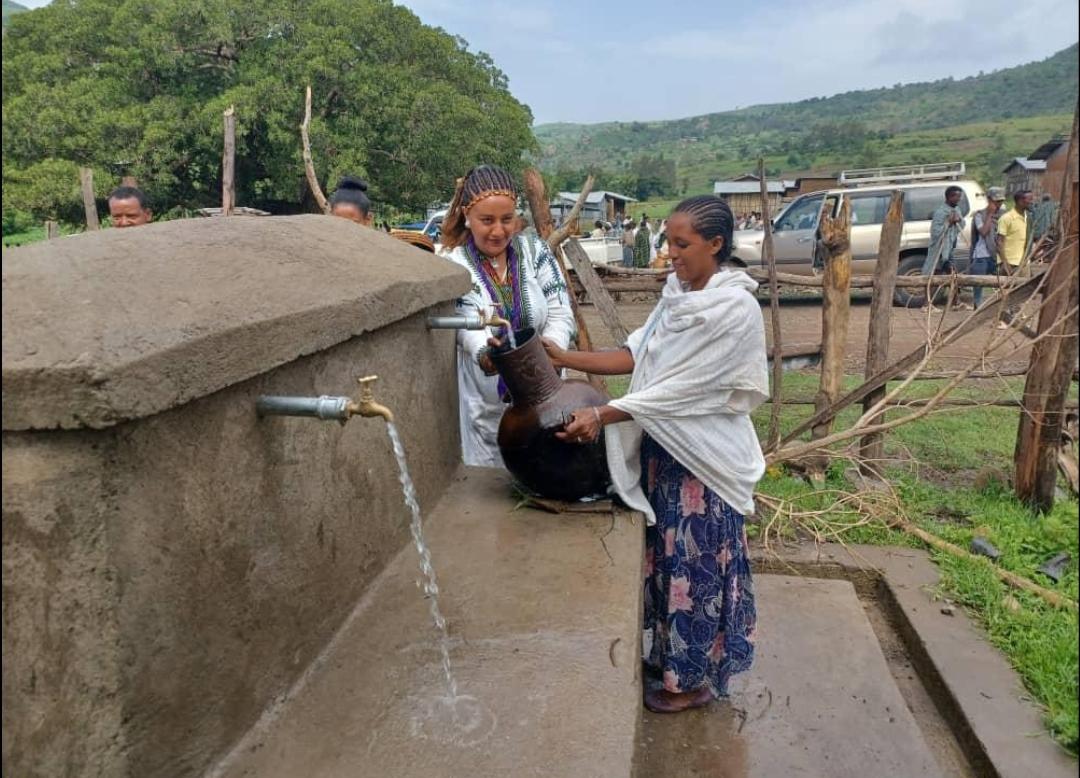
For their part, representatives of the Italian Agency for Development Cooperation (AICS) and the French Development Agency (AFD) praised the partnership with the Ministry of Water and Energy and the efforts made by the regional water offices, stressing the need to continue cooperation to ensure the sustainability of water services and enhance the impact of the development project.