Women's diplomacy in Africa: How did women break into foreign policy decision-making centers?
How have women changed the face of African diplomacy over the last two decades?
Written by: Badr Ahmed
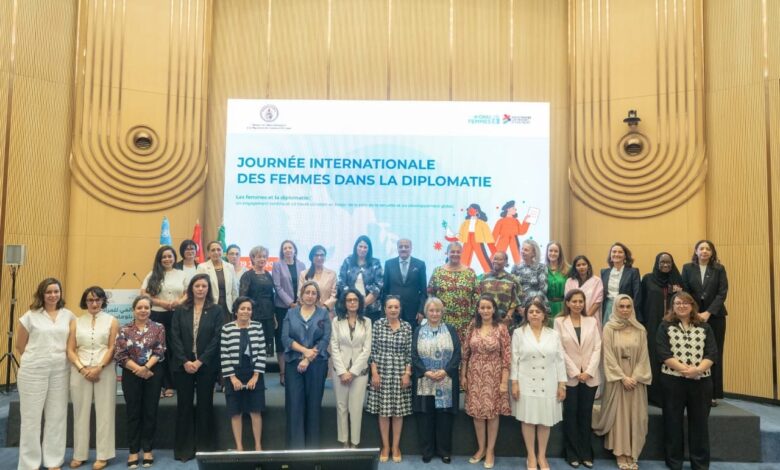
In recent decades, the African continent has witnessed a remarkable transformation in the presence of women within political and diplomatic decision-making institutions, after diplomatic work had remained for decades a field dominated by men. Today, Africa includes a number of prominent female diplomats, ministers, and international envoys who play influential roles in conflict management, peacebuilding, and representing their countries in international forums, in a development that reflects a broader change in the status of women within African societies.
From marginalization to participation
Until the 1980s, women's participation in African foreign ministries was very limited, often confined to administrative or protocol positions. However, the wave of political and democratic reforms that swept through many African countries since the 1990s, along with international pressure to promote gender equality, opened the way for women to reach high-ranking diplomatic positions.
The African Union’s agenda for women’s empowerment, along with United Nations resolutions on women’s participation in peace and security operations, have contributed to pushing African governments towards appointing more women to embassies, foreign ministries, and regional organizations.
Africa leads the world in women's representation
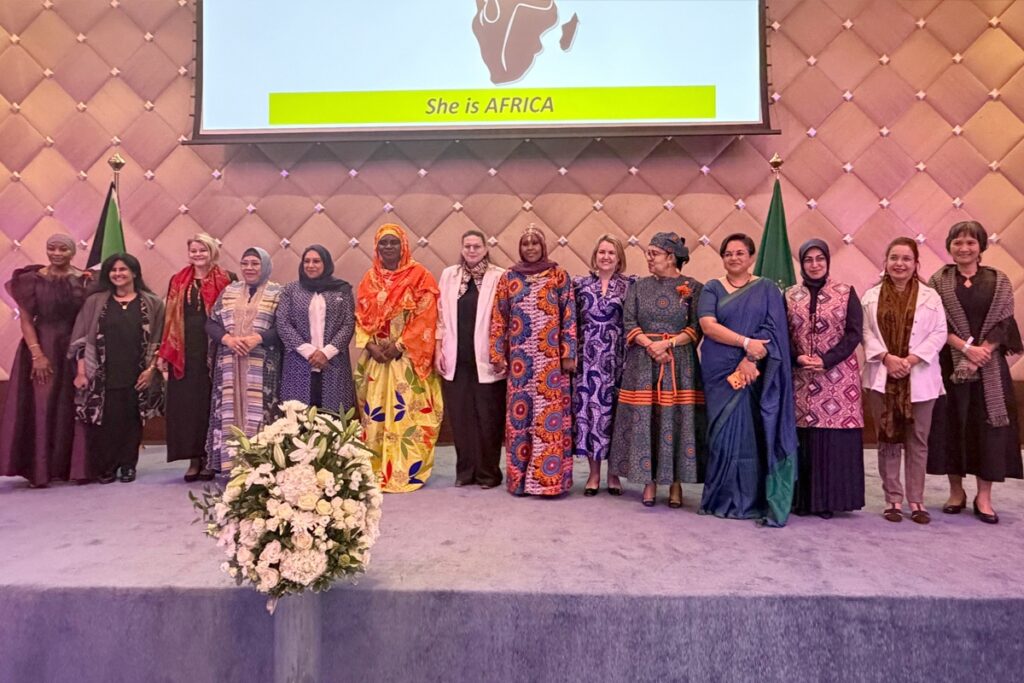
Ironically, some African countries have become among the most advanced globally in women's political representation. Countries like Rwanda, Namibia, South Africa, and Senegal have achieved high rates of women's participation in parliament and government, a trend that has also extended to the diplomatic corps.
African Union reports indicate that the number of women holding the positions of ambassadors, special envoys and foreign ministers on the continent has seen a remarkable increase over the last two decades, compared to previous periods.
Women who made a difference
One of the most prominent female African diplomats is Nkosazana Dlamini-Zuma of South Africa, who became the first woman to head the African Union Commission in 2012, and led the institution through an important period marked by complex political and security crises on the continent.
Amina Mohammed, one of the most influential African figures on the international stage, also stood out, playing prominent roles in sustainable development and institutional reform within the United Nations.
From Rwanda, Louise Mushikiwabo gained widespread fame after taking over the Ministry of Foreign Affairs and then being elected Secretary-General of the International Organization of the Francophonie, becoming one of the most prominent African diplomatic figures globally.
In East Africa, the name of Fatima Mohamed Kyarr has emerged, who has played roles in peace and security matters and regional mediation.
In the field of mediation and conflict resolution, Ellen Johnson Sirleaf is a prominent example, as she was not only the first woman elected as president of an African country, but also participated in regional efforts to promote stability and democracy in West Africa.
Women and peacemaking
Preventive diplomacy and conflict resolution are among the most prominent areas in which African women have demonstrated a strong presence. During crises in countries such as Sudan, South Sudan, Libya, and the Democratic Republic of Congo, African female diplomats and envoys participated in mediation and negotiation efforts between conflicting parties.
Experts believe that women’s participation in peace processes often adds a social and humanitarian dimension to negotiations, and increases the chances of reaching more sustainable agreements, especially when issues relate to displaced persons, women and children and the rebuilding of communities.
Ongoing challenges
Despite the remarkable progress, women's diplomacy in Africa still faces many challenges, most notably traditional social norms in some countries, weak representation of women in senior positions in foreign ministries, and limited training and qualification opportunities compared to their male counterparts.
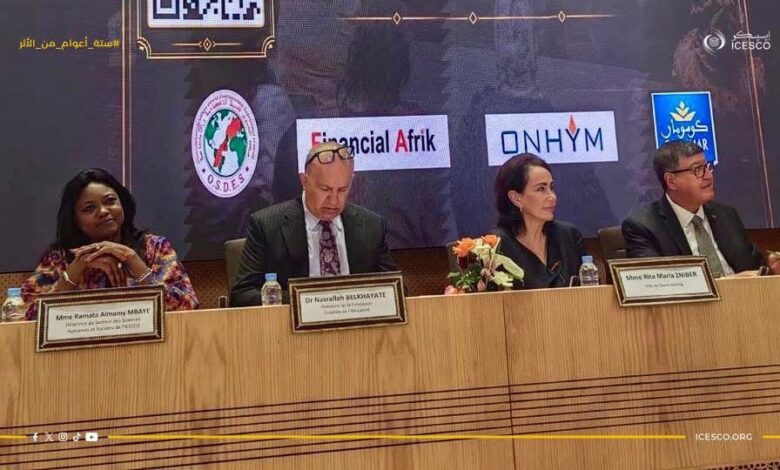
African studies also indicate that women are still underrepresented in strategic security, defense and foreign policy matters, despite gradual improvement in recent years.
A more present future
African diplomacy appears to be entering a new phase, with women playing an unprecedented role. With the expansion of women's empowerment programs, rising education levels, and increasing pressure from regional and international organizations, African women diplomats have become essential to shaping the continent's foreign policy and managing its crises.
Women’s participation in diplomatic work is no longer just a matter of representation or equality, but has become a pillar of African soft power, and an important tool for promoting stability and development and building a more open and modern image of the continent on the international stage.