غضب شعبي من ترحيب الجيش السوداني بالمنشقين عن الدعم السريع
من يحاسب على الجرائم؟
كتب- زياد عبدالفتاح:
تشهد الساحة السودانية تحولات لافتة في مسار الحرب الدائرة منذ أبريل 2023، مع تزايد انشقاقات قيادات بارزة من قوات الدعم السريع وانضمامها إلى صفوف الجيش، في خطوة يرى فيها مراقبون تعزيزاً لموقف القوات المسلحة، بينما تثير في المقابل موجة غضب واسعة بين الضحايا والمتضررين.
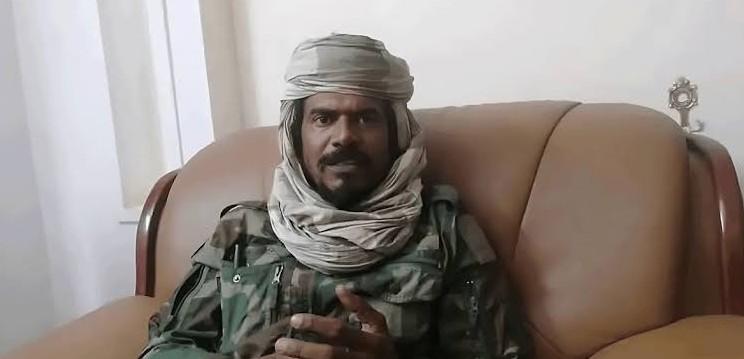
وفي أحدث هذه التطورات، استقبلت السلطات في العاصمة الخرطوم علي رزق الله، أحد قادة قوات الدعم السريع المعروف بلقب “السفانا”، حيث مُنح زياً عسكرياً ورتبة داخل الجيش، بعد سنوات من القتال ضمن صفوف القوات شبه العسكرية.
انشقاقات رفيعة المستوى تعيد تشكيل موازين القوى
ورحبت الحكومة الموالية للجيش بهذه الخطوة، معتبرة إياها جزءاً من سلسلة انشقاقات رفيعة المستوى أعادت تشكيل موازين القوى على الأرض. غير أن هذا الترحيب قوبل بانتقادات حادة من مواطنين ونشطاء، عبّروا عن مخاوفهم من إفلات هؤلاء القادة من المساءلة عن انتهاكات جسيمة يُشتبه في ارتكابها خلال النزاع.
وقالت حليمة إسماعيل، وهي من سكان غرب دارفور، إنها لا تستطيع مسامحة عناصر الدعم السريع، مضيفة أن ما شهدته من أعمال عنف لا يمكن تجاوزه. وروت أنها كانت شاهدة على هجوم مسلح تعرضت له قرية لجأت إليها عام 2024، حيث أطلق مقاتلون النار في الهواء لإرهاب المدنيين.
دارفور أكثر المناطق تضرراً من النزاع
وتُعد إقليم دارفور من أكثر المناطق تضرراً من النزاع، إذ شهدت مدن عدة، بينها الفاشر، موجات عنف دامية، وسط اتهامات لقوات الدعم السريع بارتكاب انتهاكات واسعة، وهو ما تنفيه القوات.
وامتدت تداعيات الحرب إلى مناطق أخرى، حيث أعرب سكان في إقليم كردفان عن استيائهم من منح قادة منشقين مواقع داخل الجيش، رغم اتهامات بنهب ممتلكات خاصة. وقال أحد التجار في مدينة النهود إنه يعتزم رفع دعوى قضائية ضد رزق الله، متهماً وحدات تابعة له بالاستيلاء على بضائع من مخازنه.
في المقابل، دافع بعض القادة المنشقين عن أنفسهم، إذ أكد النور غوبا، وهو قائد سابق في الدعم السريع انضم إلى الجيش، أن أي شخص يثبت تورطه في جرائم يجب أن يخضع للمحاسبة، نافياً أن يكون انشقاقه هروباً من العدالة.
مسألة المحاسبة معقدة
لكن خبراء يرون أن مسألة المحاسبة معقدة في ظل استمرار الحرب. وقال محمد صلاح الدين، عضو منظمة “محامو الطوارئ”، إن التعامل مع هذه القضايا يتطلب إطاراً شاملاً للعدالة الانتقالية، بدلاً من معالجات جزئية.
وفي الوقت الذي تُرفع فيه قضايا ضد متهمين بالتعاون مع قوات الدعم السريع، بعضها انتهى بأحكام بالإعدام، يثير تكريم قادة منشقين تساؤلات حول ازدواجية المعايير في تطبيق العدالة.
ويرى محللون أن الجيش يسعى من خلال استيعاب المنشقين إلى استغلال الانقسامات الداخلية داخل قوات الدعم السريع، خاصة في ظل التوترات القبلية بين مكوناتها، بما قد يسهم في إضعافها ميدانياً.
ومع استمرار الحرب التي أودت بحياة مئات الآلاف وشردت الملايين، تبقى قضية العدالة والمساءلة واحدة من أبرز التحديات التي ستواجه السودان في مرحلة ما بعد النزاع، في ظل جراح عميقة خلفتها سنوات من العنف والانقسام.