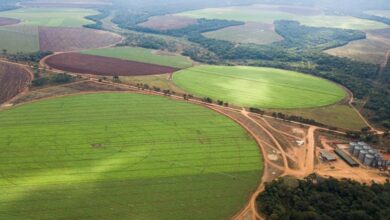
كينيا تستلهم تجربة المراعي السعودية لتطوير قطاع الألبان
وتعزيز الأمن الغذائي
كتب- زياد عبدالفتاح:
أكد موساليا مودافادي، رئيس وزراء كينيا، أن بلاده تسعى إلى الاستفادة من التجارب الدولية الرائدة في تطوير القطاع الزراعي، وفي مقدمتها تجربة شركة «المراعي» السعودية، وذلك في إطار جهودها لتحديث سلسلة القيمة لقطاع الألبان، وتعزيز الأمن الغذائي، وخلق المزيد من فرص العمل.
وأوضح أن الزراعة لا تزال تمثل أحد الأعمدة الرئيسية للاقتصاد الكيني، مشددًا على أن تعزيز الشراكات عبر مختلف حلقات سلسلة القيمة يعد عنصرًا أساسيًا لزيادة الإنتاجية، ورفع دخول المزارعين، وتحقيق التنمية الاقتصادية المستدامة.
المراعي توظف 2470 كيني
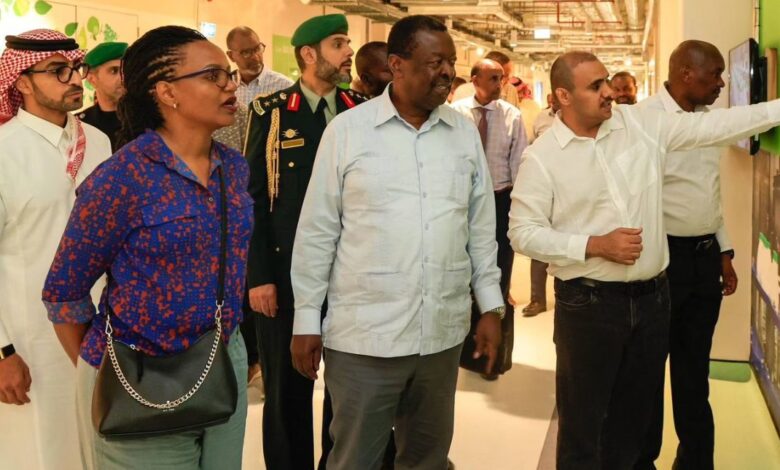
وجاءت هذه التصريحات عقب زيارة أجراها مودافادي إلى شركة «المراعي»، وذلك على هامش المشاورات السياسية بين كينيا والمملكة العربية السعودية، حيث اطلع على تجربة الشركة، التي تُعد أكبر شركة ألبان متكاملة رأسيًا في العالم، وتنتج أكثر من 4.2 مليون لتر من الحليب يوميًا، اعتمادًا على قطيع يضم أكثر من 170 ألف رأس من أبقار «هولشتاين فريزيزيان».
وأشار إلى أن الزيارة وفرت رؤى مهمة حول كيفية توظيف الابتكار والتكنولوجيا والإدارة المتكاملة لسلسلة القيمة في تحويل بيئة صحراوية إلى نموذج عالمي ناجح في الإنتاج الزراعي، بما يعكس أهمية الاستثمار في التقنيات الحديثة لتحقيق التنمية الزراعية المستدامة.
وأشاد رئيس الوزراء الكيني بالدور الذي تؤديه الكفاءات الكينية داخل «المراعي»، لافتًا إلى أن الشركة توظف أكثر من 2470 مواطنًا كينيًا في وظائف إدارية وفنية وتشغيلية، وهو ما يعكس كفاءة الموارد البشرية الكينية وقدرتها على المنافسة في الأسواق الإقليمية والدولية.
وأكد أن التجربة تعزز توجه كينيا نحو تحديث قطاع الألبان من خلال الاستثمار في التكنولوجيا، وتنمية المهارات، وتطوير البنية الإنتاجية، إلى جانب توسيع فرص العمل أمام الكفاءات الكينية في الأسواق الخارجية، بما يسهم في رفع الإنتاجية، وتعزيز الأمن الغذائي، وزيادة الصادرات، ودعم النمو الاقتصادي.