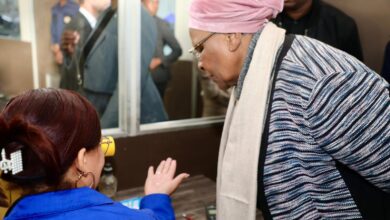
Least competitive: Ethiopia heads towards elections amid escalating security and economic crises
Ethiopia prepares for elections amid political crises
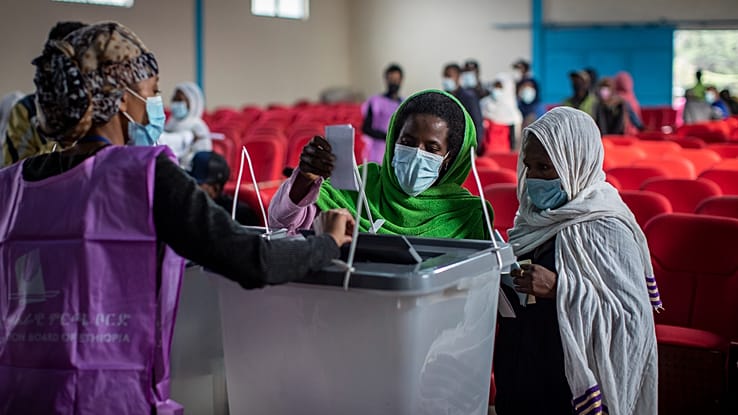
Ethiopia is heading towards holding new general elections on June 1, amid widespread expectations of a victory for Prime Minister Abiy Ahmed and the ruling Prosperity Party, in a political scene that observers describe as among the “least competitive” in the country’s modern history, in light of escalating security crises, internal divisions and economic challenges that are strongly pressuring the electoral scene.
The election comes five years after the previous elections held in 2021, which saw a landslide victory for the Prosperity Party, which won a majority of parliamentary seats. However, those elections were held amidst the bloody war in the Tigray region, which left hundreds of thousands of victims and sparked widespread international criticism regarding human rights and humanitarian conditions.
Accusations of harassment escalate
Although Abiy Ahmed came to power in 2018 as a symbol of reform and political openness, and later won the Nobel Peace Prize following his agreement with Eritrea, recent years have seen escalating accusations against his government of cracking down on the opposition, the media and civil society organizations, in addition to the continuation of armed conflicts in several regions, especially Amhara and Tigray, which cast a shadow over the political climate ahead of the elections.
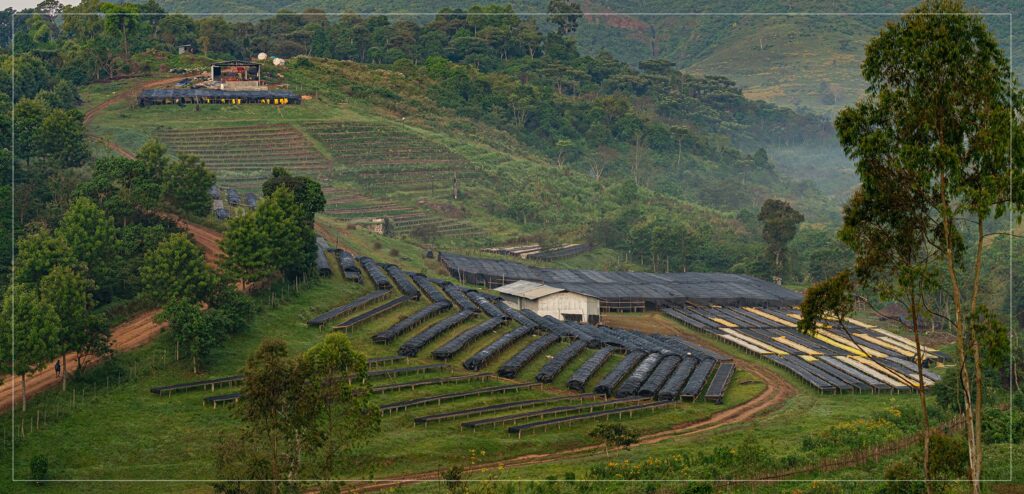
In contrast, the Ethiopian government is trying to promote its economic achievements by implementing gradual reforms aimed at attracting foreign investment and liberalizing the economy, with official expectations of achieving high growth rates during the current year.
However, these aspirations face significant challenges due to rising global energy prices and the effects of regional tensions in the Middle East, especially given Ethiopia's heavy reliance on oil imports.
Analysts believe that the upcoming elections may reflect the continued dominance of the ruling party more than a genuine political competition, given the weakness of the opposition and the declining chances of rival parties to mobilize the Ethiopian public.
International reports have also expressed concerns about the ability of the authorities to organize a comprehensive and fair election in some security-troubled areas, which could affect voter turnout and confidence in the democratic process.
Containing security and political tensions
As the vote approaches, attention remains focused on the Ethiopian government's ability to contain security and political tensions and ensure stable elections in a country facing complex challenges that threaten the path of democratic transition and internal stability in one of the most populous countries on the African continent.