Africa is accelerating its stride towards the global manufacturing race: huge wealth and human resources
Written by: Mohammed Omran
After decades of Asia dominating the global manufacturing map, Africa is beginning to emerge as a new destination for international companies seeking promising markets and lower-cost production sites, amid rising operating costs in some Asian countries and supply chain disruptions that have prompted companies to redistribute their factories around the world.
The African continent is no longer just a source of raw materials used by large factories outside its borders, but has begun to move towards a new stage based on manufacturing and value addition, benefiting from its huge natural resources, its young human force, and its consumer market that includes more than 1.4 billion people.
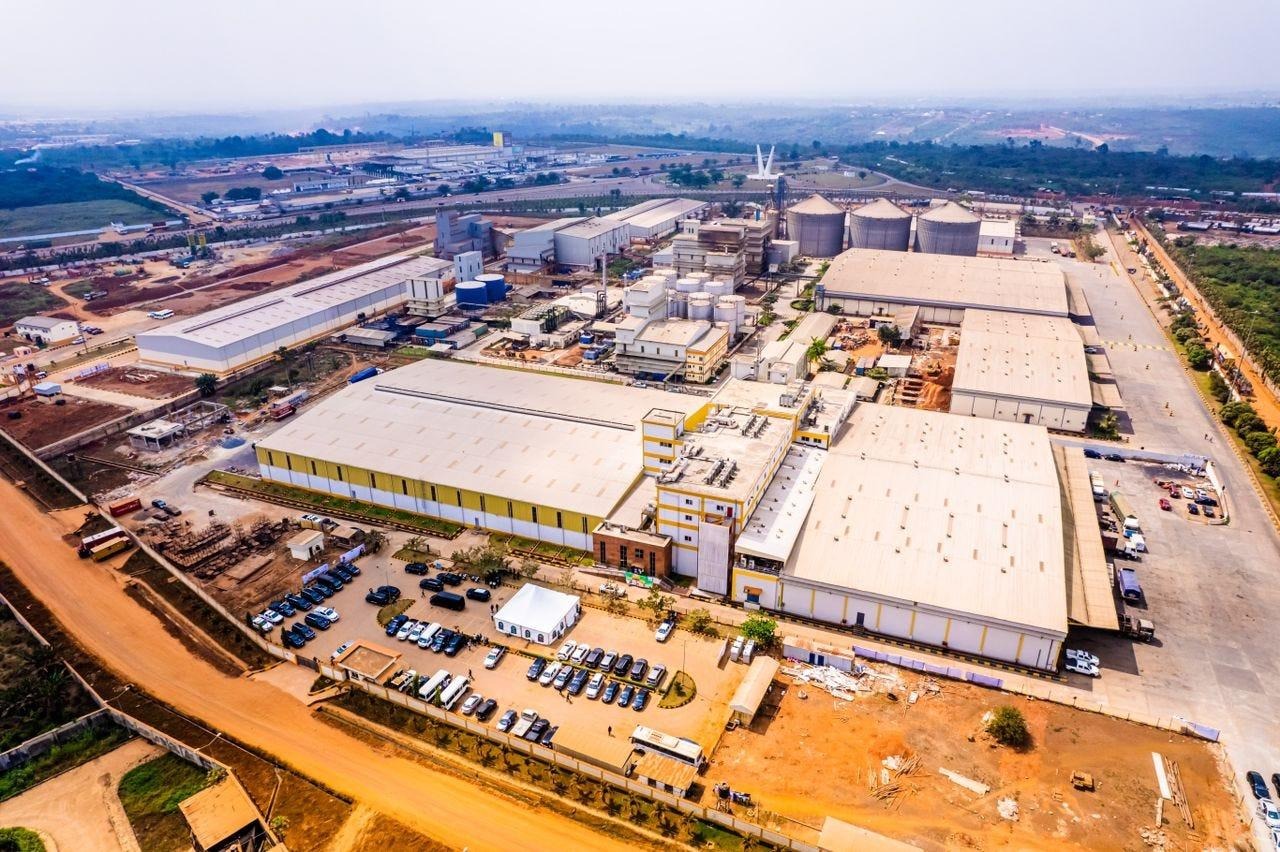
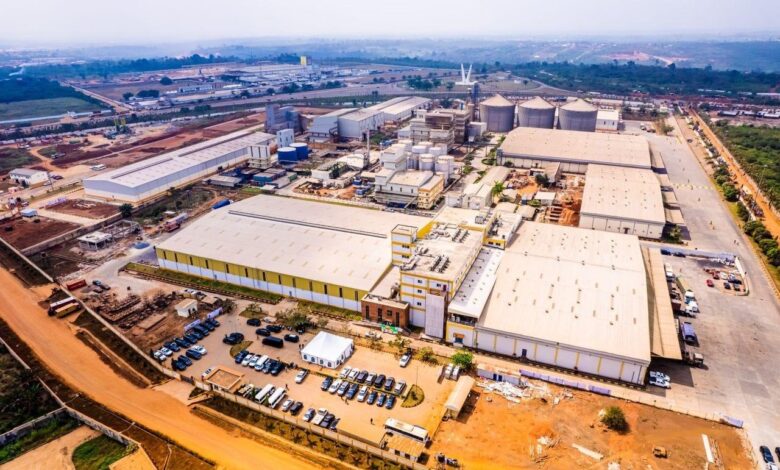
Many African countries are seeking to attract industrial investments by establishing special economic zones and offering incentives to global companies, with the aim of transforming the continent from a consumer market and source of raw materials into a production center that serves local and global markets.
Searching for an alternative to Asian industry
Global economic changes have prompted major companies to seek new manufacturing locations, especially with rising production costs in some traditional markets such as China, making Africa an attractive option due to lower labor costs, the availability of natural resources, and geographical proximity to Europe and the Middle East.
Some global companies are adopting a strategy based on diversifying production locations instead of relying on a single country, which gives African countries an opportunity to attract new factories in sectors such as automobiles, textiles, electronics, and renewable energy.
Natural resources make Africa a hub for industry
Africa has an important advantage in its mineral wealth, as it contains huge reserves of minerals used in modern industries, especially with the increasing global demand for electric car batteries and clean energy.
The continent possesses a large proportion of cobalt, lithium and manganese reserves, minerals that have become a key element in the shift towards a green economy, prompting companies to consider establishing factories close to raw material sources rather than transporting them over long distances.
Morocco: An African model for attracting factories
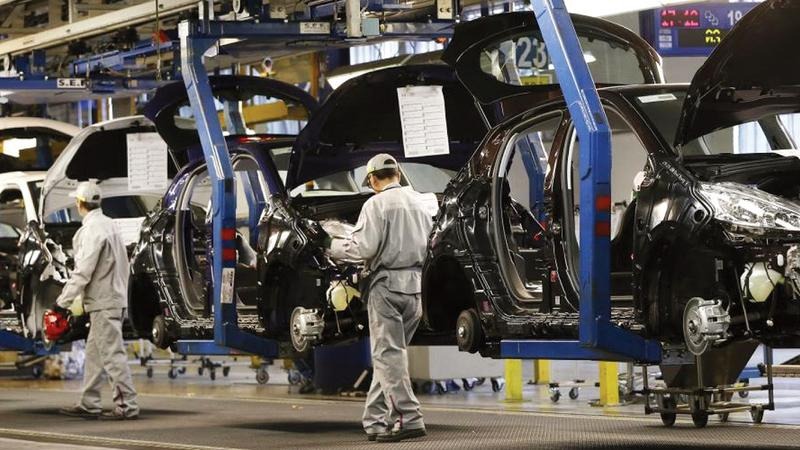
Morocco is one of the most prominent African experiences in attracting industrial investments, as it has succeeded in building a strong base for the automotive and components industry, benefiting from its location close to the European market and its development of infrastructure and ports.
The automotive sector has become one of Morocco’s most important export sectors, and the country is also moving towards strengthening its presence in future industries, especially batteries and clean energy.
Egypt: A strategic location for industry
Egypt possesses the resources to play an important industrial role in the continent, due to its location linking Africa, Europe and Asia, in addition to having a network of ports, industrial zones and a large workforce.
Egypt aims to attract investments in multiple sectors, including engineering industries, electric vehicles, pharmaceuticals, food industries, and renewable energy.
The Suez Canal also gives Egypt an important competitive advantage, as it is one of the most important global trade routes, which facilitates the movement of manufactured products to different markets.
Free Trade Agreement: A Single Market for Africa
The launch of the African Continental Free Trade Area (AfCFTA) represents a major opportunity to support manufacturing, as it aims to create a unified African market of 54 countries, thereby reducing barriers to the movement of goods and investments.
According to the World Bank, the agreement could contribute to increased intra-continental trade and higher investment levels, particularly in the manufacturing and services sectors, with the potential to create millions of jobs in the coming years.
Challenges facing the industrial dream
Despite the great opportunities, Africa still faces challenges that prevent it from rapidly transforming into a global factory, most notably weak infrastructure in some areas, energy shortages, and high transportation costs between African countries.
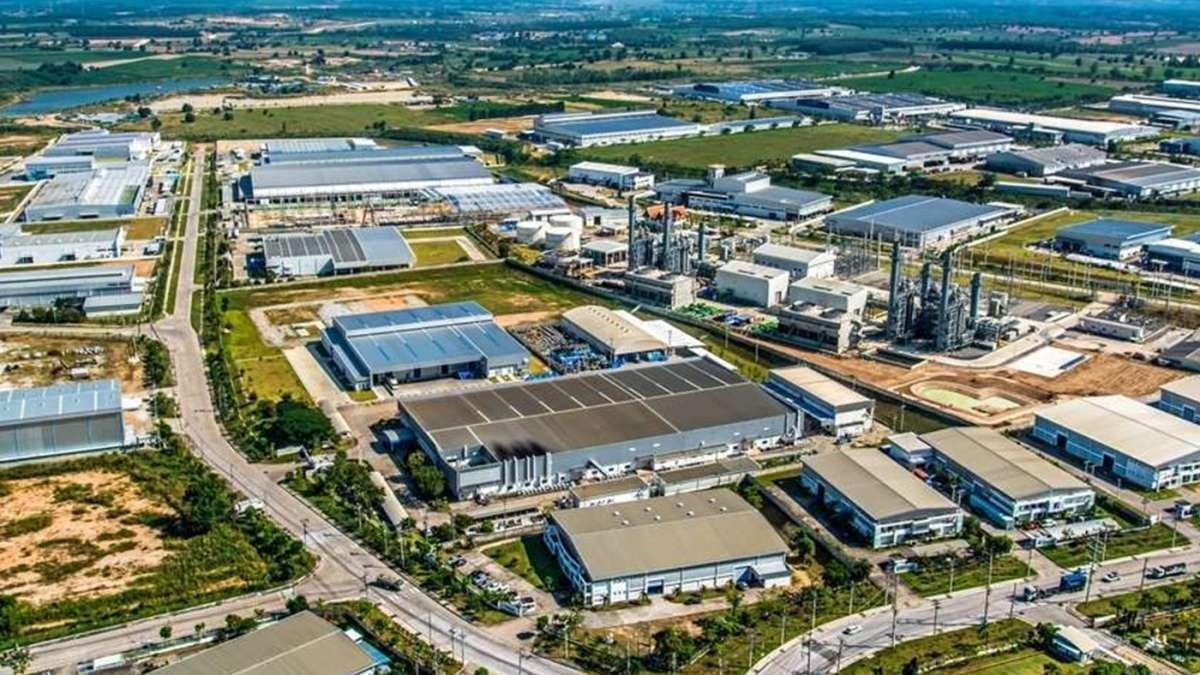
The continent also needs to develop workforce skills and increase investment in education and technology in order to move from simple industries to high value-added industries.
The future: Will Africa compete with Asia?
Economists believe that Africa will not completely replace Asia in the near future, but it has an opportunity to become one of the world's most important new manufacturing centers, especially with the increasing demand for minerals and clean energy and the expansion of African markets.
The continent, which for many years was only a source of raw materials, has begun to enter a new phase in which it seeks to manufacture its resources within its borders and attract global companies to build their factories near the sources of production and future markets.