African Democratic Congress: 70% of Nigerians reject Tinobo's performance after 3 years in power
Deteriorating living conditions for citizens
Written by Mohamed Ragab
The African Democratic Congress (ADC) party asserted that Nigerian President Bola Ahmadu Tinubu has lost the confidence of the majority of citizens, citing the results of a recent national survey which it said reflects the extent of popular discontent with the deteriorating economic conditions, high unemployment rates, and the continuing security challenges in the country.
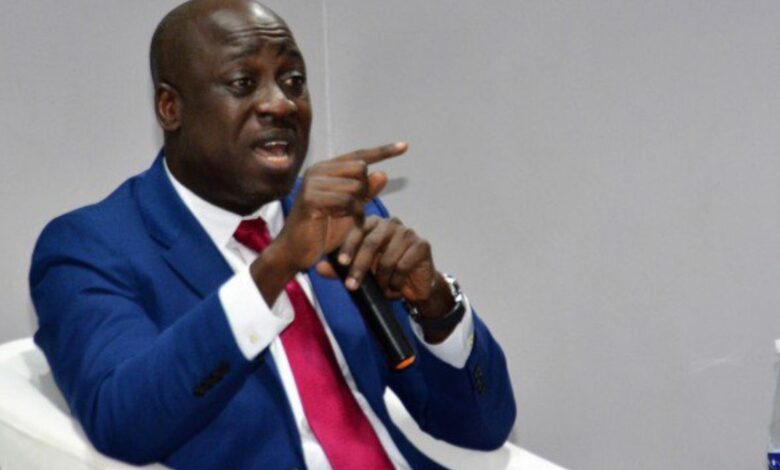
In a strongly worded statement issued by the party's national spokesman, Bolaji Abdullah, the party considered that President Tinubu's approval rating of only 30.2% after three years in power was a clear indication of widespread public rejection of his government's performance.
According to the party, the results of the survey conducted by Eagle Badger Data Analytics showed that 47.5% of Nigerians do not approve of the president’s performance, while millions of citizens believe that their living conditions have deteriorated significantly since May 2023.
Unprecedented suffering for citizens
The statement said that “the results of the recent national assessment, which gave President Bola Ahmad Tinbobo an approval rating of no more than 30%, represent a harsh judgment on an administration that has caused unprecedented suffering for citizens and has failed to manage the economy, create jobs and enhance security.”.
The party added that the figures in the survey reflect the reality that Nigerians experience daily in markets, homes and workplaces, stressing that seven out of ten citizens are either dissatisfied with the government’s performance or unconvinced by the country’s current direction.
The statement explained that approximately 62% of the survey participants confirmed that their economic situation had worsened compared to when Tinobo took power, while only 23.3% said that their living conditions had improved during the same period.
Widening circle of economic pressures
The party noted that 42.4% of citizens described their current situation as “much worse” than it was three years ago, considering that these indicators reflect the widening circle of economic pressures on Nigerian families.
The party accused the government of failing to address the repercussions of inflation and rising food prices, asserting that millions of families are now struggling to meet their basic needs. It also pointed out that transportation costs and the operating expenses of small businesses have increased significantly, leading to the closure of many businesses and a decline in job opportunities for young people.

The statement added that food prices have increased by more than 90% since May 2023, while general prices have increased by about 80% during the same period, considering that the macroeconomic indicators that the government celebrates do not reflect the living reality of citizens.
On the security front, the party criticized the government’s performance in addressing security challenges, noting the continued threat posed by armed groups, criminal gangs, and kidnappers to a number of local communities, which limits farmers’ access to their lands and negatively impacts economic activity and agricultural production.
The party stressed that three years since the current administration took power makes it fully responsible for the current situation, adding that it is no longer possible to hold previous governments responsible for the current crises.
The party concluded its statement by emphasizing that the survey results represent an important political message ahead of the 2027 elections, stressing that Nigerians are looking forward to a leadership capable of improving living standards, enhancing security, and providing better economic opportunities for young people, considering that the president’s current approval rating reflects the magnitude of the challenges facing his government in the next phase.